TRENDING

Friday, 23 October 2026
----------------------
12 Jumada Al-Awwal 1448 AH
A potential peace memorandum between the US and Iran could be signed on June 14 in Geneva, but the terms of the deal remain uncertain, and tensions remain high around the Strait of Hormuz.
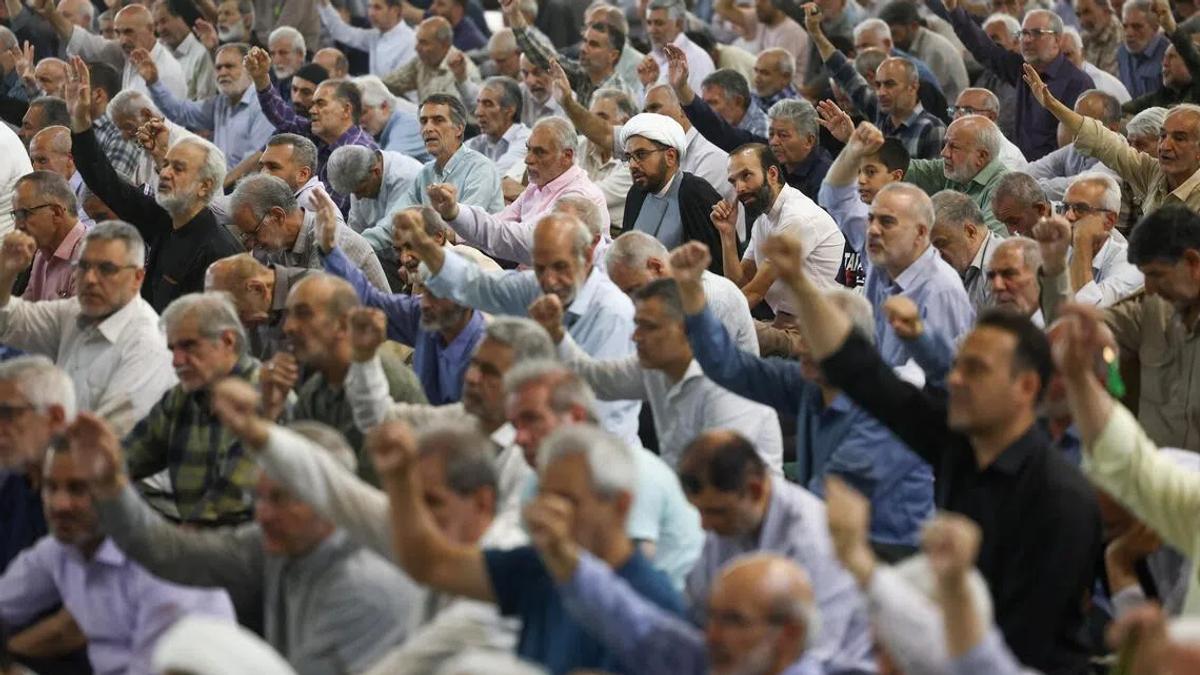
The US and Iran are on the cusp of a historic peace memorandum, with Geneva emerging as the likely venue for the signing ceremony on June 14. The draft deal, as described by Iranian officials, appears to offer Tehran much of what it has demanded so far, including the waiving of US sanctions, unfreezing of billions of dollars in Iranian assets, and a halt to Israeli attacks on Lebanon.
The US, under President Trump, has been seeking to ensure that Iran never develops a nuclear weapon. However, the current draft deal seems to prioritize Iranian demands over American interests. The waiving of sanctions and unfreezing of assets are essential Iranian demands, while the US appears to gain little in return, beyond the reopening of the Strait of Hormuz. Iran's state media has denied conceding control over the strait, highlighting the ongoing tensions between the two nations.
The conflict between the US and Iran began on February 28 with US and Israeli strikes on Iran, which marked the start of a particularly tense few days of escalation. Throughout the war, President Trump has made similar declarations that a deal was at hand, only for no deal to emerge. This time, however, markets have taken comfort in Trump's latest words, signaling the end of a particularly tense few days of escalation.
The conflict has become a political headache for the White House, with polls showing Trump's approval ratings sinking amid voter anger over high petrol prices. Some Republicans have openly worried that the war's unpopularity could cost them control of Congress in November's midterm elections. The curbs on fighting in Lebanon could be difficult to accept for Israel, which started the war alongside the US in February but has not been included in peace negotiations.
The potential peace memorandum has significant implications for the region and the world at large. If signed, it could lead to a significant reduction in tensions between the US and Iran, potentially paving the way for future cooperation on issues such as nuclear non-proliferation and regional security. However, the deal's uncertain terms and the ongoing tensions around the Strait of Hormuz mean that the road ahead remains fraught with challenges.
The US-Iran peace memorandum is a complex and delicate dance of power, with both sides seeking to advance their interests while avoiding a catastrophic conflict. As the world waits with bated breath for the signing ceremony on June 14, one thing is clear: the stakes are high, and the consequences of failure would be severe.
Source referenced: STRAITSTIMES
This brief was synthesized by our Editorial Engine and reviewed by The Ground Narrative team.