TRENDING

Monday, 26 October 2026
----------------------
15 Jumada Al-Awwal 1448 AH
The United States and Iran have engaged in renewed military strikes, threatening regional stability, even as back-channel negotiations continue for a preliminary deal to release frozen Iranian funds. This paradoxical blend of conflict and diplomacy underscores a high-stakes geopolitical struggle for leverage and economic relief.
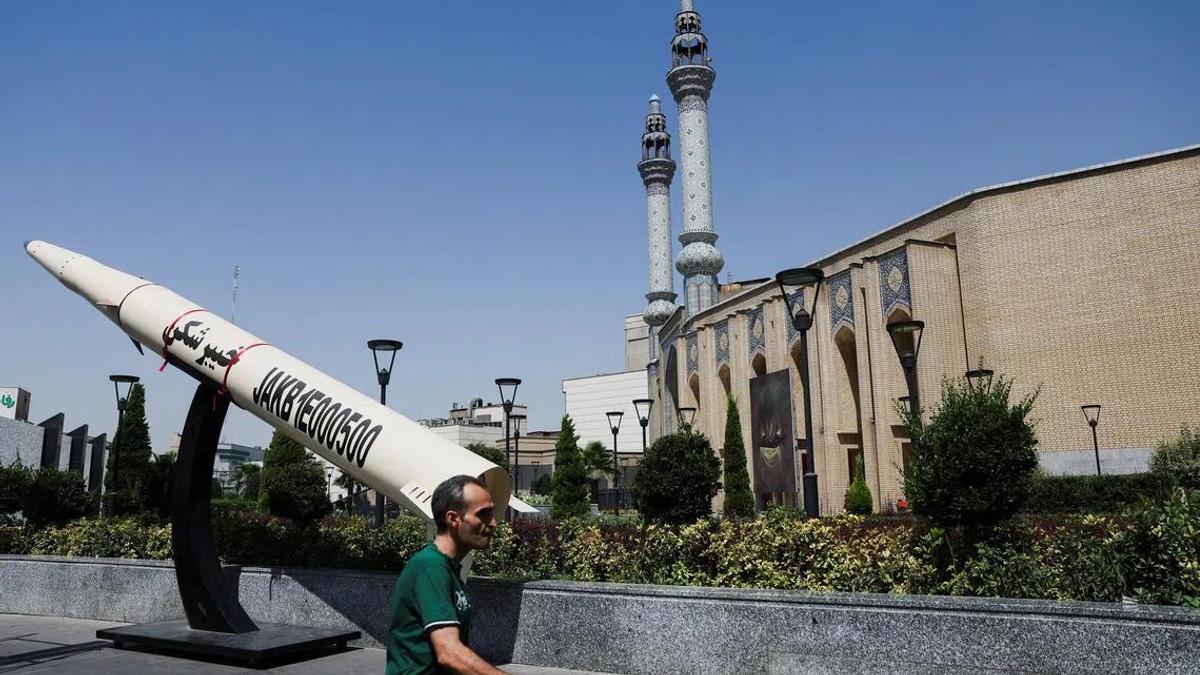
The geopolitical landscape of the Middle East remains fraught with tension as the United States and Iran engaged in a new round of military strikes on June 11, 2026. This escalation occurred paradoxically alongside ongoing back-channel negotiations aimed at securing a preliminary agreement. The simultaneous application of military pressure and diplomatic overtures underscores a complex and high-stakes struggle for leverage between Washington and Tehran, with significant implications for regional stability and global energy markets.
The latest exchange of hostilities saw the United States launch strikes against Iranian surveillance, communications, and air defense facilities, as confirmed by US Central Command (CENTCOM). These actions were framed as a response to Iran's "unwarranted and continued aggression." In retaliation, Iran's Revolutionary Guards announced a "punitive operation" targeting a US base in Jordan, with Gulf states like Kuwait and Bahrain also reporting incoming fire and minor casualties. Jordan claimed to have intercepted 20 Iranian missiles, highlighting the regional spread of the conflict. Iran's Foreign Ministry declared that the US strikes had effectively nullified a previous ceasefire established on April 8, 2026, warning of "highly dangerous consequences."
Despite this overt military confrontation, diplomatic efforts persist. Mediators, primarily Pakistan and Qatar, have been facilitating indirect communications between Washington and Tehran. A Qatari delegation was reportedly in Tehran for talks even as the strikes unfolded, with discussions described as "conducted in coordination with the United States." These negotiations are focused on a preliminary deal, specifically a mechanism for the release of billions of dollars in frozen Iranian funds held in foreign banks. Iran is reportedly seeking the release of $6 billion to $12 billion, while the US prefers a phased release tied to humanitarian goods, rejecting an outright return of funds. For Iran's clerical establishment, securing these assets and halting the war is seen as crucial for economic "breathing space."
The dual approach of conflict and negotiation reveals the strategic motivations of both parties. For the United States, under President Donald Trump, military action appears to be a tool of coercive diplomacy. Trump's public threats, including vows to hit Iran "very hard" and seize control of its oil and gas infrastructure, such as Kharg Island, signal a clear intent to compel Iranian concessions. Pentagon chief Pete Hegseth's statement, "we'll negotiate with bombs," further illustrates this strategy, aiming to increase pressure on Tehran to accept US terms for ending the conflict.
Iran, in turn, uses its military capabilities and strategic geographic position to counter US pressure and enhance its bargaining power. The renewed threat to close the Strait of Hormuz, a critical choke point for global oil and gas shipments, is a potent example. Iranian officials, including Majid Mousavi of the Guards' aerospace force, explicitly warned of making the region "hell" if the strait's safety was compromised. While CENTCOM denied the strait's closure, Iranian state media reported the Persian Gulf Strait Authority had declared it "closed until further notice," indicating a clear intent to disrupt maritime traffic and exert economic leverage. The reported attack on a commercial vessel off Oman, resulting in the deaths of three Indian sailors, further underscores the risks to international shipping in the region.
The escalating tensions have drawn significant concern from regional and international actors. Saudi Arabia, a long-standing regional rival of Iran and a US ally, called for continued mediation efforts. China, a major global power and the largest buyer of Iranian oil, also urged an immediate cessation of military operations and a commitment to negotiations for a "comprehensive and lasting ceasefire." India, directly impacted by the attack on its commercial vessel, summoned a top US diplomat to lodge a "strong protest," highlighting the broader risks of the conflict to international commerce and non-combatant nations.
The current situation represents a precarious balance. While both sides engage in military posturing and direct confrontation, the persistence of diplomatic channels suggests a mutual, albeit reluctant, recognition that a full-scale military conflict would be catastrophic. The core challenge lies in bridging the significant gap in their demands, particularly regarding the release of frozen funds and the broader terms for de-escalation. The outcome of these high-stakes negotiations, conducted under the shadow of ongoing military strikes, will profoundly shape the future trajectory of US-Iran relations and the stability of the wider Middle East. The potential for miscalculation remains high, making the diplomatic efforts all the more critical.
Source referenced: STRAITSTIMES
This brief was synthesized by our Editorial Engine and reviewed by The Ground Narrative team.