TRENDING

Friday, 16 October 2026
----------------------
5 Jumada Al-Awwal 1448 AH
The US withdrawal from Nigeria's joint counterterrorism operation marks a significant shift in the US Africa strategy, prioritizing specialized training and support for African-led operations over large troop deployments.
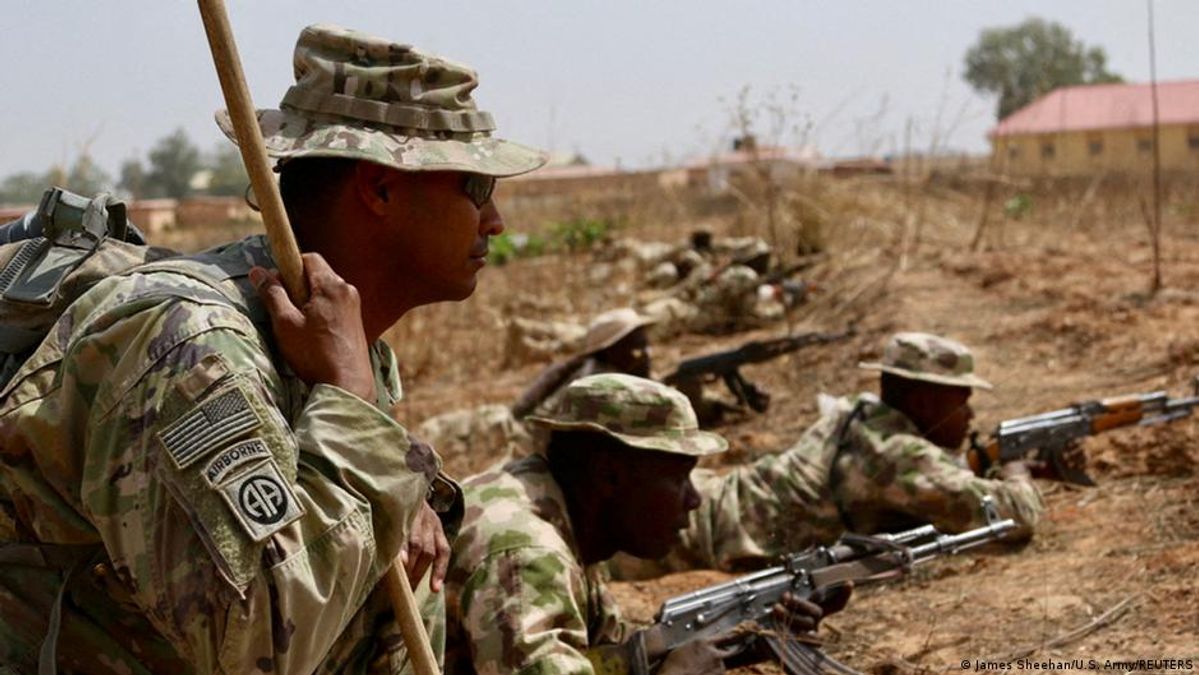
The recent withdrawal of most US troops from Nigeria's joint counterterrorism operation marks a significant shift in the US Africa strategy. This development has sparked intense debate among analysts and experts, with some viewing it as a retreat and others seeing it as a strategic recalibration. To understand the implications of this shift, it is essential to examine the historical context, regional dynamics, and the evolving nature of the US Africa strategy.
The US Africa Command's (AFRICOM) involvement in Nigeria's counterterrorism efforts dates back to 2015, when the US deployed troops to support the Nigerian military in its fight against Boko Haram. The partnership has since evolved, with the US providing specialized training, intelligence, and logistics support to Nigerian forces. The joint operation in northeastern Nigeria, which led to the killing of Abu Bilal al-Minuki, a senior Islamic State leader, and the elimination of 175 fighters, demonstrates the effectiveness of this partnership.
The Sahel region, which spans across West Africa, has become a hotspot for terrorist activity. The spread of jihadist groups across the region has created a complex security landscape, with African countries struggling to cope with the threat. The US Africa strategy shift acknowledges the limitations of traditional military approaches and the need for a more nuanced approach that prioritizes partnership and capacity-building.
The US Africa strategy shift is part of a broader effort to redefine the US role in Africa. The Trump administration's emphasis on burden sharing and the need for African partners to take ownership of their security challenges has led to a reevaluation of the US approach. The withdrawal of most US troops from Nigeria's joint counterterrorism operation marks a significant departure from the traditional US approach of deploying large numbers of troops to African countries.
The US Africa strategy shift has significant implications for counterterrorism and regional stability. By prioritizing specialized training and support for African-led operations, the US is acknowledging the limitations of traditional military approaches and the need for a more nuanced approach that addresses the root causes of terrorism. This shift also recognizes the importance of partnership and capacity-building in African countries, which are critical to addressing the complex security challenges in the region.
The US Africa strategy shift has far-reaching consequences for the region and the global community. The withdrawal of US troops from Nigeria's joint counterterrorism operation may be seen as a retreat by some, but it is more likely a strategic recalibration that prioritizes partnership and capacity-building. The implications of this shift will be felt across the region, with African countries struggling to cope with the threat of terrorism. The US Africa strategy shift also has significant implications for the global community, as it sets a precedent for a more nuanced approach to counterterrorism and regional stability.
The US Africa strategy shift marks a significant departure from the traditional US approach to counterterrorism and regional stability. By prioritizing specialized training and support for African-led operations, the US is acknowledging the limitations of traditional military approaches and the need for a more nuanced approach that addresses the root causes of terrorism. This shift has significant implications for the region and the global community, and it sets a precedent for a more collaborative and capacity-building approach to counterterrorism and regional stability.
Editor's Note: The analysis is based on publicly available information and expert opinions, and it is subject to the limitations of available data and the complexity of the issue.
Source referenced: DW
This brief was synthesized by our Editorial Engine and reviewed by The Ground Narrative team.