TRENDING

Friday, 16 October 2026
----------------------
5 Jumada Al-Awwal 1448 AH
As the US-Iran cease-fire falters, the fate of Kurdish regions in Iran and Iraq remains uncertain. Will a renewed settlement include these areas, or will they continue to be targeted by Iranian forces?
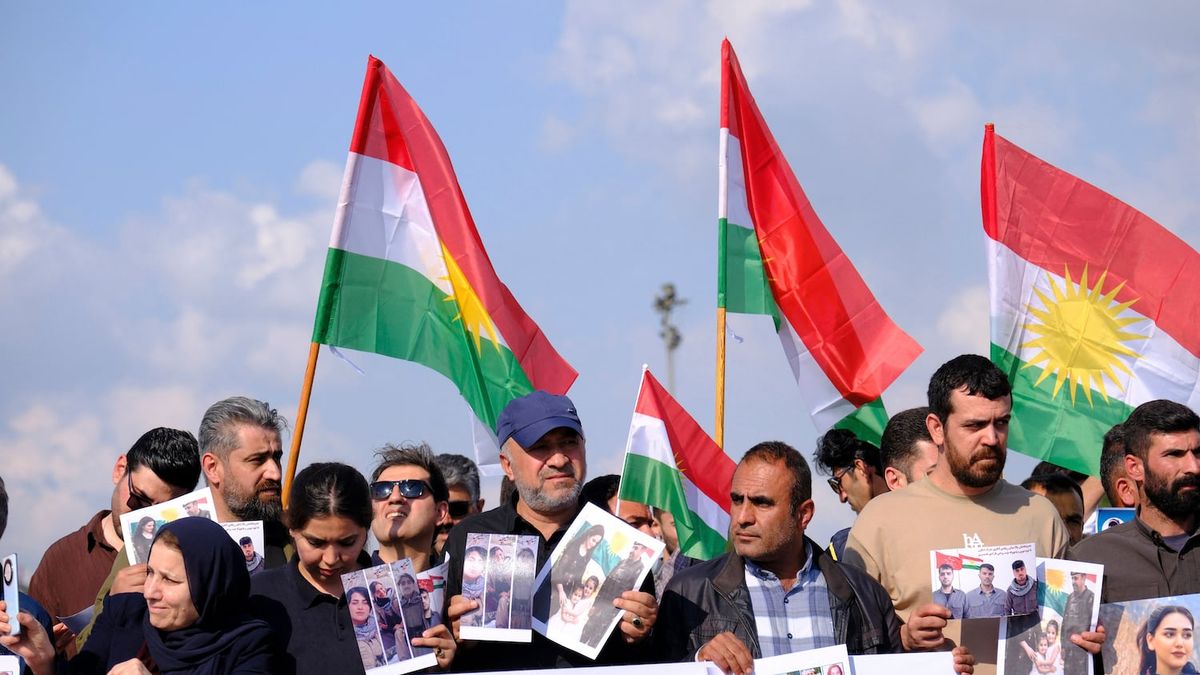
The recent US-Iran cease-fire has brought attention to the ongoing conflict in the Gulf, but a critical aspect of the situation has been overlooked: the continued attacks on Kurdish regions in Iran and Iraq. Despite the nominal truce, Iranian forces have continued to target Kurdish groups, raising questions about the inclusion of these areas in a potential renewed settlement.
The Iranian regime has long restricted Kurdish political rights and security forces have used heavy-handed tactics to enforce these regulations. The 2022 death of Jina Mahsa Amini, a 22-year-old Kurdish woman, sparked widespread protests, which were brutally suppressed by the Iranian authorities. The regime has also signed a security agreement with Iraq to disarm Iranian Kurdish groups and restrict their activities.
Iran's targeting of Kurdish groups appears to be driven by a desire to eliminate perceived threats to its national security. The regime views these groups as a major threat, precisely because they could take up arms in response to Iranian actions. The IRGC has stated that any action to make the northwest borders insecure will be met with a decisive and regrettable response.
The continued attacks on Kurdish regions have significant implications for regional stability. The Kurdistan Region has suffered at least 751 attacks during the three months following the start of the Iran war, resulting in 22 deaths and 112 injuries. The attacks have also raised concerns about the potential for conflict to continue in Iraqi Kurdistan, targeting Iranian groups that operate from Iraqi territory.
The exclusion of Kurdish regions from a potential renewed settlement could have far-reaching consequences. It may reinforce a sense among Kurds that they do not benefit from agreements between larger powers, exacerbating existing tensions. The Trump administration's perceived betrayal of Kurdish allies in Syria has already left a lasting impact on Kurdish consciousness.
A renewed settlement that includes Kurdish regions is essential to address the ongoing conflict and promote regional stability. The US and Iran must work together to ensure that these areas are protected and that the rights of Kurdish groups are respected. The international community must also play a role in promoting a peaceful resolution to the conflict and supporting the Kurdistan Region in its efforts to maintain stability.
The fate of Kurdish regions in Iran and Iraq remains uncertain, but one thing is clear: a renewed settlement that excludes these areas would be a strategic blind spot for the US and Iran. The continued attacks on Kurdish groups have significant implications for regional stability and the exclusion of these areas could have far-reaching consequences. It is essential that the US and Iran work together to address this critical aspect of the conflict and promote a peaceful resolution to the situation.
Editor's Note: The analysis is based on available information and may not reflect the full complexity of the situation.
Source referenced: FOREIGNPOLICY
This brief was synthesized by our Editorial Engine and reviewed by The Ground Narrative team.