TRENDING

Tuesday, 13 October 2026
----------------------
2 Jumada Al-Awwal 1448 AH
A prominent anti-war Russian politician, Boris Nadezhdin, alleges the Kremlin is actively obstructing his parliamentary election campaign through 'foreign agent' designation and police questioning. This development underscores the tightening grip on dissent within Russia, particularly concerning criticism of the ongoing conflict in Ukraine.
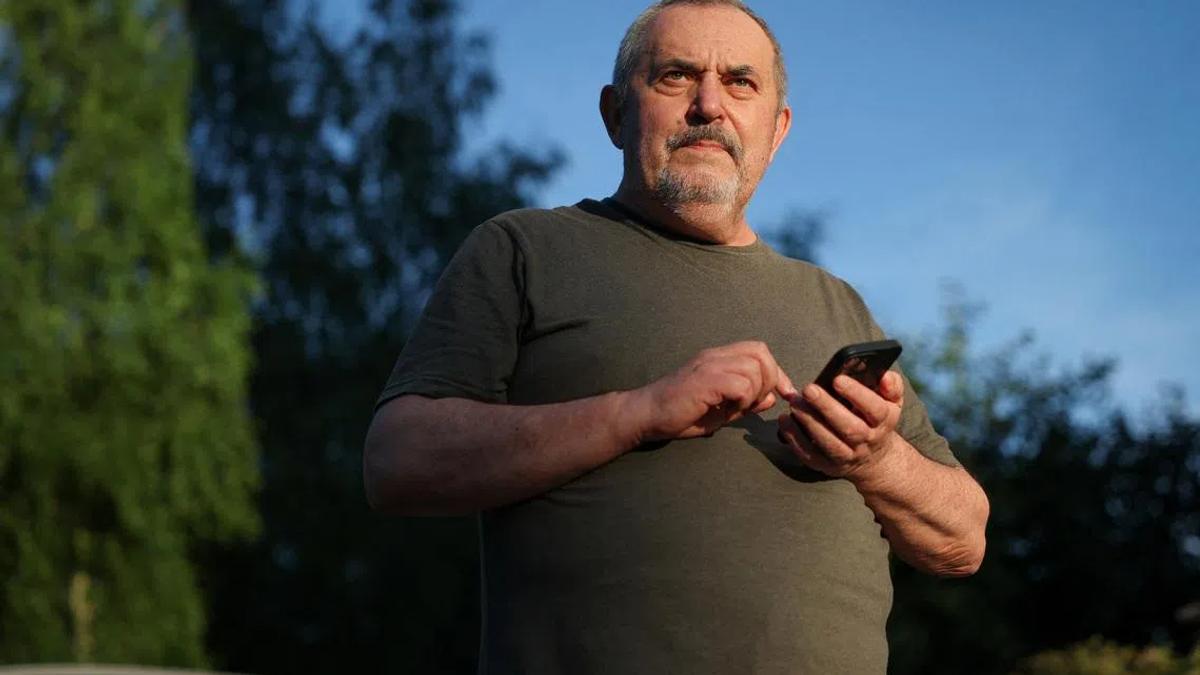
In a significant development reflecting the ongoing suppression of political opposition in Russia, Boris Nadezhdin, an anti-war politician, has accused the authorities of a concerted effort to derail his campaign for a seat in the State Duma. The accusations come after Nadezhdin was designated a "foreign agent" and subsequently questioned by police in July 2026, highlighting the Kremlin's strategic measures to control the domestic political narrative, especially concerning the conflict in Ukraine.
Nadezhdin, who was previously barred from challenging President Vladimir Putin in the 2024 presidential election, is currently attempting to gather the necessary signatures to qualify as a candidate for the parliamentary elections scheduled for September. His platform is notably critical of the government, advocating for an end to what he describes as a "completely senseless fratricidal war" in Ukraine and calling for a freeze along current front lines. He also voices concerns over domestic issues such as internet restrictions and gasoline shortages.
The actions taken against Nadezhdin are consistent with a broader pattern of intensified crackdowns on dissent that has characterized Russia's political landscape over the past four and a half years of the war in Ukraine. The designation as a "foreign agent" is a powerful administrative tool, carrying strong connotations of disloyalty and espionage, effectively marginalizing individuals and organizations from public life. This label often precedes further legal and social pressures, making it exceedingly difficult for those targeted to operate effectively or gain public trust.
Following his foreign agent designation, Nadezhdin was detained and questioned by police regarding a social media post allegedly containing "extremist" content. He is due to appear in court for a hearing on this matter. Nadezhdin explicitly stated that these actions are designed to prevent him from entering the Duma and from publicly articulating his critical views. "The goal is simple: take me out of the game, prevent me from getting into the State Duma, and stop me from running a campaign—for peace, for freedom, and for things like having the internet and gasoline, at the end of the day," he told Reuters.
From a geopolitical perspective, the suppression of figures like Nadezhdin reinforces the image of Russia as an increasingly authoritarian state where political pluralism is systematically dismantled. The Kremlin's determination to silence anti-war voices underscores its commitment to maintaining a unified domestic front in support of its military objectives in Ukraine. Any significant public dissent, particularly concerning the war, is perceived as a threat to national stability and the government's legitimacy.
Domestically, while the dominant pro-Putin United Russia party is widely expected to secure a comfortable victory in the upcoming Duma elections, the campaign period traditionally offers a narrow window for marginalized opposition figures to voice criticism. However, this window is rapidly closing, as evidenced not only by Nadezhdin's case but also by the severe penalties imposed on others. For instance, Maxim Kruglov, deputy chairman of the liberal Yabloko party (which also advocates for a ceasefire), was recently jailed for seven years on charges of spreading "falsehoods" about the Russian military. Such harsh sentences serve as a potent deterrent, instilling fear and discouraging public opposition.
Nadezhdin's continued defiance, despite the personal risks—including his stated heart condition which makes even a short prison sentence life-threatening—highlights the courage of a dwindling number of public figures willing to challenge the state. His case is a stark reminder of the challenges faced by those advocating for alternative political paths in contemporary Russia, where the state apparatus is increasingly deployed to ensure conformity and suppress any perceived threats to its authority. The outcome of his legal challenges and his ability to continue campaigning will be a key indicator of the Kremlin's evolving strategy for managing internal political dissent amidst ongoing international pressures and conflict. The systematic targeting of opposition figures ensures that the electoral process, while formally existing, serves primarily to legitimize the ruling power rather than to facilitate genuine political competition.
Source referenced: STRAITSTIMES
This brief was synthesized by our Editorial Engine and reviewed by The Ground Narrative team.


