TRENDING

Friday, 16 October 2026
----------------------
5 Jumada Al-Awwal 1448 AH
The recent Tour de France crash and concussion cases highlight the challenges of managing concussion in a sport where every second counts. The International Cycling Union's concussion protocol has improved, but roadside assessments remain a concern.
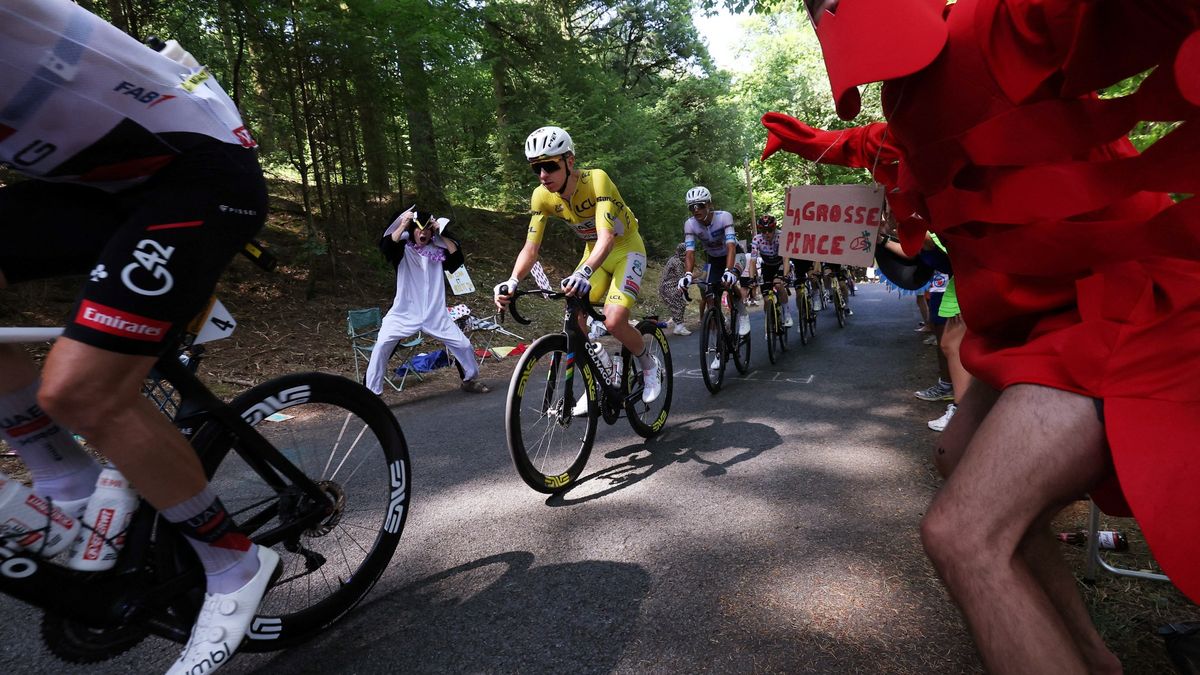
The Tour de France, one of the most prestigious cycling events in the world, has once again been marred by crashes and concussion cases. The recent incidents involving riders Clement Berthet, Alex Molenaar, and Torstein Traeen have brought attention to the difficulties of managing concussion in a sport where every second counts.
The International Cycling Union (UCI) introduced a concussion protocol at the start of the 2021 season. The protocol requires a rider who crashes to be assessed by the first person to reach them, often a mechanic from their team. If the rider exhibits at least two observable signs of concussion, they must be taken out of the race. However, if not, the rider may continue before undergoing a further assessment during the race from the medical car or a team vehicle.
The roadside protocol is much shorter and carried out in the heat of the moment, making it harder to make an assessment. Riders are often caught up in the race and want to get back on their bikes quickly, making it challenging for medical staff to diagnose concussion accurately. A proper concussion protocol takes 10 to 15 minutes and involves several tests, which cannot be done on the side of the road.
Florence Pommerie, the Tour de France's chief doctor, stressed how difficult concussion can be to diagnose. There is no single defining sign, only a combination of indicators. Some signs may appear immediately but disappear after a few hours, while others only emerge later.
Cycling has taken the issue of concussion far more seriously in recent years, with a full awareness of its importance. However, education remains a real challenge in elite cycling, a sport inevitably driven by performance. The UCI's medical director, Xavier Bigard, emphasized that education is a long-term process that will take time but is essential.
The recent incidents highlight the need for improved concussion management in cycling. The UCI's concussion protocol has improved, but roadside assessments remain a concern. The sport must continue to prioritize education and awareness to ensure the safety of its riders. By doing so, cycling can reduce the risk of concussion and create a safer environment for its athletes.
The Tour de France crash and concussion cases are a reminder of the complexities of managing concussion in a high-speed sport. While the UCI's concussion protocol has improved, roadside assessments remain a concern. The sport must continue to prioritize education and awareness to ensure the safety of its riders and create a safer environment for its athletes.
Editor's Note: The analysis is based on the available information and the opinions of medical experts in the field.
Source referenced: ALJAZEERA
This brief was synthesized by our Editorial Engine and reviewed by The Ground Narrative team.


