TRENDING

Thursday, 15 October 2026
----------------------
4 Jumada Al-Awwal 1448 AH
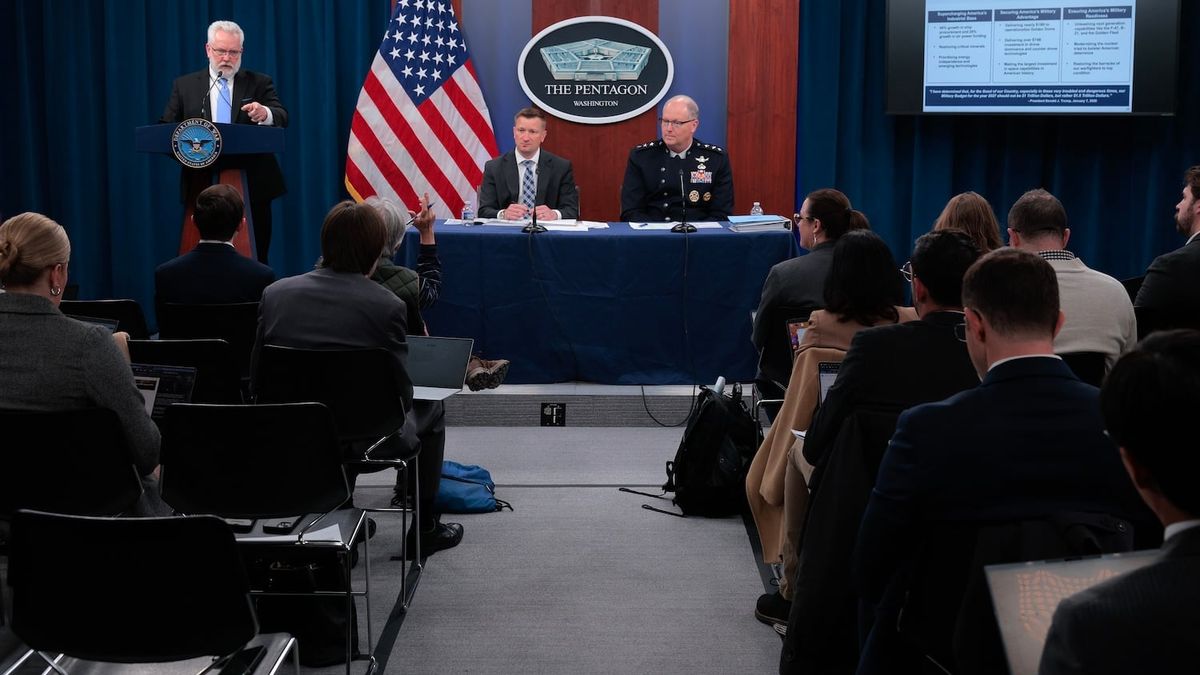
The US Defense Department's 2027 budget request seeks $1.5 trillion, nearly double the 2022 budget, to address a treacherous security environment and bolster the country's defense industrial base.
The world is witnessing a significant escalation of tensions, with ongoing conflicts in Europe and the Middle East, and China's daily military aggression in the Indo-Pacific. The 2026 US National Defense Strategy correctly identifies the risk of simultaneous major power wars across Eurasia, a scenario more perilous than even the darkest days of the Cold War. China's capabilities surpass those of the Soviet Union, and it is not the only nuclear-capable dictatorship challenging the United States.
The proposed $1.5 trillion budget is a necessary response to this treacherous environment. The current defense budget, at less than 3.5% of GDP, represents a nearly 70-year low. In contrast, the US spent an average of about 7% of its GDP on defense during the Cold War. Doubling the defense budget will help strengthen nuclear deterrence, convince allies to step up, and revitalize the defense industrial base.
The US defense industrial base has shrunk significantly since the end of the Cold War, from 51 prime contractors to only five today. This has left the country vulnerable to a prolonged period of tighter budgets and reduced capacity to produce munitions in the next major power war. Revitalizing the defense industrial base is a critical component of the 2026 National Defense Strategy, and larger defense budgets will provide the demand signal needed to open new manufacturing lines, operate more shifts, and recruit a workforce.
Some argue that increased defense spending will lead to national insolvency, but the math doesn't bear this out. The share of government spending going to defense is only about 13%, compared to nearly half (45%) going to Social Security, Medicare, and other healthcare programs. Reforming entitlement programs is the only practical way to balance the budget.
The proposed defense budget is not just a response to the current security environment but a generational investment in the country's national security. It will help the United States uphold its alliance commitments, drive the country toward a defense budget of 5% of GDP, and provide a clear signal for allies and partners to build on recent progress and meet this benchmark alongside the US.
The proposed $1.5 trillion defense budget is a strategic imperative for a perilous era. It will help strengthen nuclear deterrence, revitalize the defense industrial base, and provide a clear signal for allies and partners to build on recent progress. While there are concerns and misconceptions about the budget, the math doesn't bear out the argument that increased defense spending will lead to national insolvency. Ultimately, reforming entitlement programs is the only practical way to balance the budget.
Editor's Note: The analysis is based on publicly available information and does not include any speculative or uncertain aspects.
Source referenced: FOREIGNPOLICY
This brief was synthesized by our Editorial Engine and reviewed by The Ground Narrative team.