TRENDING

Tuesday, 20 October 2026
----------------------
9 Jumada Al-Awwal 1448 AH
The 48th UNESCO World Heritage Committee session in Busan, South Korea, highlights the escalating threats to 53 globally significant sites, imperiled by armed conflict, climate change, and unchecked development. This gathering underscores the critical intersection of cultural preservation with pressing geopolitical, environmental, and economic challenges, demanding urgent international cooperation.
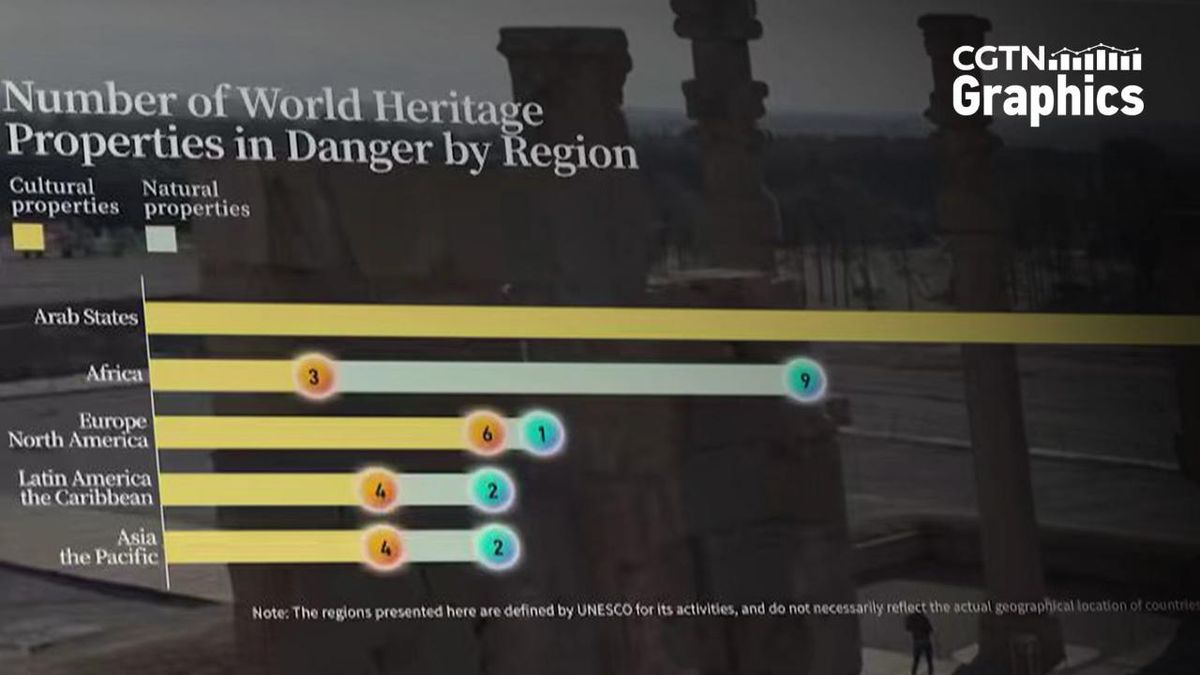
The 48th session of the UNESCO World Heritage Committee, currently underway in Busan, South Korea, from July 19 to 29, 2026, serves as a critical forum for addressing the escalating dangers faced by invaluable global treasures. By 2025, a sobering 53 World Heritage properties had been officially designated on UNESCO's List of World Heritage in Danger. This alarming figure underscores the profound impact of contemporary global challenges, primarily armed conflict, climate change, and overdevelopment, on sites recognized for their outstanding universal value. The committee's deliberations in Busan are not merely administrative; they represent a crucial diplomatic and strategic effort to safeguard humanity's shared past and future amidst a complex geopolitical landscape.
The primary drivers behind the endangerment of these 53 sites reveal a stark intersection of human-induced crises. Armed conflict remains a devastating force, directly targeting or inadvertently destroying cultural and natural heritage. From the ancient cities of the Middle East to historical sites in Eastern Europe, conflict zones often witness the deliberate destruction of cultural property, a tactic frequently employed to erase identity, destabilize societies, and fuel extremist narratives. Such acts are not merely cultural losses but constitute war crimes under international law, notably the 1954 Hague Convention for the Protection of Cultural Property in the Event of Armed Conflict. The ongoing presence of sites on the "in Danger" list due to conflict highlights the persistent failure of international diplomacy to prevent and resolve disputes, leaving irreplaceable heritage vulnerable.
Beyond direct conflict, climate change poses an existential threat to both natural and cultural sites globally. Rising sea levels imperil coastal archaeological sites and historical cities, extreme weather events devastate ancient structures and ecosystems, and changing environmental conditions threaten delicate natural habitats. This global phenomenon, driven by industrialization and greenhouse gas emissions, demands a coordinated international response that has, to date, been insufficient. The vulnerability of World Heritage sites to climate change serves as a potent symbol of the broader environmental crisis facing the planet, emphasizing the urgent need for robust climate policies and adaptation strategies.
Finally, overdevelopment represents a more insidious, yet equally destructive, threat. Rapid urbanization, unchecked tourism, large-scale infrastructure projects, and unsustainable resource extraction often encroach upon or directly damage heritage sites. This challenge frequently pits economic development goals against conservation imperatives, particularly in rapidly developing nations. The pressure to generate revenue or accommodate growing populations can lead to decisions that prioritize short-term economic gains over the long-term preservation of cultural and natural assets, reflecting a broader global struggle to balance progress with sustainability.
The endangerment of World Heritage sites carries significant geopolitical implications. The destruction of heritage in conflict zones can exacerbate regional tensions, fuel grievances, and complicate post-conflict reconciliation efforts. It can also be exploited by non-state actors for propaganda or illicit trafficking, funding further destabilization. UNESCO's role, therefore, extends beyond cultural preservation; it is deeply intertwined with peacebuilding, conflict prevention, and the promotion of international understanding.
The very act of placing a site on the "in Danger" list can be a diplomatic tool, drawing international attention and pressure on states to protect their heritage. However, it can also be a point of contention, with some nations viewing it as an infringement on sovereignty or a political judgment. The committee's decisions, therefore, require careful diplomatic navigation, balancing the imperative of preservation with the sensitivities of member states. The meeting in Busan, a significant economic and cultural hub in East Asia, also subtly underscores the growing role of Asian nations in global cultural diplomacy and conservation efforts.
Despite the formidable challenges, the global commitment to heritage preservation remains evident through initiatives like the World Heritage Volunteers (WHV) program. Between 2008 and 2024, the WHV Initiative mobilized over 10,000 volunteers across 84 countries and regions, collaborating with more than 200 implementing organizations. These collective efforts highlight the power of civil society and international cooperation in safeguarding irreplaceable treasures. Volunteers contribute directly to conservation, raise awareness, and foster a sense of shared responsibility for global heritage. This grassroots engagement complements the high-level diplomatic efforts of UNESCO, demonstrating that the preservation of cultural and natural sites is a concern shared by individuals and communities worldwide, transcending national borders and political divides.
The 48th UNESCO World Heritage Committee session in Busan serves as a stark reminder of the fragility of our shared heritage in an era marked by geopolitical instability, environmental degradation, and rapid development. The 53 endangered sites are not merely statistics; they represent tangible links to human history, biodiversity, and collective identity. Their continued peril underscores the urgent need for enhanced international cooperation, more robust conflict resolution mechanisms, ambitious climate action, and sustainable development policies that prioritize long-term preservation over short-term gains. The efforts of UNESCO, supported by dedicated volunteers and member states, are vital in this ongoing struggle, reflecting a fundamental human desire to protect and transmit our common legacy to future generations. The outcomes of this session will undoubtedly shape the trajectory of global heritage conservation for years to come, demanding a renewed and unwavering commitment from the international community.
Source referenced: CGTN
This brief was synthesized by our Editorial Engine and reviewed by The Ground Narrative team.