TRENDING

Tuesday, 6 October 2026
----------------------
25 Rabi' Al-Thani 1448 AH
A recent UN report reveals that Russian strikes killed at least 265 civilians and injured 1,816 in Ukraine during June, marking the highest monthly casualty count since the initial months of the 2022 invasion. This alarming trend, continuing into July, underscores a dangerous intensification of the conflict and raises significant concerns regarding international humanitarian law.
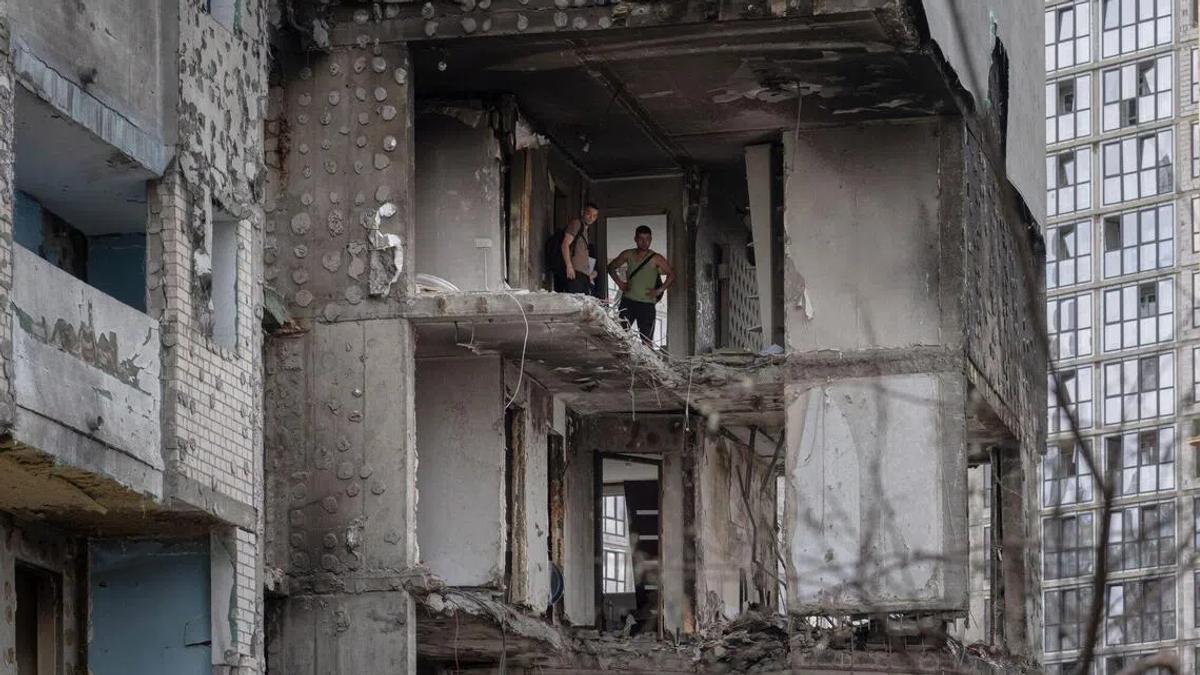
The United Nations has reported a significant escalation in civilian casualties in Ukraine, with June 2026 marking the highest monthly toll since the early stages of Russia's full-scale invasion in February 2022. According to Rosemary DiCarlo, the UN political affairs chief, speaking to the Security Council on July 9, Russian strikes resulted in the deaths of at least 265 civilians and injuries to 1,816 others across Ukraine during June. This figure surpasses the casualty count from May, which had previously been the highest since April 2022, indicating a concerning and accelerating trend that appears to be continuing into July.
The data, compiled by the UN's Office of the High Commissioner for Human Rights (OHCHR), highlights the devastating human cost of the ongoing conflict. Since the war began, OHCHR has verified at least 16,402 civilian deaths, including 802 children, and 48,428 injuries, affecting 2,948 children. The UN acknowledges that the actual figures are likely considerably higher, given the challenges of verification in conflict zones, particularly in Russian-occupied territories. DiCarlo specifically cited three massive waves of Russian aerial strikes on Kyiv and other Ukrainian cities in the week preceding her address, many of which targeted urban centers with large civilian populations.
The sharp increase in civilian casualties carries profound geopolitical and humanitarian implications. From a geopolitical perspective, the intensified targeting of urban areas suggests a potential shift in Russian military strategy, possibly aimed at exerting greater pressure on Ukraine's civilian population and infrastructure. This could be a response to battlefield dynamics, an attempt to undermine Ukrainian morale, or a tactic to disrupt logistical and economic capabilities. Such actions, as condemned by the UN, constitute clear violations of international humanitarian law, which strictly prohibits attacks against civilians and civilian infrastructure. The consistent disregard for these laws by Russian forces, as documented by the UN, further isolates Moscow on the international stage and fuels calls for accountability from global bodies and allied nations.
Humanitarian consequences are dire. The escalating violence exacerbates an already severe crisis, leading to increased displacement, trauma, and long-term societal damage. The destruction of residential areas and critical infrastructure not only causes immediate casualties but also disrupts essential services, impacting public health, education, and economic stability. The UN's call for an immediate cessation of attacks on civilians and civilian infrastructure underscores the urgency of the situation and the international community's concern for protecting non-combatants.
The current surge in casualties must be viewed within the broader context of the protracted conflict that began with Russia's full-scale invasion in February 2022. The war has evolved through various phases, from initial large-scale offensives to attritional warfare and targeted strikes. The recent data suggests a renewed intensity in aerial bombardment, particularly against urban centers, which could indicate a strategic effort to degrade Ukraine's capacity to resist or to influence future peace negotiations from a position of perceived strength.
While the UN also noted reports from Russian authorities of 250 civilians killed and 1,596 injured inside Russia during the first six months of 2026, it emphasized its inability to verify these claims. This highlights the ongoing information warfare surrounding the conflict, where both sides present narratives to shape international opinion and domestic support.
Looking ahead, the continued high rate of civilian casualties poses significant challenges to any prospects for de-escalation or a peaceful resolution. It hardens positions, deepens animosity, and complicates the already immense task of post-conflict reconstruction and reconciliation. The international community, through bodies like the UN Security Council, will likely continue to condemn these actions and press for adherence to international law, though the effectiveness of such diplomatic pressure remains a persistent challenge in the face of ongoing hostilities.
Source referenced: STRAITSTIMES
This brief was synthesized by our Editorial Engine and reviewed by The Ground Narrative team.


