TRENDING

Friday, 16 October 2026
----------------------
5 Jumada Al-Awwal 1448 AH
UN Secretary-General Antonio Guterres has outlined three options for a continued uniformed UN presence in Lebanon after the mandate of UNIFIL expires at year-end, citing deteriorating conditions and the need for a long-term solution to the conflict.
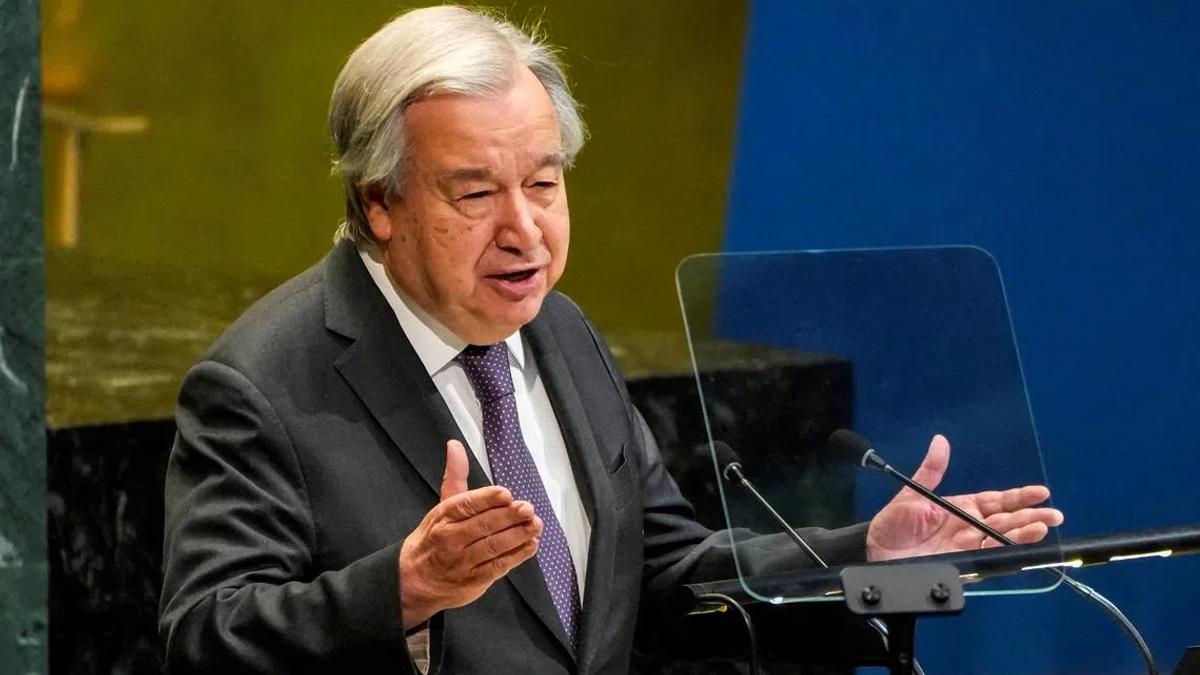
The situation in Lebanon has taken a dramatic turn for the worse since March, prompting UN Secretary-General Antonio Guterres to present three options for a continued uniformed UN presence in the country. The UN Interim Force in Lebanon (UNIFIL) mandate is set to expire at the end of the year, and Guterres has emphasized the need for a sustained UN presence to support a strengthened UN political mission seeking a long-term solution to the conflict.
The UNIFIL mandate has been in place since 1978, with the primary objective of maintaining peace and stability in southern Lebanon. However, the situation has become increasingly complex, with the presence of various armed groups, including Hezbollah, and the ongoing Israeli-Lebanese conflict. The Blue Line, which separates Lebanon from Israel, has been a focal point of tensions, with frequent ceasefire violations and skirmishes.
Guterres' proposal for a continued UN presence in Lebanon is driven by several strategic motivations. Firstly, the UN seeks to maintain stability in the region, which is critical for regional security and economic development. Secondly, the UN aims to support the Lebanese government in its efforts to establish a long-term solution to the conflict, which would require a sustained international presence. Finally, the UN seeks to prevent the escalation of tensions between Lebanon and Israel, which could have far-reaching consequences for regional stability.
The implications of a continued UN presence in Lebanon are far-reaching. A sustained UN presence would provide a degree of stability and security, which would be critical for the Lebanese people and the regional economy. However, it would also require significant resources and commitment from the international community. Furthermore, the presence of a UN force would need to be carefully calibrated to avoid exacerbating tensions between Lebanon and Israel.
The future consequences of a continued UN presence in Lebanon are uncertain. However, a sustained UN presence would likely require a significant increase in resources and commitment from the international community. It would also require careful calibration to avoid exacerbating tensions between Lebanon and Israel. Ultimately, the success of a continued UN presence in Lebanon would depend on the ability of the international community to provide sustained support and commitment to the mission.
Guterres has outlined three options for a continued UN presence in Lebanon:
* Option 1: A light presence with limited capabilities, comprising an unarmed military observer presence of 350 personnel, combined with an armed presence for force protection.
* Option 2: A more robust force with broader monitoring and de-escalation capabilities, comprising an unarmed military observer presence of 285 personnel, combined with an armed presence for force protection.
* Option 3: A light infantry battalion presence, comprising an unarmed military observer presence of 215 personnel, combined with two light infantry battalions of 450 armed troops each and a quick reaction force of 350 armed troops for force protection.
Each option has its advantages and disadvantages, and the choice of which option to pursue would depend on the specific needs and circumstances of the mission.
The situation in Lebanon is complex and volatile, and the need for a continued UN presence is clear. Guterres' proposal for a sustained UN presence in Lebanon is driven by strategic motivations, including the need to maintain stability in the region, support the Lebanese government, and prevent the escalation of tensions between Lebanon and Israel. The future consequences of a continued UN presence in Lebanon are uncertain, but a sustained UN presence would likely require significant resources and commitment from the international community. Ultimately, the success of a continued UN presence in Lebanon would depend on the ability of the international community to provide sustained support and commitment to the mission.
Editor's Note: The analysis is based on publicly available information and may not reflect the full range of perspectives and opinions on the issue.
Source referenced: STRAITSTIMES
This brief was synthesized by our Editorial Engine and reviewed by The Ground Narrative team.