TRENDING

Friday, 16 October 2026
----------------------
5 Jumada Al-Awwal 1448 AH
Iraq's Prime Minister Ali al-Zaidi has signed 48 agreements with US companies, including major oil sector deals, during a visit to Washington, marking a significant shift in Baghdad's energy strategy.
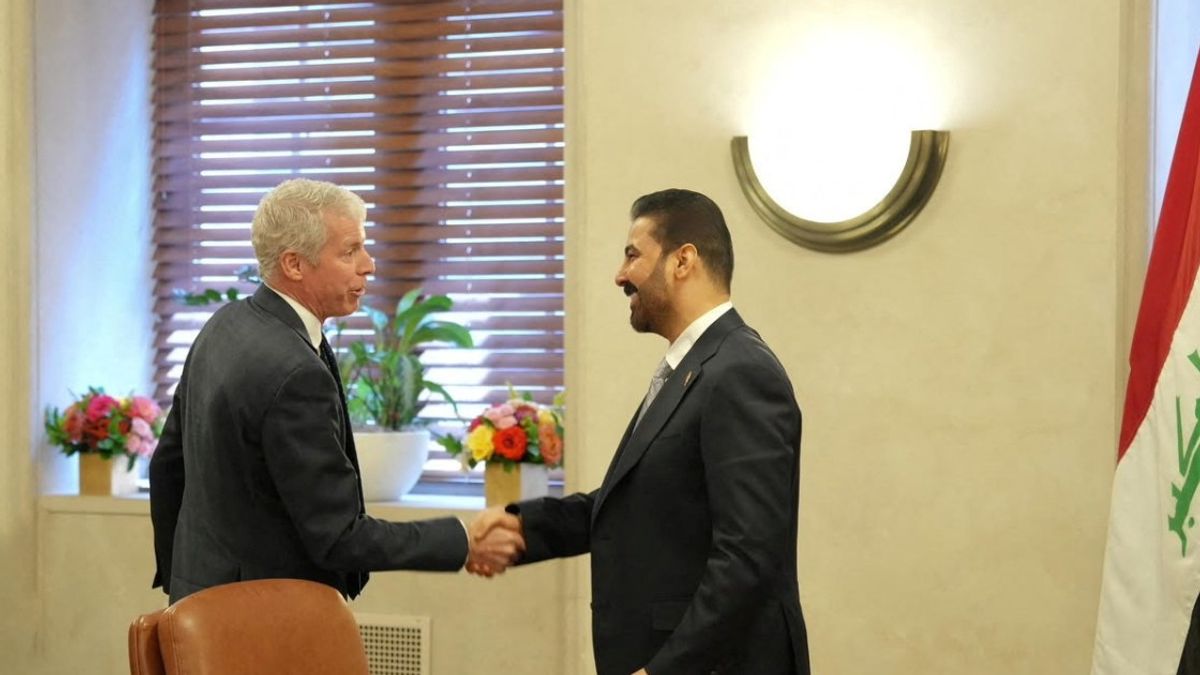
Iraq's Prime Minister Ali al-Zaidi has concluded a highly successful visit to the United States, securing 48 agreements with American companies, including major oil sector deals. The agreements, signed during a US-Iraq business summit at the US Chamber of Commerce in Washington, mark a significant shift in Baghdad's energy strategy, aimed at reducing its dependence on the Strait of Hormuz.
Iraq's decision to diversify its energy exports and reduce its reliance on the Strait of Hormuz is driven by the ongoing US-Israel war against Iran. The conflict has disrupted shipping and oil exports through the strategic waterway, causing significant economic losses for Iraq. By signing agreements with US companies to construct a major crude oil pipeline between Iraq and Syria, Baghdad is seeking to create an alternative energy corridor, linking Iraqi oil production to Mediterranean export markets.
The Iraq-Syria oil pipeline, which runs from the oil-rich Kirkuk region in northern Iraq to Syria's Mediterranean port of Baniyas, has been defunct for several years. The pipeline's rehabilitation, led by a US-led international consortium, will have an initial transport capacity of two million barrels per day of crude oil. This development is critical, as it will enable Iraq to export oil through the Mediterranean, bypassing the Strait of Hormuz.
The US-Iraq agreements have significant regional implications. By reducing its dependence on the Strait of Hormuz, Iraq is sending a strong signal to its regional neighbors, including Iran, that it is committed to diversifying its energy exports. This move is likely to be viewed as a strategic shift by Iran, which has long relied on Iraq as a key transit point for its oil exports.
The consequences of Iraq's strategic shift will be far-reaching. The rehabilitation of the Iraq-Syria oil pipeline will not only reduce Iraq's dependence on the Strait of Hormuz but also create new economic opportunities for the country. The agreements with US companies, worth over $60 billion, will also contribute to Iraq's economic growth and development.
Iraq's decision to sign 48 agreements with US companies marks a significant shift in Baghdad's energy strategy. The agreements, aimed at reducing Iraq's dependence on the Strait of Hormuz, will have far-reaching consequences for the country's economy and regional dynamics. As Iraq continues to diversify its energy exports, it is likely to become an increasingly important player in the global energy market.
Editor's Note: The analysis is based on publicly available information and does not contain any speculative or uncertain aspects.
Source referenced: ALJAZEERA
This brief was synthesized by our Editorial Engine and reviewed by The Ground Narrative team.