TRENDING

Sunday, 25 October 2026
----------------------
14 Jumada Al-Awwal 1448 AH
Russian forces continue missile and drone attacks across Ukraine, resulting in casualties and damage, even as Kyiv intensifies diplomatic outreach to Western allies for sustained support and a path to peace. President Zelenskyy's engagement with US envoys and European leaders underscores a concerted effort to reinvigorate diplomatic solutions, while Moscow signals reluctance for immediate high-level talks.
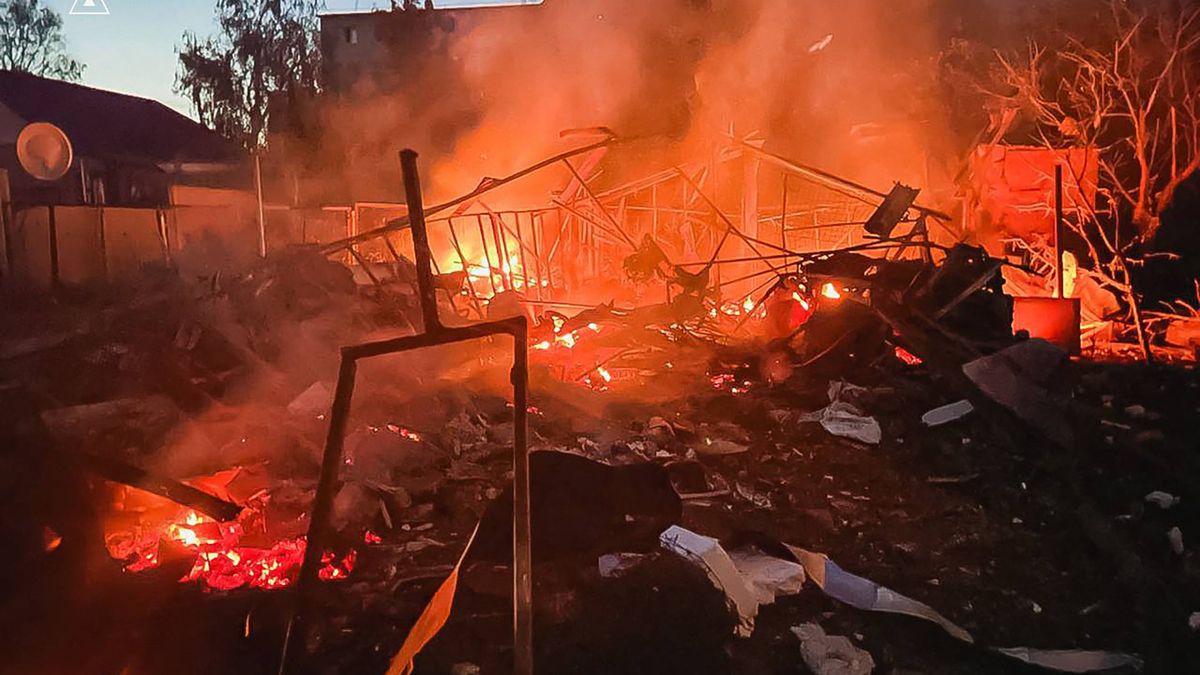
Recent days have seen a continuation of intense military activity across Ukraine, with Russian forces launching missile and drone strikes that have resulted in civilian casualties and significant damage to infrastructure. On June 9, 2026, Ukrainian officials reported that Russian attacks on the northeastern Kharkiv region, specifically the town of Chuhuiv and Kharkiv city, killed a pregnant woman and two others, while injuring at least 22, including children. Separately, two individuals were killed in the Donetsk region, with 11 others wounded in Sloviansk and Shabelkivka. These strikes underscore the persistent and brutal nature of the conflict, which continues to exact a heavy toll on Ukrainian civilians and urban centers.
The timing of these attacks follows an intensification of Ukraine's long-range drone strikes targeting Russian oil facilities, which Kyiv asserts have led to fuel shortages in Russia. This tit-for-tat escalation highlights a strategic dynamic where both sides are attempting to disrupt the other's logistical capabilities and economic stability, extending the battlefield beyond traditional front lines. Russia's continued targeting of Ukrainian cities, including residential areas, appears to be part of a broader strategy to exert pressure, degrade morale, and deplete Ukraine's defensive resources.
Amidst the ongoing military confrontation, Ukrainian President Volodymyr Zelenskyy has intensified diplomatic efforts, engaging with key international partners to galvanize support and explore pathways to peace. On Monday, Zelenskyy held what he described as a "very positive" phone conversation with US special envoys Steve Witkoff and Jared Kushner. He expressed gratitude for their commitment to "reinvigorate diplomacy aimed at ending Russia's war against Ukraine," signaling a potential renewed push for a negotiated settlement or at least a more coordinated international approach to the conflict.
This diplomatic outreach extended to European capitals, with Zelenskyy meeting British Prime Minister Keir Starmer, German Chancellor Friedrich Merz, and French President Emmanuel Macron in London. The leaders reiterated their "unwavering support" for Ukraine in a joint statement, emphasizing discussions on coordinating further assistance at upcoming G7, NATO, and "Coalition of the Willing" summits. The focus of these discussions included increasing pressure on Russia's war economy and pledging enhanced military and defense support. Such high-level coordination underscores the West's commitment to sustaining Ukraine's defense capabilities and maintaining economic sanctions against Russia, aiming to alter Moscow's strategic calculus.
Despite Ukraine's diplomatic overtures, Russia's position on direct high-level negotiations remains cautious. Last week, President Zelenskyy had reportedly sent a letter to Russian President Vladimir Putin requesting an in-person meeting. However, Putin, speaking at the International Economic Forum in St. Petersburg, dismissed the idea, stating there was "no point" in such a meeting and suggesting that "experts should work things out first." This stance indicates Russia's current preference for a more structured, perhaps lower-level, negotiation process, or a belief that the conditions for a productive leader-to-leader summit are not yet met. It also suggests that Moscow may be seeking to dictate the terms and timing of any potential peace talks, rather than engaging in direct, unmediated dialogue with Kyiv.
Zelenskyy's speculative comments in an interview with The Guardian, shared on X, about divisions within Putin's inner circle—"Half of them want to continue this war. Half want to stop"—offer a glimpse into Kyiv's assessment of potential internal pressures within Russia. While unverified, such a perspective might inform Ukraine's diplomatic strategy, seeking to exploit perceived fissures or encourage a shift in Moscow's resolve.
The ongoing military actions and intensified diplomatic maneuvering highlight the complex and multifaceted nature of the conflict. Ukraine's efforts to secure sustained international attention and support are crucial, especially as Zelenskyy noted the world's focus shifting towards other global crises, such as the situation in Iran. Maintaining the unity and resolve of the international coalition supporting Ukraine is paramount for Kyiv's long-term resilience.
The coordinated Western strategy, as evidenced by the upcoming summits, aims to bolster Ukraine's defense and economic stability while increasing the cost of the war for Russia. However, Putin's rejection of direct talks signals that a swift diplomatic resolution remains elusive. The conflict appears set to continue on a dual track: persistent military engagement on the ground, coupled with a concerted, yet challenging, international effort to find a diplomatic off-ramp or, failing that, to ensure Ukraine's capacity to defend itself. The interplay between battlefield realities and diplomatic initiatives will continue to shape the trajectory of this protracted geopolitical struggle.
Source referenced: ALJAZEERA
This brief was synthesized by our Editorial Engine and reviewed by The Ground Narrative team.