TRENDING

Wednesday, 7 October 2026
----------------------
26 Rabi' Al-Thani 1448 AH
Ukraine has unveiled a refined "theory of victory" focusing on deep strikes against Russian energy, logistics, and defense infrastructure to degrade Moscow's war-fighting capacity. This strategic shift aims to minimize Ukrainian casualties while leveraging advanced drone and missile technology to achieve functional defeat of Russian forces.
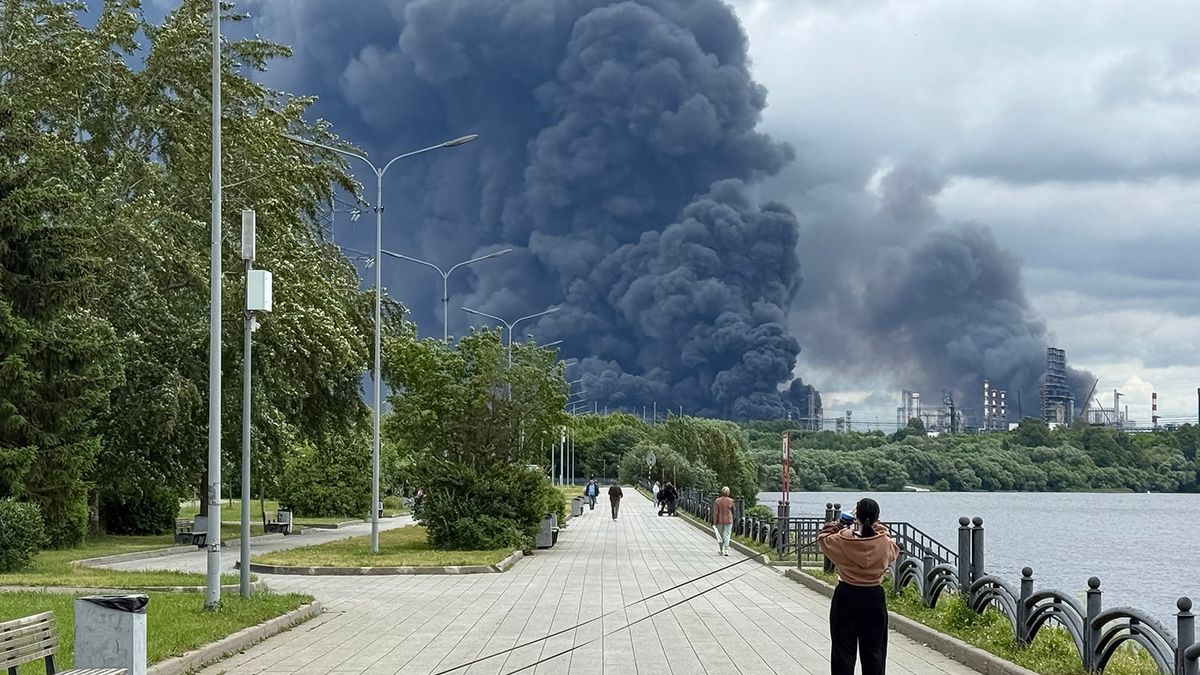
Four years into the full-scale conflict, Ukraine appears to have articulated a more coherent "theory of victory" against Russia, marking a significant strategic evolution in the protracted war. This new approach, observed over recent months, moves away from direct attrition warfare, which proved costly in previous counteroffensives, towards a strategy of "strategic neutralization" aimed at degrading Russia's capacity to wage war from within. The shift leverages advanced technology and deep strikes to target critical Russian infrastructure, logistics, and defense-industrial capabilities, with the ultimate goal of rendering Russian forces ineffective while minimizing Ukrainian casualties.
The core of this strategy, as articulated by Ukrainian military and strategic thinkers, focuses on three key pillars: crippling Russia's energy infrastructure, severing vital supply lines, particularly to occupied Crimea, and disrupting the production of high-tech weaponry. This approach draws inspiration from Ukraine's earlier success in functionally defeating Russia's Black Sea Fleet without possessing a traditional surface navy, relying instead on naval drones to force Russian vessels out of their primary port in Sevastopol. This model of achieving "functional defeat"—rendering an enemy capability impotent rather than completely destroying it—is now being applied across other domains.
A central component of Kyiv's new strategy involves an intensified long-range drone and missile campaign against Russian oil refineries, fuel storage facilities, and pipelines. Since the beginning of this year, Ukraine has reportedly conducted 194 such strikes, an eleven-fold increase compared to the same period in the previous year. These strikes, reaching ever deeper into Russian territory, aim to choke off the financial revenues that fuel Moscow's war budget and trigger a domestic fuel crisis. The impact is already evident, with more than half of Russia's regions reporting fuel shortages, rationing, or sales restrictions. In response, Moscow has been compelled to import gasoline from India and has banned exports of gasoline, jet fuel, and diesel—products that typically generate substantial state revenue and foreign currency. These measures underscore the growing fiscal and economic pressures on Russia.
Simultaneously, Ukraine is intensifying efforts to sever the supply lines sustaining Russian forces in occupied Crimea. This campaign, which includes targeting the Kerch Bridge and other logistical nodes, seeks to isolate the peninsula, cutting off ammunition, fuel, and food supplies. Ukrainian military officers on the front lines express confidence in achieving this isolation, potentially by the end of the summer, which would represent a significant strategic and symbolic humiliation for Russian President Vladimir Putin, who views the 2014 annexation of Crimea as a key achievement. The isolation of Crimea would mirror the successful withdrawal of Russian forces from Kherson in 2022 after Ukrainian HIMARS attacks severed supply lines, and more recently, the withdrawal from the Kinburn Spit following the destruction of their logistical links.
The emergence of this new strategy is closely linked to Ukraine's development and deployment of advanced military technologies, spearheaded by figures like 35-year-old Defense Minister Mykhailo Fedorov, a tech industry veteran. Key to these efforts are new drone systems and long-range missiles. The Hornet one-way attack drone, developed in collaboration with a U.S. start-up, utilizes artificial intelligence to evade jamming and enhance targeting precision. The Flamingo cruise missile, with a range of 1,800 miles, significantly extends Ukraine's strike capabilities, enabling attacks on targets deep within Russia, such as the recent damage to Russia's largest oil refinery in Omsk, over 1,500 miles from the front line. Furthermore, Ukraine is reportedly close to fielding its own ballistic missiles, which would provide greater explosive power for strikes on strategic Russian sites.
Ukrainian engineers are also working on expanding the "kill zone" on the front lines through new drone designs, aiming to extend the area where infantry movement is virtually impossible without being targeted from 20-25 miles to over 40 miles. This technological expansion creates significant dilemmas for Russia, forcing Moscow to make difficult choices regarding the allocation of its increasingly scarce air defense assets. Every anti-aircraft battery deployed to protect cities like Moscow and St. Petersburg means one less available for energy facilities, defense manufacturing sites, or the front lines in Ukraine.
While the new strategy provides a clearer operational framework, the ultimate definition of "victory" remains somewhat nuanced. Kyiv does not envision an all-out invasion and occupation of Russia. Instead, the objective appears to be an end state where Russia's capacity to wage war is so degraded that Ukraine can maintain a defensive posture as a "steel porcupine," permanently holding Russian forces at bay. This vision, however, is contingent on several critical factors, most notably the sustained financial and military support from Europe and other Western partners. Concerns persist that a shift in the political landscape in key European nations, potentially bringing Moscow-friendly right-wing populists to power, could jeopardize this crucial support.
The success of Ukraine's new theory of victory hinges on its ability to maintain technological superiority, adapt to Russian countermeasures, and secure consistent international backing. This strategic pivot represents a sophisticated attempt to leverage asymmetric advantages and inflict systemic damage on Russia's war machine, potentially reshaping the dynamics of the conflict and offering a pathway to a more sustainable defense for Ukraine.
Editor's Note: The long-term efficacy of this strategy hinges on sustained technological superiority, Western support, and Russia's adaptive capacity.
Source referenced: FOREIGNPOLICY
This brief was synthesized by our Editorial Engine and reviewed by The Ground Narrative team.


