TRENDING

Wednesday, 7 October 2026
----------------------
26 Rabi' Al-Thani 1448 AH
A recent spate of fatal bus accidents in Uganda and South Africa has brought renewed attention to the pervasive challenges plaguing long-distance road transport across Africa. These incidents underscore critical deficiencies in infrastructure, vehicle maintenance, driver regulation, and enforcement, impacting regional mobility and economic development.
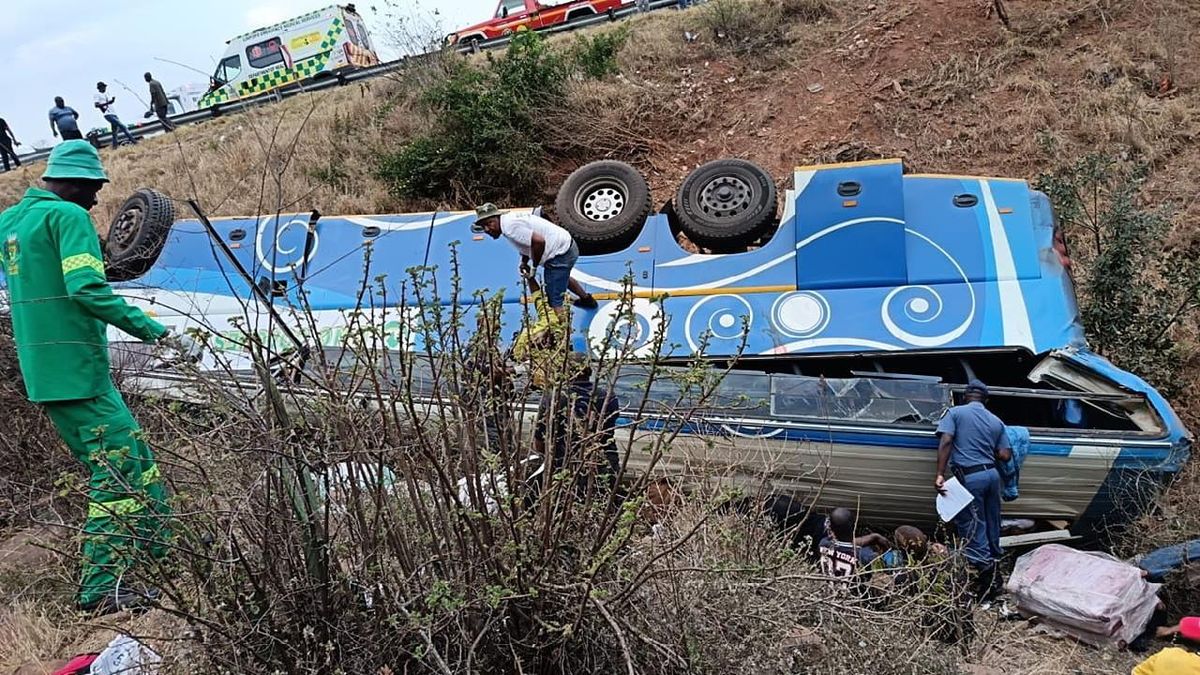
In recent weeks, a series of devastating long-distance bus crashes in Uganda and South Africa has tragically highlighted the persistent and systemic challenges facing road safety across the African continent. These incidents are not isolated events but rather stark indicators of deeper issues related to infrastructure, regulatory enforcement, and the socio-economic realities that shape regional mobility. For millions of Africans, buses represent the primary, and often only, viable mode of intercity and cross-border transport, making the safety of these services a critical public interest and developmental concern.
One of the most recent and severe incidents occurred in northern Uganda on the Kampala–Gulu Highway, where a passenger bus operated by OPIT Travellers Company collided head-on with a trailer truck. This crash, which took place on a Tuesday night, resulted in the deaths of at least 14 people and left 28 injured. Preliminary investigations by the Uganda Police suggest that the bus driver was speeding and lost control while attempting to avoid a pedestrian.
Days prior, South Africa experienced its own share of tragedies. Near Worcester in the Western Cape, a long-distance bus traveling from Cape Town to Idutywa overturned, killing 16 people and injuring 20. The Road Traffic Management Corporation (RTMC) indicated that the driver swerved to avoid a delivery vehicle before losing control. This incident followed another serious accident in Limpopo Province, where a bus carrying Malawian nationals overturned near Musina, resulting in the driver's death and injuries to 11 passengers. Provincial transport officials are investigating driver fatigue as a potential factor in the Limpopo crash. While the immediate circumstances of each accident varied, they collectively point to a common underlying vulnerability in the continent's transport networks.
Long-distance buses are undeniably the backbone of regional mobility in much of sub-Saharan Africa. They serve as a vital lifeline, connecting bustling urban centers with remote rural communities and facilitating the movement of goods and people across national borders. For many, air travel remains prohibitively expensive, and limited passenger rail networks mean buses are often the sole practical option for journeys spanning hundreds or even thousands of kilometers. This reliance is further amplified by the growth of regional trade and labor migration, particularly within economic blocs like the Southern African Development Community (SADC) and the East African Community (EAC), where efficient and affordable transport is crucial for economic integration and development.
However, this indispensable role comes with significant risks. The World Health Organization's (WHO) Global Status Report on Road Safety consistently highlights the African region as having the world's highest road traffic fatality rate. Despite accounting for a relatively small share of the world's registered vehicles, Africa bears a disproportionately heavy burden of road deaths, underscoring a profound public health and safety crisis.
Road safety experts identify a complex interplay of factors contributing to Africa's high accident rates:
* Driver-Related Issues: Driver fatigue is a frequently cited factor, especially on overnight routes where operators face pressure to adhere to demanding schedules. Speeding, reckless overtaking, and inadequate driver training also contribute significantly.
* Vehicle Maintenance: Many transport operators contend with ageing fleets, and poor vehicle maintenance is a common issue, leading to mechanical failures that can have catastrophic consequences.
* Infrastructure Deficiencies: A significant challenge lies in the quality and design of road infrastructure. Many highways are single-carriageway roads, shared by a diverse mix of buses, heavy trucks, motorcycles, pedestrians, and livestock. This increases the risk of head-on collisions. In rural areas, inadequate lighting, poor road surfaces, and limited emergency response services exacerbate the severity of crashes.
* Environmental Factors: Adverse weather conditions, such as fog, smoke, and icy road surfaces during winter months, can reduce visibility and traction, further increasing accident risks.
* Regulatory and Enforcement Gaps: While many African governments have introduced measures like roadworthiness inspections, speed enforcement, and mandatory driver rest periods, the implementation and enforcement of these regulations remain uneven. Weak enforcement allows unsafe practices to persist, undermining efforts to improve safety.
The high incidence of road accidents has far-reaching geopolitical and socio-economic implications. Economically, it disrupts supply chains, impacts labor mobility, and imposes significant costs through healthcare expenses, lost productivity, and property damage. For countries striving for economic growth and regional integration, a reliable and safe transport network is fundamental. The current challenges hinder these aspirations, affecting trade flows and the efficient movement of human capital.
Socially, the disproportionate loss of life and injury represents a profound human tragedy, impacting families and communities. It also strains public health systems and diverts resources that could otherwise be used for development initiatives. From a governance perspective, the persistent safety concerns highlight the need for stronger institutional capacity, greater investment in public infrastructure, and more effective cross-border cooperation on transport standards and enforcement.
As investigations into the latest crashes continue, transport safety advocates are reiterating calls for a concerted effort to address these systemic issues. This includes stronger enforcement of existing regulations, substantial investment in safer road infrastructure and modern vehicle fleets, and improved working conditions for long-distance drivers. Addressing Africa's long-haul transport challenge requires a holistic approach that combines policy reform, infrastructure development, technological adoption, and sustained public awareness campaigns to ensure that the continent's vital transport lifeline is also a safe one.
Source referenced: CGTN
This brief was synthesized by our Editorial Engine and reviewed by The Ground Narrative team.