TRENDING

Thursday, 8 October 2026
----------------------
27 Rabi' Al-Thani 1448 AH
The Democratic Republic of Congo faces a deepening political crisis as President Felix Tshisekedi's push for a constitutional referendum, widely seen as a bid for a third term, ignites widespread opposition and protests. This internal struggle unfolds against a backdrop of ongoing conflict in the east and the DRC's recent assumption of a UN Security Council seat, raising concerns about democratic stability and regional implications.
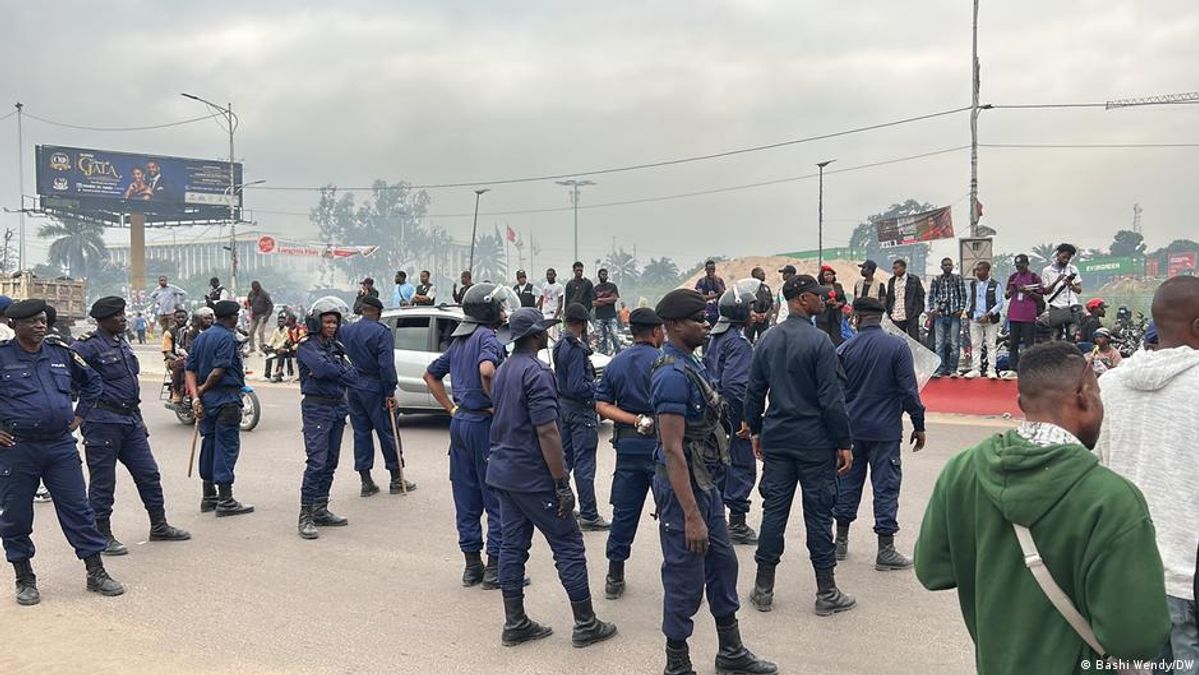
The The Democratic Republic of Congo (DRC) is currently embroiled in a significant political crisis stemming from President Felix Tshisekedi's proposed constitutional referendum. This initiative, perceived by a broad opposition coalition as an attempt to circumvent presidential term limits and secure a third mandate, has triggered widespread protests and raised serious concerns about the nation's democratic trajectory and stability.
The controversy intensified in June when the DRC's parliament adopted legislation to establish a legal framework for constitutional reform, swiftly followed by Senate approval of a measure that the opposition contends would effectively remove existing presidential term limits. Under the current constitutional framework, President Tshisekedi's mandate is set to conclude in 2028. Critics argue that the proposed changes would allow a 'reset' of his terms, enabling him to seek re-election. On June 30, Tshisekedi announced he would refer the bill to the constitutional court for review, a move met with skepticism regarding the court's independence by the opposition.
This political maneuver has galvanized the C64 opposition coalition, formed in May and named after Article 64 of the DRC constitution, which empowers citizens to resist unconstitutional seizures of power. Comprising prominent opposition figures such as Martin Fayulu and Moise Katumbi, the coalition accuses Tshisekedi of orchestrating a "constitutional coup" and demands his resignation. Protests, initially scheduled for July 8 but postponed following mediation by Burundian President Evariste Ndayishimiye in his capacity as African Union chair, are now slated for July 22. Previous demonstrations on June 12 in Kinshasa escalated into violent clashes between protesters, ruling party supporters, and security forces, with opposition groups alleging a brutal crackdown and fatalities.
President Tshisekedi's supporters, particularly from the ruling UDPS party, defend the proposed reforms, arguing that the current constitution is outdated and incapable of addressing the country's contemporary challenges. They claim popular support for a new constitution, asserting that the existing one was "imposed from abroad." This narrative seeks to frame the constitutional amendment as a necessary evolution for national sovereignty and progress.
However, this perspective is sharply contested by a wide array of domestic actors. Nobel Peace Prize laureate Denis Mukwege has vocally criticized the timing and legality of the referendum, highlighting the constitutional constraints against amendments during periods of public health emergencies or security crises, such as the ongoing conflict in eastern DRC. The Catholic Church, a significant moral authority in the country, has also questioned the government's priorities. Cardinal Fridolin Ambongo underscored the severe challenges facing the DRC—armed conflict, widespread poverty, insecurity, and epidemics—arguing that constitutional change is neither the most appropriate response nor an urgent priority when peace and stability are paramount.
The constitutional dispute is unfolding at a precarious time for the DRC. The nation has been a non-permanent member of the UN Security Council since the beginning of the year and assumed its rotating presidency for July, with Tshisekedi emphasizing the regulation of mineral resource extraction as a key priority. While Tshisekedi seeks to bolster his international standing, his domestic credibility is under severe pressure. Observers note a growing public distrust, particularly concerning the constitutional plans that could extend his tenure beyond 2028.
The internal political crisis carries significant risks for the DRC's already fragile stability. The eastern regions of the country remain plagued by conflict, with government forces battling the M23 rebel movement and the Alliance Fleuve Congo (AFC). International observers warn that a further erosion of trust in government institutions due to the constitutional crisis could be exploited by armed groups, exacerbating insecurity and potentially leading to a wider humanitarian catastrophe. The opposition argues that a referendum under such conditions cannot be genuinely inclusive, as large segments of the population in conflict-affected areas would be effectively disenfranchised.
Beyond its borders, the crisis could have regional ramifications. While European governments and multilateral organizations stress the importance of democratic standards, other international actors are often driven by strategic interests, particularly concerning critical minerals and security. A loss of international credibility for Kinshasa could weaken its position in its ongoing dispute with Rwanda over alleged support for M23, a conflict now in its sixth year. The DRC's vast mineral wealth, crucial for global technology and green energy transitions, makes its internal stability a matter of significant international concern.
The coming weeks, particularly around the scheduled July 22 protests, will be critical in determining the immediate trajectory of this crisis. The outcome of the constitutional court's review and the government's response to domestic and international pressure will be pivotal. The DRC stands at a crossroads, where the pursuit of political longevity by its leadership clashes with calls for democratic integrity and urgent attention to pressing national crises. The international community watches closely, balancing its stated commitment to democratic principles with its strategic interests in a resource-rich, yet deeply unstable, nation.
Source referenced: DW
This brief was synthesized by our Editorial Engine and reviewed by The Ground Narrative team.