TRENDING

Tuesday, 20 October 2026
----------------------
9 Jumada Al-Awwal 1448 AH
President Volodymyr Zelensky has replaced Ukraine's top military commander, Oleksandr Syrsky, with Mykhailo Drapaty, a move prompted by widespread public protests and accusations of strategic failures. This significant leadership change signals a deepening political crisis and carries profound implications for Ukraine's military strategy and internal stability amidst the ongoing conflict.
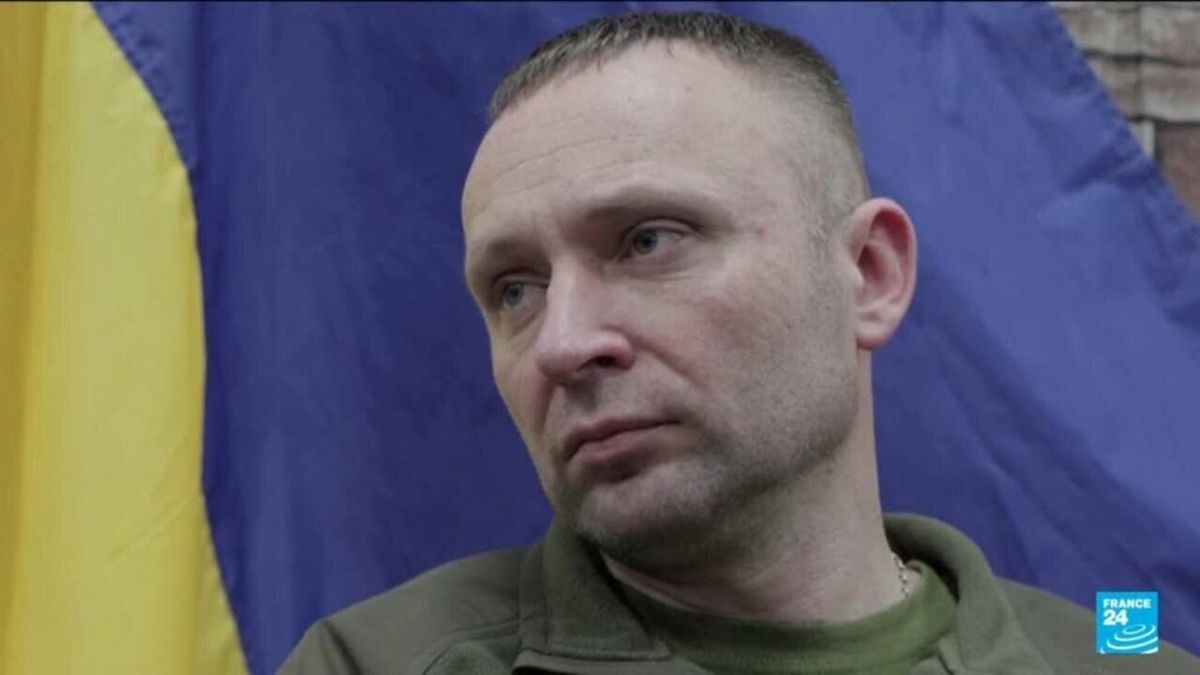
On July 22, 2026, Ukrainian President Volodymyr Zelensky announced a pivotal change in the nation's military leadership, replacing the Commander-in-Chief of the Armed Forces, Oleksandr Syrsky, with Mykhailo Drapaty. This decision, unfolding against a backdrop of widespread public protests across Ukraine, marks a critical juncture in the country's ongoing conflict and its internal political landscape. The move comes as the government faces increasing pressure from citizens expressing discontent over military strategies and perceived high casualty rates.
The dismissal of General Syrsky, who had led the Ukrainian armed forces, was directly attributed to "pressure from the streets," as reported by various outlets. Demonstrators had accused Syrsky of "wasting lives," indicating a profound public concern over the human cost of the protracted conflict and potentially questioning the efficacy of current military tactics. This public outcry has escalated into what observers describe as a "deepening political crisis" for President Zelensky's administration. The discontent is not isolated, with reports also mentioning growing "anger over [a] defence minister's dismissal," suggesting a broader dissatisfaction with the government's handling of the war effort and its leadership appointments. The timing of these protests and the subsequent leadership change underscores the delicate balance between wartime necessity, public morale, and political accountability in a nation under siege.
The appointment of Mykhailo Drapaty as the new commander-in-chief introduces an element of uncertainty and potential strategic reorientation for Ukraine. While specific details about Drapaty's background or his proposed strategic vision were not immediately available, his designation as "popular" by some reports suggests an attempt by President Zelensky to restore public confidence and potentially invigorate the military's morale. A change in top military command during active hostilities is a rare and significant event, often signaling a shift in operational priorities, a response to battlefield challenges, or an effort to inject new dynamism into the war effort. The expectation will be that Drapaty brings a fresh perspective to military planning, aiming to address the concerns raised by the public regarding casualty management and overall strategic effectiveness.
The leadership change carries substantial geopolitical implications, both domestically and internationally. Internally, the move is a direct response to a burgeoning political crisis, demonstrating President Zelensky's responsiveness to public sentiment, albeit under duress. Maintaining internal cohesion and public support is paramount for Ukraine's long-term resilience against external aggression. A fractured home front could undermine the war effort and complicate diplomatic initiatives.
From a military strategy standpoint, Drapaty's appointment could herald a re-evaluation of current operational approaches. Whether this translates into more aggressive offensives, a focus on defensive consolidation, or a shift in resource allocation remains to be seen. Any significant alteration in strategy will inevitably impact the dynamics of the conflict with Russia, potentially influencing the pace of operations, the nature of engagements, and the overall trajectory of the war.
Internationally, Ukraine's allies will closely monitor this transition. The stability of Ukraine's leadership and the perceived effectiveness of its military command are crucial factors influencing continued military and financial aid from Western partners. A smooth transition that demonstrably addresses public concerns and maintains military effectiveness could reinforce international confidence. Conversely, prolonged internal political instability or perceived strategic missteps could complicate efforts to secure sustained international support. The change also sends a signal to Russia, which will undoubtedly analyze the implications for Ukraine's resolve and military capabilities.
The replacement of Ukraine's commander-in-chief represents more than just a personnel change; it reflects a nation grappling with the immense pressures of war, public accountability, and the imperative to adapt its strategy. As Mykhailo Drapaty assumes command, the focus will be on his ability to unify the military, restore public trust, and navigate the complex strategic challenges posed by the ongoing conflict. The coming months will be critical in determining whether this leadership shift can effectively address the internal political crisis and bolster Ukraine's position on the battlefield.
Editor's Note: The raw article provided limited details on Mykhailo Drapaty's background or specific strategic vision, thus the analysis focuses on the implications of the leadership change itself rather than the new commander's specific profile.
Source referenced: FRANCE24
This brief was synthesized by our Editorial Engine and reviewed by The Ground Narrative team.