TRENDING

Thursday, 15 October 2026
----------------------
4 Jumada Al-Awwal 1448 AH
Ukrainian drone attacks on Russian oil refineries, extending deep into the country, have triggered widespread fuel shortages, disrupting daily life and challenging the Kremlin's narrative of stability. The campaign aims to degrade Russia's war-making capacity and exert economic pressure, leading to a notable dip in President Putin's approval ratings amidst growing public frustration.
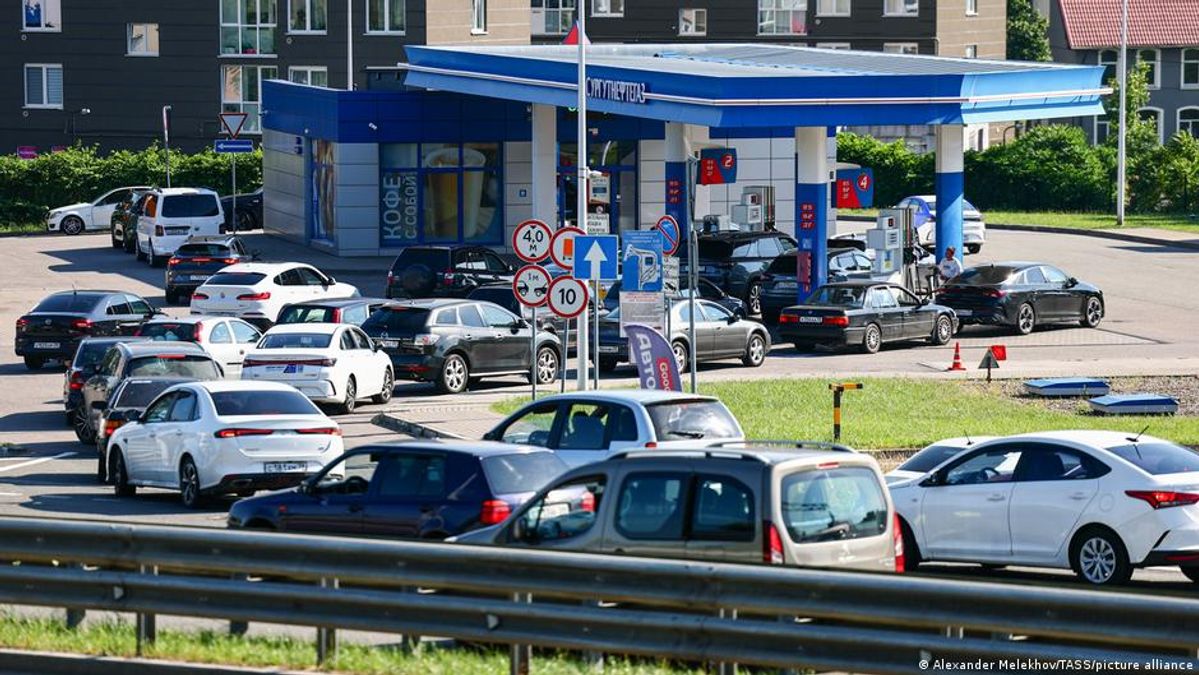
In recent months, Ukraine has significantly escalated its drone campaign against Russia's vital oil refining infrastructure, striking deep within Russian territory and causing widespread fuel shortages. This strategic shift represents a critical evolution in the conflict, aiming to disrupt Russia's war economy and logistics, while simultaneously generating domestic pressure on the Kremlin.
The campaign has seen Ukrainian forces target at least ten of Russia's largest oil refineries, stretching from the Leningrad region to Omsk, approximately 2,500 kilometers (1,550 miles) from the Ukrainian border. A notable strike on July 6 against the Omsk refinery underscored Ukraine's growing long-range strike capabilities and its intent to demonstrate that no part of Russia is entirely immune from attack. These persistent assaults have severely impacted Russia's refining capacity, with reports suggesting nearly one-third of the country's oil refineries are currently out of operation.
The direct consequence of these strikes has been a rapidly worsening fuel crisis across much of Russia. Citizens in various regions, including Kaliningrad, Gelendzhik, Chita, Irkutsk, and Krasnodar, are experiencing severe disruptions. Drivers face hours-long queues, sometimes extending for days, to refuel their vehicles. Many gas stations have closed, and the few remaining open struggle to meet demand, leading to scuffles and frustration among those waiting.
The crisis has forced significant changes in daily routines for ordinary Russians. Carpooling, increased reliance on public transportation, and even a surge in demand for bicycles and workhorses in rural areas highlight the severity of the situation. Taxi services are also feeling the pinch, with drivers working less frequently, canceling longer trips, and increasing fares. Reports of fuel being prioritized for "special vehicles," including those used by government officials, further underscore the unequal distribution and potential for social resentment.
Adding to the public's woes, resellers are reportedly exploiting the shortages by buying up gasoline and selling it at inflated prices, with some individuals selling their places in fuel queues for substantial sums, such as 35,000 rubles (€400/$460) in Chita.
The Russian government has largely downplayed the crisis, with national authorities denying a systemic fuel shortage. Deputy Prime Minister Alexander Novak attributed disruptions to individual gas stations and blamed "panic buying" and speculators for exacerbating the problem. Regional governors echoed this narrative, claiming retailers have fueled public anxiety. However, this official stance contrasts sharply with the lived experiences of citizens and even criticism from within the Duma. Nina Ostanina, a member of the lower house of parliament, publicly questioned the silence of agricultural and energy officials, warning that a lack of fuel ahead of the harvest could leave the country without grain, a dire prospect under international sanctions.
The fuel crisis, coupled with broader economic concerns, appears to be impacting public confidence in President Vladimir Putin. A poll conducted by the Russian Public Opinion Foundation (FOM) from June 19-21 indicated a drop in his approval rating from 74% to 69% in a single week, marking the lowest level since the full-scale invasion of Ukraine began. While economic anxieties are rising, a separate poll by the independent Levada Center in June suggested that support for the war itself has paradoxically increased, with a decline in calls for peace negotiations. This complex public sentiment indicates a growing disconnect between economic hardship and the broader perception of the conflict.
Ukraine's sustained campaign against Russian energy infrastructure carries significant geopolitical and strategic implications. Militarily, by targeting refineries, Kyiv aims to degrade Russia's ability to fuel its military operations, impacting logistics for ground forces, air assets, and naval vessels. The ability to strike targets thousands of kilometers from the border also demonstrates an evolving Ukrainian long-range strike capability, potentially forcing Russia to divert air defense assets from the front lines to protect critical infrastructure deep within its territory.
Economically, the fuel shortages add another layer of pressure to a Russian economy already grappling with international sanctions. Disruptions to transportation, agriculture, and small businesses can lead to inflation, reduced productivity, and increased public discontent. While the Kremlin attempts to manage the narrative, the tangible impact on daily life for millions of Russians could test the resilience of domestic support for the war over the long term. The crisis also highlights Russia's vulnerability despite its vast size and natural resources, as its critical infrastructure remains susceptible to targeted attacks. This strategy by Ukraine seeks to turn Russia's geographic expanse into a strategic disadvantage, forcing Moscow to contend with internal vulnerabilities while prosecuting a war abroad.
Source referenced: DW
This brief was synthesized by our Editorial Engine and reviewed by The Ground Narrative team.