TRENDING

Sunday, 4 October 2026
----------------------
23 Rabi' Al-Thani 1448 AH
Britain has formally protested to Iran after a court concluded that the stabbing of an Iranian journalist in London was carried out on behalf of the Iranian state. This diplomatic summoning underscores escalating tensions and concerns over foreign interference in UK sovereignty and security.
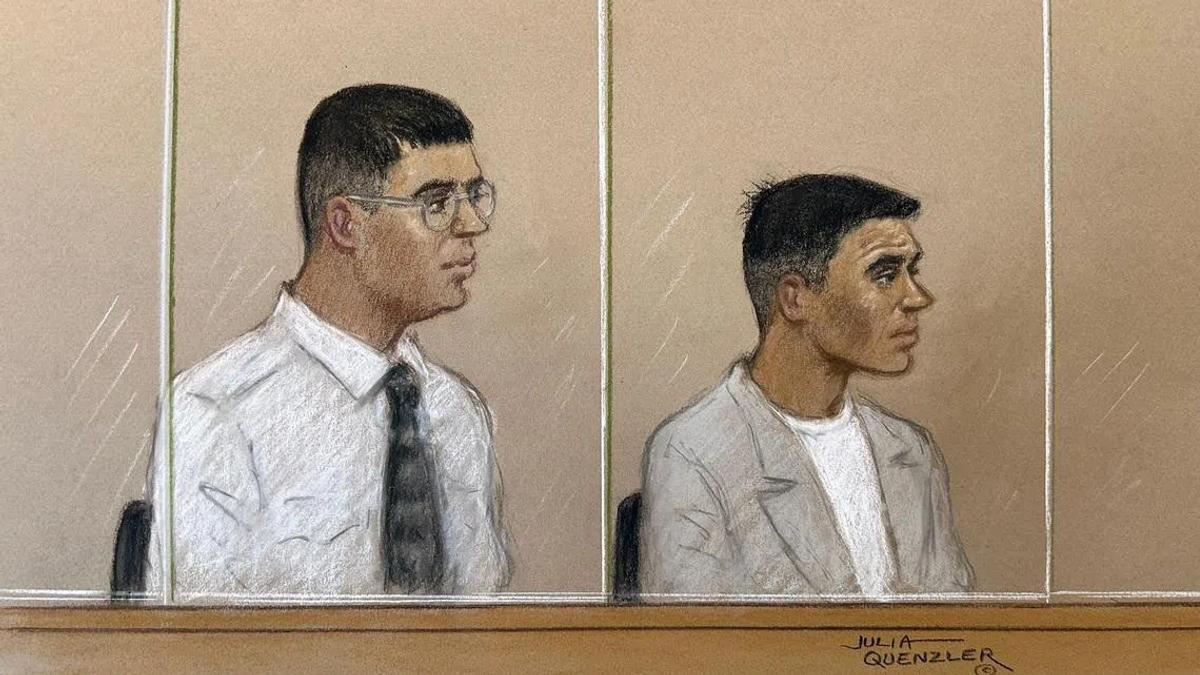
TheThe United Kingdom has escalated its diplomatic response to Iran following a British court's conclusion that the March 2024 stabbing of an Iranian journalist in London was orchestrated by the Iranian state. On July 7, 2026, Britain's Foreign Office summoned Iran's Chargé d’Affaires, Tehran's most senior diplomat in London, to formally protest what it described as a "longstanding pattern of hostile activity by the Iranian intelligence services on UK soil." This incident marks a significant deterioration in bilateral relations, highlighting profound concerns over national sovereignty, security, and the freedom of the press.
The core of the diplomatic dispute stems from the conviction and sentencing of two Romanian nationals, Nandito Badea, 21, and George Stana, 25, at London's Woolwich Crown Court. The men were found guilty of wounding with intent in June 2026 for their role in the attack on Pouria Zeraati, a British journalist of Iranian origin working for the Persian-language media group Iran International. Zeraati was stabbed three times in the leg near his home in Wimbledon, southwest London, in March 2024. British prosecutors asserted that Badea and Stana were acting as proxies for the Iranian government, a conclusion echoed by the presiding judge, who stated the attack "was carried out in the interests of, and on behalf of, the Iranian state." Badea received an eight-year jail sentence, while Stana was sentenced to 12 years.
The UK's decision to summon the Iranian diplomat is a potent signal of its condemnation and a demand for an immediate cessation of such activities. The British Foreign Office explicitly stated that "Iran’s actions attempt to undermine UK sovereignty and security and are completely unacceptable." This framing elevates the incident beyond a criminal act to a direct challenge to the United Kingdom's national integrity and its ability to protect its citizens and residents from foreign state-sponsored aggression.
The targeting of Pouria Zeraati, a journalist for Iran International, adds another critical dimension to the geopolitical implications. Iran International is a London-based news channel that provides coverage often critical of the Iranian government, making its journalists potential targets for reprisal. This incident underscores broader concerns about the safety of journalists and the freedom of expression, particularly for those reporting on authoritarian regimes from abroad. The alleged use of foreign nationals as proxies in such an attack also points to a sophisticated, albeit deniable, operational strategy by state intelligence services, aiming to project influence and silence dissent beyond their borders.
This is not an isolated incident but, as the British Foreign Office noted, part of a "longstanding pattern of hostile activity." British lawmakers had previously warned that Iran posed a "significant and wide-ranging threat" to Britain. Over recent years, UK security services have reportedly thwarted several plots by Iranian intelligence to kidnap or assassinate individuals perceived as threats to the regime on British soil. These incidents collectively paint a picture of an increasingly assertive Iranian intelligence apparatus operating internationally, challenging the sovereignty of host nations.
Iran, through its embassy in London, has vehemently rejected these "unfounded, politically motivated and hostile allegations," maintaining its denial of any involvement. This standard diplomatic denial, however, stands in stark contrast to the findings of a British court and the firm stance taken by the UK government.
The latest development further strains already fraught UK-Iran relations. These ties are historically complex, often oscillating between diplomatic engagement and severe tension, particularly concerning Iran's nuclear program, its regional activities, and human rights issues. An accusation of state-sponsored violence on British soil represents a significant low point, potentially leading to further diplomatic downgrades, increased sanctions, or enhanced counter-intelligence measures by the UK.
Beyond bilateral relations, this incident carries broader implications for international norms regarding state conduct. The principle of non-interference in the internal affairs of sovereign states is a cornerstone of international law. When a state is accused of orchestrating violence on another's territory, it challenges this fundamental principle and raises questions about the stability of international relations. The UK's firm response is intended not only to protect its own interests but also to uphold these international norms against state-sponsored aggression. The international community will be closely watching how this situation evolves and what further steps, if any, the UK might take to deter future hostile activities.
Source referenced: STRAITSTIMES
This brief was synthesized by our Editorial Engine and reviewed by The Ground Narrative team.


