TRENDING

Monday, 5 October 2026
----------------------
24 Rabi' Al-Thani 1448 AH
British forces have seized the oil tanker 'SMYRTOS' in the English Channel, marking the first such operation against Russia's sanctioned 'shadow fleet.' This action signifies a significant escalation in Western efforts to disrupt Moscow's war financing and enforce economic sanctions.
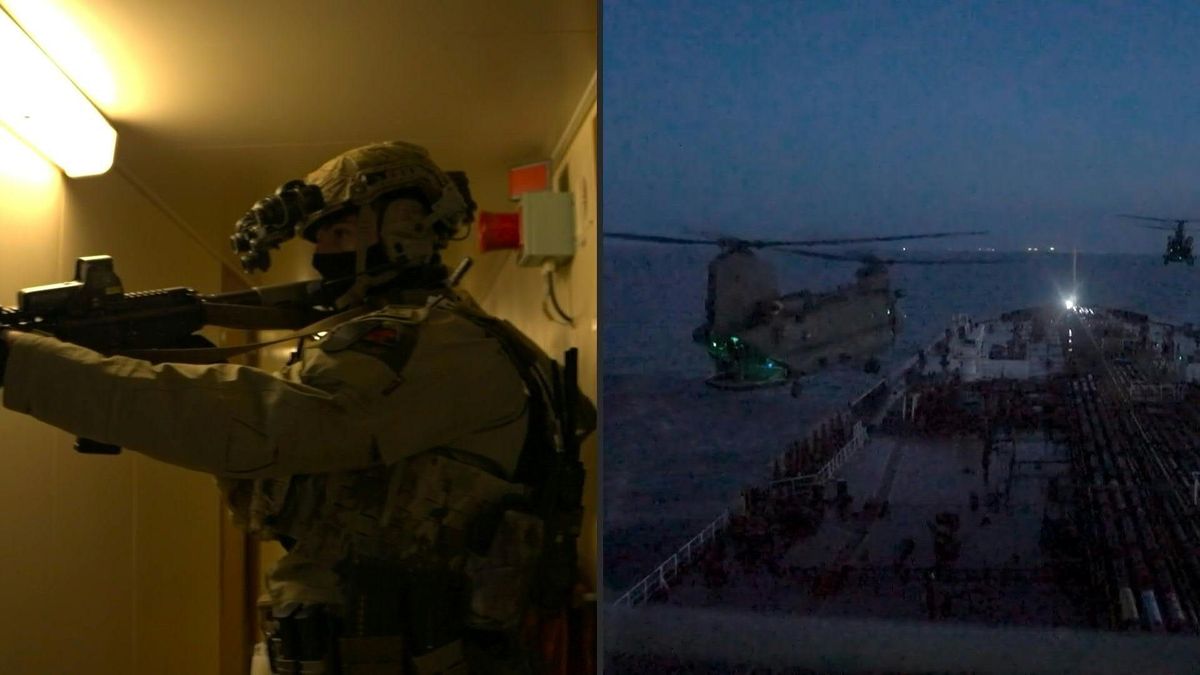
On June 14, 2026, British armed forces executed an unprecedented operation in the English Channel, intercepting and seizing the oil tanker 'SMYRTOS.' This vessel is suspected of being part of Russia's 'shadow fleet,' a clandestine network of ships allegedly used to circumvent international sanctions imposed following Russia's full-scale invasion of Ukraine. The seizure represents a significant escalation in the economic warfare against Moscow, directly targeting its ability to finance ongoing military operations.
Since February 2022, a coalition of Western nations, including the United Kingdom, has implemented extensive sanctions against Russia, targeting its financial institutions, key industries, and particularly its lucrative energy sector. These measures aim to cripple Russia's economy and diminish its capacity to fund the war in Ukraine. A cornerstone of these sanctions has been a price cap on Russian oil, alongside bans on importing Russian crude and refined products by various countries.
In response, Russia has developed what is widely known as the 'shadow fleet' or 'dark fleet.' This fleet comprises hundreds of older vessels, often operating under opaque ownership structures, frequently changing flags, and utilizing deceptive shipping practices to obscure their origins and destinations. Many of these ships are believed to be inadequately insured or operating without proper international certification, posing significant environmental and safety risks. The primary purpose of this shadow fleet is to transport Russian oil and gas globally, bypassing Western sanctions and price caps, thereby ensuring a continued revenue stream for the Kremlin.
The seizure of the 'SMYRTOS' in the English Channel by British forces is notable for being the first operation of its kind by the British military. The English Channel is one of the world's busiest shipping lanes, a critical artery for global trade. The decision to intercept a vessel in such a strategic waterway underscores the UK's resolve to enforce sanctions aggressively and directly challenge Russia's circumvention tactics. While the specific legal basis for the seizure has not been fully detailed, it likely falls under national legislation empowering authorities to act against entities violating international sanctions.
This action moves beyond traditional financial sanctions and asset freezes, venturing into direct maritime interdiction. It signals a shift towards more proactive and potentially confrontational methods of sanctions enforcement, aiming to physically disrupt the logistical networks that sustain Russia's war economy.
Setting a Precedent: The 'SMYRTOS' seizure could establish a significant precedent for other nations committed to enforcing sanctions against Russia. If successful and legally robust, it might encourage other Western allies to undertake similar operations, increasing the operational risks and costs for Russia's shadow fleet. This could lead to a more coordinated and aggressive approach to maritime sanctions enforcement globally.
Impact on Russia's War Economy: By directly targeting a vessel suspected of facilitating illicit oil trade, the UK aims to reduce Russia's ability to generate revenue. While a single seizure will not cripple Russia's vast oil exports, a sustained campaign against the shadow fleet could significantly complicate Moscow's logistics, increase its shipping costs, and reduce the profitability of its oil sales. This directly impacts Russia's capacity to fund its military and sustain its war effort in Ukraine.
Maritime Security and International Law: The operation in the English Channel, a vital international strait, raises questions about the evolving landscape of maritime security and the application of international law in enforcing economic sanctions. While nations have sovereign rights within their territorial waters, the implications for international shipping lanes and the potential for disputes over jurisdiction could become more pronounced if such interdictions become more frequent. This action highlights the tension between freedom of navigation and the imperative of enforcing international sanctions.
UK-Russia Relations: This direct intervention will undoubtedly further strain already severely deteriorated relations between the United Kingdom and Russia. Moscow is likely to condemn the action as an act of aggression and a violation of international law, potentially leading to retaliatory measures or increased diplomatic friction.
The effectiveness of such operations hinges on intelligence gathering, legal frameworks, and the capacity for sustained enforcement. Identifying and tracking shadow fleet vessels, which often employ sophisticated methods to evade detection, remains a significant challenge. Russia, in turn, may adapt its strategies, further obscuring ownership, changing routes, or seeking new partners to maintain its illicit trade.
This seizure marks a new phase in the economic pressure campaign against Russia. It underscores the determination of Western powers to escalate their efforts beyond financial penalties to direct physical interdiction. The long-term success of this strategy will depend on the consistency of enforcement, international cooperation, and the ability to counter Russia's adaptive measures, with potential far-reaching implications for global maritime commerce and the future of sanctions enforcement.
Source referenced: ALJAZEERA
This brief was synthesized by our Editorial Engine and reviewed by The Ground Narrative team.


