TRENDING

Sunday, 13 September 2026
----------------------
2 Rabi' Al-Thani 1448 AH
Swiss citizens have decisively rejected a proposal to cap the national population at 10 million, prioritizing economic stability and crucial ties with the European Union. The vote avoids a potential 'Swexit' scenario, signaling a commitment to open borders for labor despite widespread concerns over immigration.
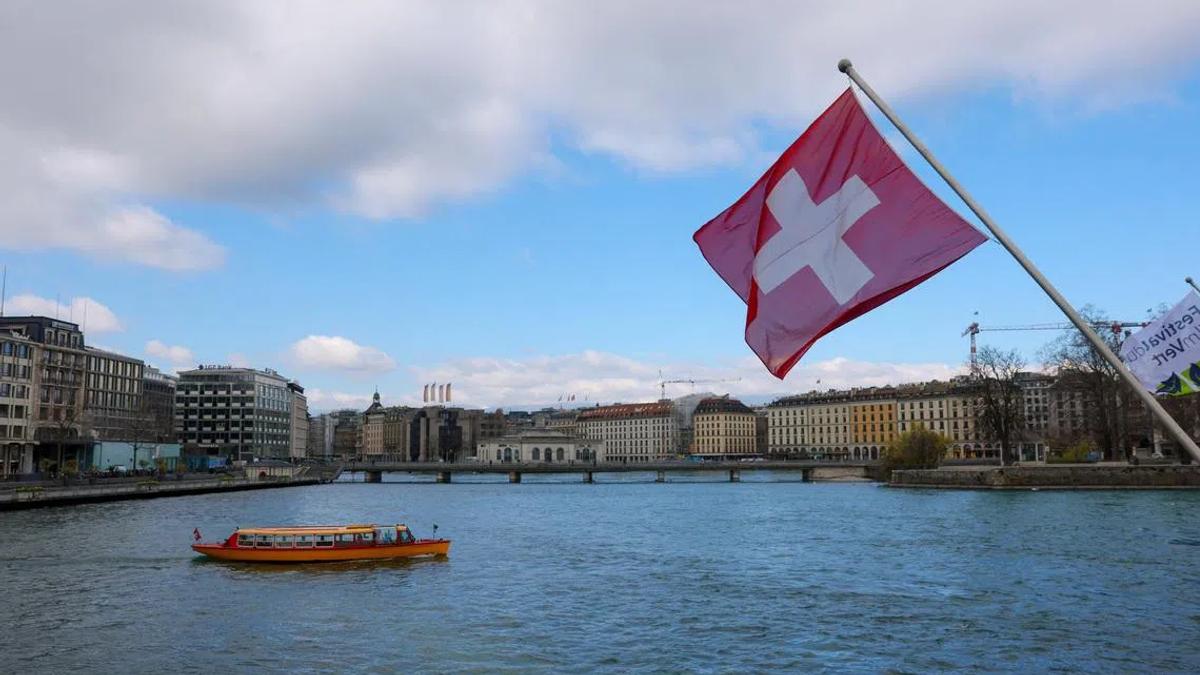
On June 14, 2026, Swiss voters made a pivotal decision, rejecting a proposal to cap the country's population at 10 million. This referendum, championed by the right-wing Swiss People's Party (SVP), sought to address concerns over rapid population growth, which currently stands at 9.1 million, with nearly 28 percent of residents being foreign-born. The initiative proposed that if the population exceeded 10 million for two consecutive years before 2050, Switzerland should terminate its free movement of labor agreement with the European Union (EU).
The outcome, with approximately 55 percent of voters opposing the cap and 45 percent in favor, represents a significant affirmation of Switzerland's existing economic model and its intricate relationship with the EU. While concerns about immigration's strain on public services and rising rents are acknowledged as widespread, the electorate ultimately prioritized the potential negative consequences of such a cap on the nation's economy and its international standing.
The rejection of the population cap was driven by several strategic considerations. Foremost among these was the preservation of economic stability. Business groups had vociferously warned that a population cap would severely limit access to foreign workers, essential for various sectors, and inflict substantial damage on the Swiss economy. Switzerland, a small but highly developed nation, relies heavily on a skilled international workforce to maintain its competitive edge and support its robust service industries, including healthcare and hospitality. The prospect of labor shortages, particularly in critical areas like care and health services, weighed heavily on voters' minds, as highlighted by migration experts.
Secondly, the vote underscored Switzerland's commitment to maintaining strong ties with the European Union. The EU is Switzerland's primary trading partner, and the free movement of labor agreement is a cornerstone of their bilateral relationship. The proposal's explicit link to scrapping this accord if the population cap was breached raised fears of a potential 'Swexit' – a scenario likened to Britain's 2016 Brexit vote. Opponents of the cap explicitly cautioned against clashing with Brussels, especially following a challenging 2025 that saw the imposition of US tariffs on Swiss goods. The 'No' campaign effectively leveraged these anxieties, reminding voters of the potential diplomatic and economic isolation that could ensue from severing ties with its largest economic bloc.
Furthermore, there was a pragmatic assessment of the feasibility and wisdom of the plan itself. Polling firm GFS Bern indicated that while concern about population growth is prevalent, voters were not convinced by the SVP's proposed solution and were wary of its potential side effects. The sentiment that it was "not sensible for a small country to do this" in the current international environment also played a role, suggesting a collective desire to avoid unnecessary geopolitical friction.
The referendum's outcome also illuminated a notable domestic political divide. While the SVP's initiative garnered substantial support in rural areas, it was ultimately defeated by urban voters. This pattern often reflects differing economic realities and exposure to international labor markets, with urban centers typically more reliant on and integrated with global talent flows. Despite the rejection, SVP President Marcel Dettling affirmed the party's intent to continue advocating for "sensible immigration," indicating that population and immigration policies will remain a significant topic in Swiss domestic politics.
In a broader European context, Switzerland's decision stands out. The vote occurred amidst growing support for policies aimed at curbing immigration across Europe, where anti-immigrant sentiment has been on the rise in several countries. Switzerland's rejection of a hard population cap, therefore, sends a distinct signal: that for this non-EU member state, economic pragmatism and the preservation of international agreements currently outweigh isolationist tendencies, even in the face of public concerns about demographic shifts. The high voter turnout of 58 percent, well above the average for Swiss referendums, underscores the profound public interest and the perceived high stakes of this decision.
The rejection of the population cap solidifies Switzerland's current trajectory as an open, internationally connected economy. It reinforces the nation's commitment to its bilateral agreements with the EU, ensuring continued access to a vital labor pool and maintaining stable trade relations. While the underlying concerns about population growth and immigration persist, the referendum demonstrates that Swiss voters, when faced with a direct choice, prioritize economic stability and diplomatic continuity over more radical measures that could jeopardize the country's prosperity and international standing. This decision is likely to be viewed positively by international business communities and by Brussels, signaling Switzerland's continued reliability as a partner in a complex global landscape.
Source referenced: STRAITSTIMES
This brief was synthesized by our Editorial Engine and reviewed by The Ground Narrative team.


