TRENDING

Saturday, 24 October 2026
----------------------
13 Jumada Al-Awwal 1448 AH
President Trump's ability to purge his party of perceived opponents has drawn parallels with FDR's failed attempt to do the same in 1938. But what are the implications for the GOP's future?
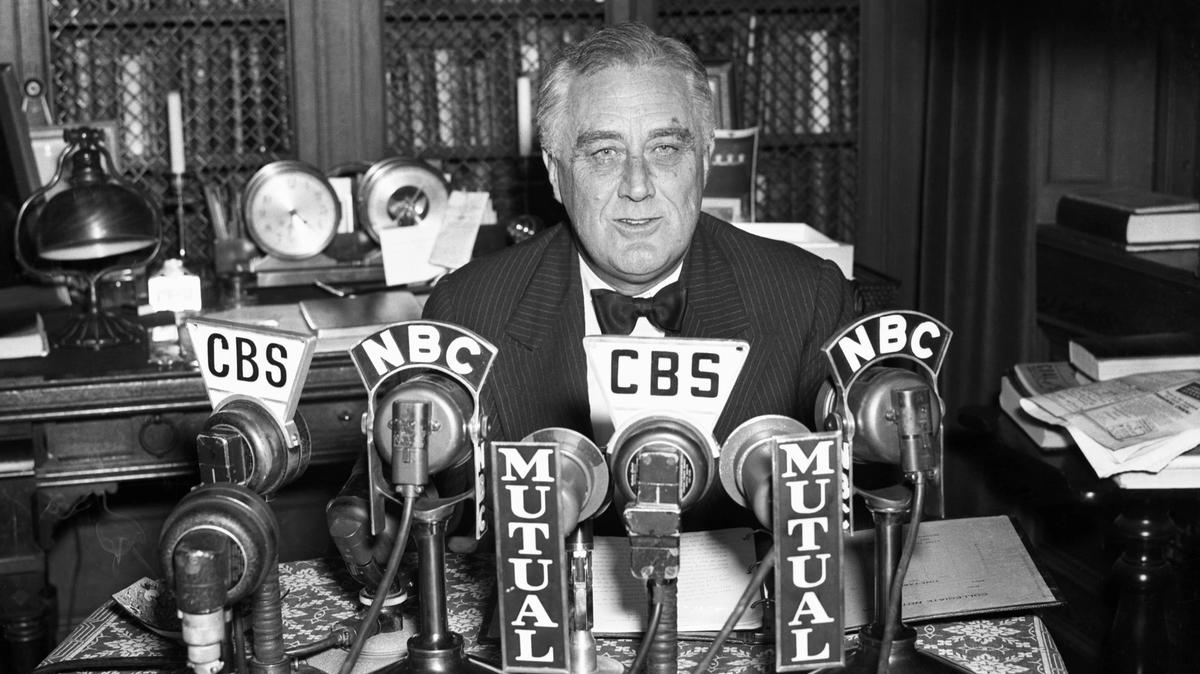
President Donald Trump's recent success in purging his party of perceived opponents has drawn parallels with President Franklin D. Roosevelt's failed attempt to do the same in 1938. While Trump's ability to retain firm support within the Republican Party is a testament to his strength as a party leader, it also raises concerns about the long-term implications for the GOP's future.
In 1938, FDR attempted to purge the Democratic Party of conservative Southern legislators who were obstructing his New Deal agenda. However, his efforts ultimately backfired, empowering the very forces he was trying to stop. This paradox highlights the complexities of party politics and the dangers of underestimating the power of opposition.
Trump's recent primary victories, including the defeat of Rep. Thomas Massie in Kentucky and Sen. Bill Cassidy in Louisiana, demonstrate his ability to punish opponents and maintain a firm grip on the party. However, this success may come at a cost, as Trump's divisive rhetoric and policies continue to alienate key segments of the electorate.
The implications of Trump's primary purge extend beyond the Republican Party itself. The increasing polarization of American politics and the erosion of trust in institutions threaten the very fabric of democracy. As the country becomes more divided, the need for constructive dialogue and compromise becomes increasingly urgent.
The long-term consequences of Trump's primary purge are uncertain, but one thing is clear: the Republican Party will continue to grapple with the legacy of Trump's leadership. As the party navigates the complexities of post-Trump politics, it will be essential to balance the need for unity with the imperative of addressing the concerns of a rapidly changing electorate.
Trump's primary purge has drawn parallels with FDR's failed attempt to purge the Democratic Party in 1938. While Trump's success may be a testament to his strength as a party leader, it also raises concerns about the long-term implications for the GOP's future. As the party navigates the complexities of post-Trump politics, it will be essential to balance the need for unity with the imperative of addressing the concerns of a rapidly changing electorate.
Source referenced: FOREIGNPOLICY
This brief was synthesized by our Editorial Engine and reviewed by The Ground Narrative team.