TRENDING

Thursday, 22 October 2026
----------------------
11 Jumada Al-Awwal 1448 AH
US President Donald Trump's threat to capture Kharg Island, a vital Iranian energy infrastructure hub, and subsequent reversal highlights the complexities and risks of the ongoing Iran war.
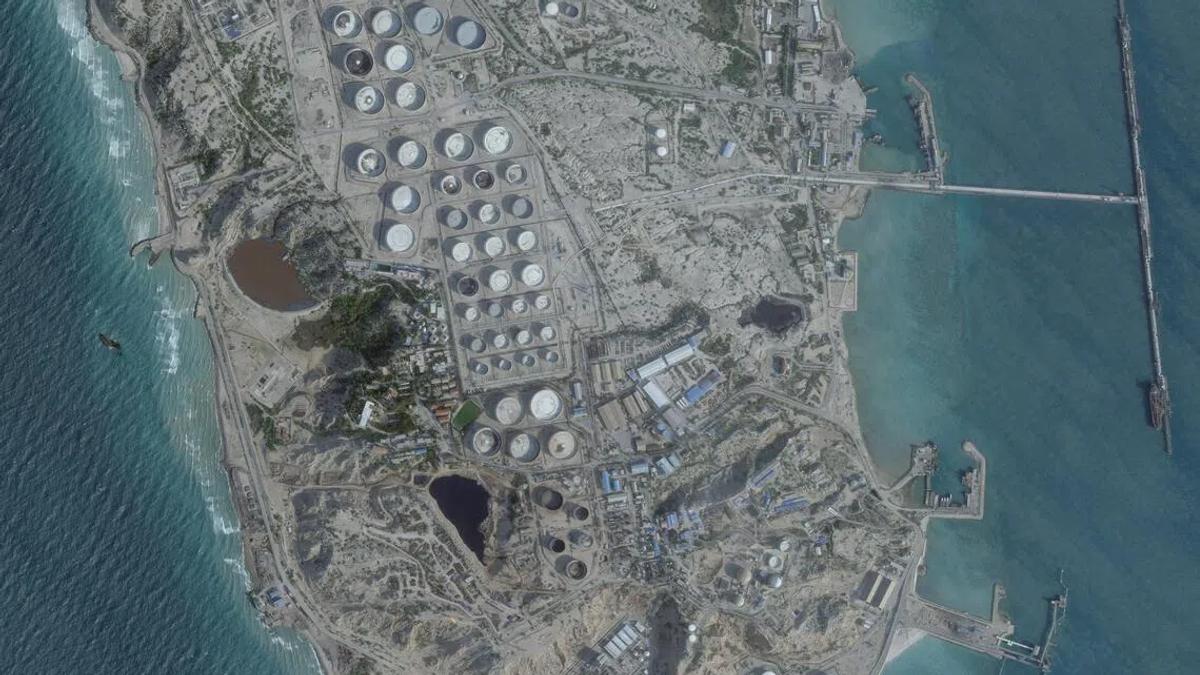
The recent threat by US President Donald Trump to capture Kharg Island, a critical oil export terminal in Iran, and his subsequent reversal, underscores the high-stakes nature of the ongoing Iran war. The island, which handles the vast majority of Iran's oil exports, represents a tantalizing target for Trump, offering a direct means to squeeze the Tehran regime economically and deprive it of a critical source of revenue.
Trump's threat to seize Kharg Island reflects a tension at the center of his approach to Iran. As the war drags on with no end in sight, the president is floating increasingly aggressive options while signaling he understands the domestic political risks of carrying them out. The Kharg threat also highlights the extent to which Trump's rhetoric can outrun reality, with Tehran more willing to keep up the fight and wait out a president looking for an exit.
The Iran war has been marked by a series of escalations and de-escalations, with Trump repeatedly suggesting that a breakthrough was imminent, only for negotiations to stall and fighting to resume. This pattern of behavior has raised questions about the president's strategy and the effectiveness of his approach.
A seizure of Kharg Island would pose significant risks for American troops and further entrench the US in the conflict. The operation would require American troops on the ground, crossing a threshold Trump spent years promising voters he would avoid. The seizure would also trigger further tumult in oil markets, with potential consequences for global energy prices.
The fact that Trump continues raising the Kharg threat publicly highlights how few attractive options remain as a war he once suggested could be resolved quickly shows no signs of ending. Iran has repeatedly warned that any attempt to seize sovereign territory would trigger a major retaliation, raising the prospect of a broader regional conflict and potentially drawing the US deeper into the war with additional American casualties.
The president's frustration has become increasingly visible, particularly as public support for the war remains weak and Republicans increasingly worry about its political costs before November's midterm elections. A ground operation inside Iran would be difficult to reconcile with Trump's campaign promise to end foreign wars and keep American troops out of prolonged overseas conflicts.
The Kharg Island threat and reversal serve as a reminder of the complexities and risks of the ongoing Iran war. As the conflict drags on, the US and Iran appear to be locked in a high-wire act, with each side digging in and waiting for the other to blink. The consequences of a miscalculation or escalation could be severe, with potential consequences for regional stability, global energy markets, and American domestic politics.
Editor's Note: The analysis is based on publicly available information and may not reflect the full range of strategic considerations and motivations involved in the Iran war.
Source referenced: STRAITSTIMES
This brief was synthesized by our Editorial Engine and reviewed by The Ground Narrative team.