TRENDING

Friday, 16 October 2026
----------------------
5 Jumada Al-Awwal 1448 AH
Spain's decision to ban a DR Congo World Cup warm-up due to Ebola fears raises questions about the country's stance on global health security and its implications for international relations.
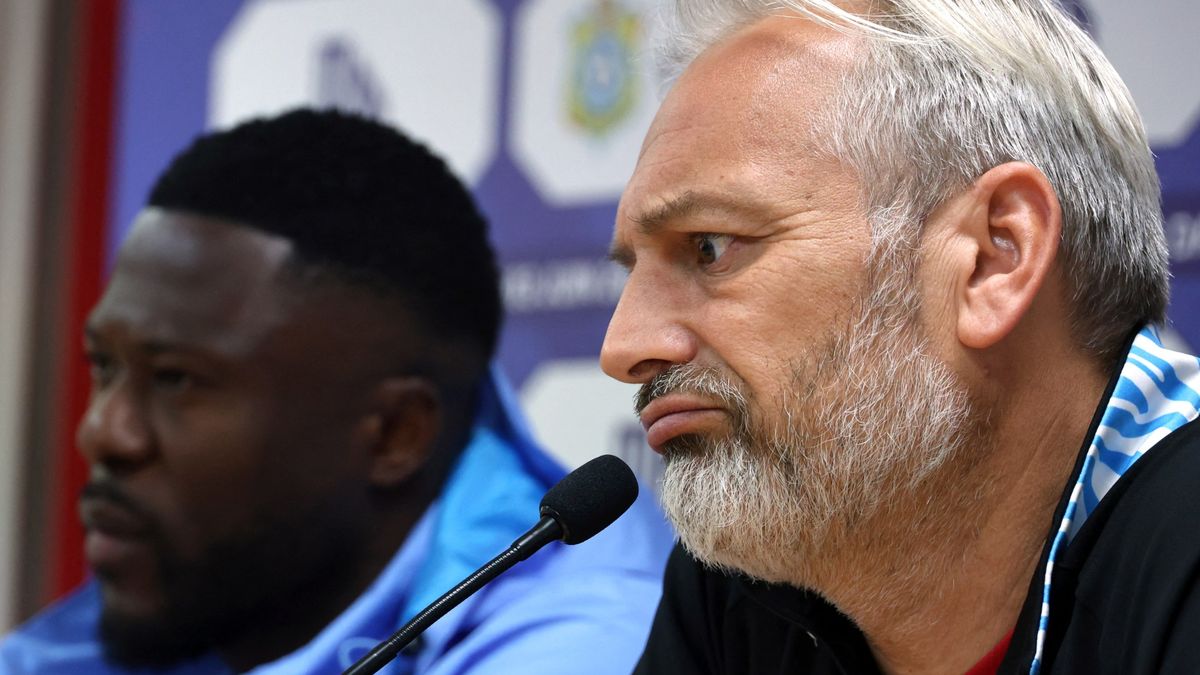
The Democratic Republic of Congo (DRC) has been grappling with an Ebola outbreak since mid-May, prompting concerns about the potential spread of the highly contagious haemorrhagic fever. The World Health Organization (WHO) has declared the outbreak a Public Health Emergency of International Concern (PHEIC), highlighting the need for coordinated global efforts to contain the virus.
In response to the outbreak, the mayor of La Linea de la Concepcion in southern Spain has banned a pre-World Cup friendly involving the DRC national team, citing health concerns. This decision is seen as a precautionary measure, with the mayor following recommendations from the Andalusia regional government's health service. The move is also in line with the DRC's own protocols, which have been laid out by the host nations for the World Cup.
The cancellation of the match raises questions about the broader implications for international relations and global health security. The DRC's participation in the World Cup has been a significant event, with the team set to play in the United States, Canada, and Mexico. The Ebola outbreak has already led to concerns about the potential spread of the virus, with US authorities requiring the team to isolate for 21 days before entering the country.
Spain's decision to ban the match can be seen as a cautious approach to global health security, reflecting the country's concerns about the potential risks associated with the Ebola outbreak. This move may also be seen as a response to the growing global awareness of the need for coordinated efforts to contain infectious diseases. The DRC's participation in the World Cup has been a significant event, with the team's qualification for the tournament marking a major milestone in the country's football history.
The cancellation of the match highlights the complexities of global health security and the need for coordinated efforts to contain infectious diseases. The decision also raises questions about the implications for international relations, with the DRC's participation in the World Cup being a significant event. The move may be seen as a precautionary measure, but it also reflects the growing global awareness of the need for coordinated efforts to contain infectious diseases.
Editor's Note: The implications of this move are still emerging, and it remains to be seen how other countries will respond to similar health concerns in the future.
Source referenced: ALJAZEERA
This brief was synthesized by our Editorial Engine and reviewed by The Ground Narrative team.