TRENDING

Monday, 19 October 2026
----------------------
8 Jumada Al-Awwal 1448 AH
A fast-moving wildfire in France's Var region has forced evacuations and destroyed homes, highlighting the increasing frequency and intensity of climate-driven disasters. The incident underscores the growing strain on national emergency services and the broader geopolitical implications of climate change on European stability and resource allocation.
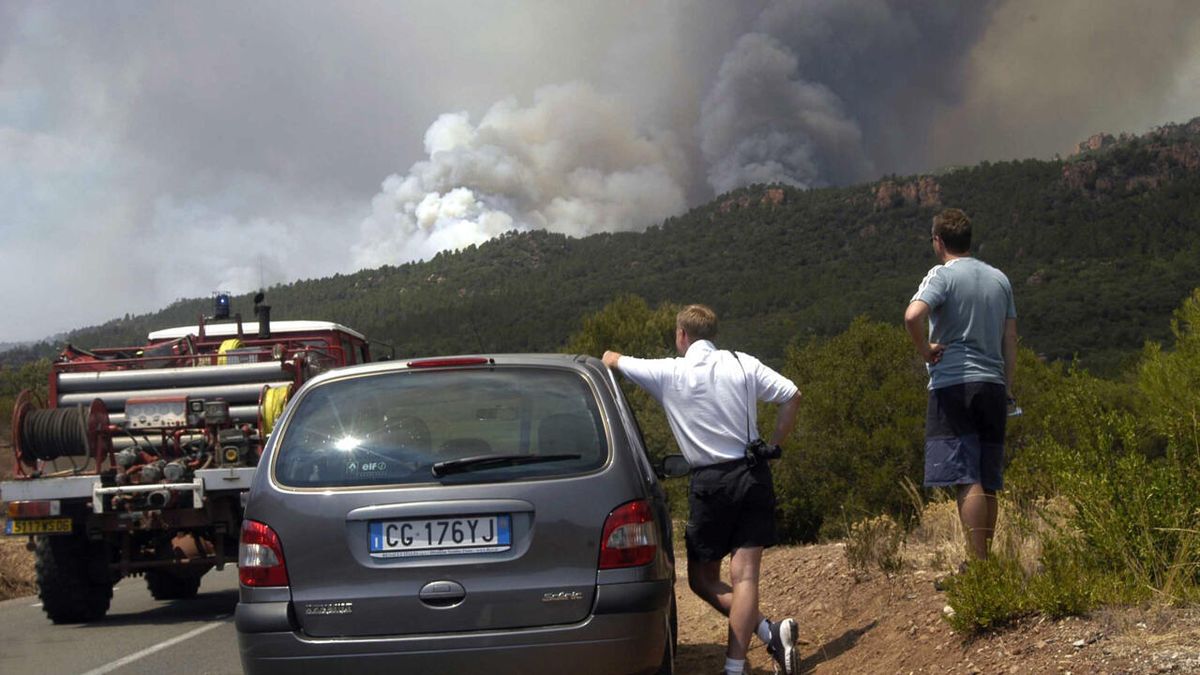
On Sunday, July 20, 2026, a fast-moving wildfire erupted near Draguignan in France's Mediterranean Var region, forcing the evacuation of dozens of residents and causing significant material damage. Fanned by strong winds and exceptionally dry vegetation—conditions exacerbated by an ongoing heatwave that saw temperatures exceed 40 degrees Celsius—the blaze rapidly consumed approximately 200 hectares (nearly 500 acres) of land. The immediate impact was severe: 10 homes were destroyed, nine others sustained damage, and one firefighter suffered minor injuries. Authorities swiftly deployed over 600 firefighters, supported by a fleet of water-bombing aircraft, including five Canadair bombers, four firefighting helicopters, and two Dash aircraft, to combat the inferno. The scale of the response underscores the immediate threat posed to communities and natural landscapes.
The fire's rapid progression, initially scorching 60 hectares in Taradeau before jumping to Les Arcs-sur-Argens and consuming an additional 120 hectares in under two hours, necessitated the evacuation of 150 people. Roads leading into Les Arcs-sur-Argens were closed, and rail traffic between Toulon and Les Arcs was suspended, disrupting vital transportation links along the Mediterranean coast. This incident is not isolated; it follows other significant wildfires in France, such as the one near Fontainebleau, and across Europe, including a 13,000-hectare blaze in central Spain's Guadalajara province, signaling a broader pattern of escalating environmental challenges.
The wildfire in the Var region serves as a stark reminder of the increasing vulnerability of southern Europe to the impacts of climate change. The persistent heatwaves, prolonged periods of drought, and strong winds create an ideal environment for wildfires to ignite and spread rapidly. The Mediterranean basin, a biodiversity hotspot and a major tourist destination, is particularly susceptible to these phenomena. The frequency and intensity of such events are projected to increase, posing long-term threats to ecosystems, human settlements, and regional economies heavily reliant on agriculture and tourism.
This recurring pattern of extreme weather events transforms local disasters into a significant regional and, by extension, geopolitical concern. As climate change continues to alter weather patterns, nations across Europe and globally face the imperative to adapt their infrastructure, emergency response capabilities, and land management strategies. The Var fire, while geographically contained, is a micro-illustration of a macro-problem that demands a coordinated, international response to mitigation and adaptation efforts.
The deployment of over 600 firefighters and a substantial aerial fleet highlights the immense strain placed on national emergency services. Reinforcements from four neighboring departments were crucial in the containment efforts, demonstrating the importance of inter-departmental cooperation within France. However, as these events become more frequent and widespread, the capacity of national resources to respond effectively to multiple simultaneous crises could be severely tested. This raises questions about national resilience, strategic resource allocation, and the potential need for greater European-level coordination and resource pooling for disaster response.
For a nation like France, a key player in the European Union and a G7 economy, the diversion of significant resources to combat natural disasters can have broader implications. While not directly impacting military readiness in this instance, a sustained increase in such events could necessitate re-evaluating national budgets, potentially impacting other strategic priorities. The economic cost of damage, recovery, and prevention measures will continue to rise, adding pressure on public finances and potentially influencing national economic policy.
The economic repercussions of the Var wildfire extend beyond the immediate destruction of homes. The disruption of rail traffic along the Mediterranean coast impacts trade and tourism, particularly during the peak summer season. The Var region, known for its picturesque landscapes and coastal attractions, relies heavily on tourism. Repeated incidents of this nature can deter visitors, leading to long-term economic setbacks for local communities and the broader regional economy. Furthermore, the costs associated with rebuilding infrastructure, providing aid to displaced populations, and implementing preventative measures represent a significant financial burden.
Beyond the economic toll, there is a profound societal impact. The displacement of residents, the loss of homes, and the psychological trauma associated with such events underscore the human cost of climate change. Ensuring the safety and well-being of citizens, protecting critical infrastructure, and fostering community resilience become paramount national security and public interest concerns. The long-term implications necessitate comprehensive urban planning, forest management, and public awareness campaigns to mitigate future risks.
The wildfire in southern France, while a localized disaster, serves as a potent symbol of the global climate crisis and its far-reaching geopolitical implications. Climate change is increasingly recognized as a threat multiplier, exacerbating existing vulnerabilities, potentially contributing to resource scarcity, and even influencing migration patterns in the long term. For developed nations like France, the challenge lies in protecting their populations and economies while also contributing to global efforts to reduce emissions and support climate adaptation in more vulnerable regions worldwide.
This event reinforces the urgent need for robust international cooperation on climate policy, disaster preparedness, and scientific research. As extreme weather events become the new normal, the capacity of individual nations to cope will be tested, potentially necessitating greater cross-border assistance and shared strategic approaches within multilateral frameworks like the European Union. The Var wildfire, therefore, is not merely a local news story; it is a critical indicator of the evolving global security landscape shaped by environmental change, demanding strategic foresight and collaborative action from the international community.
Source referenced: FRANCE24
This brief was synthesized by our Editorial Engine and reviewed by The Ground Narrative team.