TRENDING

Monday, 19 October 2026
----------------------
8 Jumada Al-Awwal 1448 AH
China is mulling new export controls on critical technologies like AI, biomedicine, and solar power. This move signals a significant escalation in the global tech competition, with far-reaching consequences for economies and ordinary citizens worldwide.
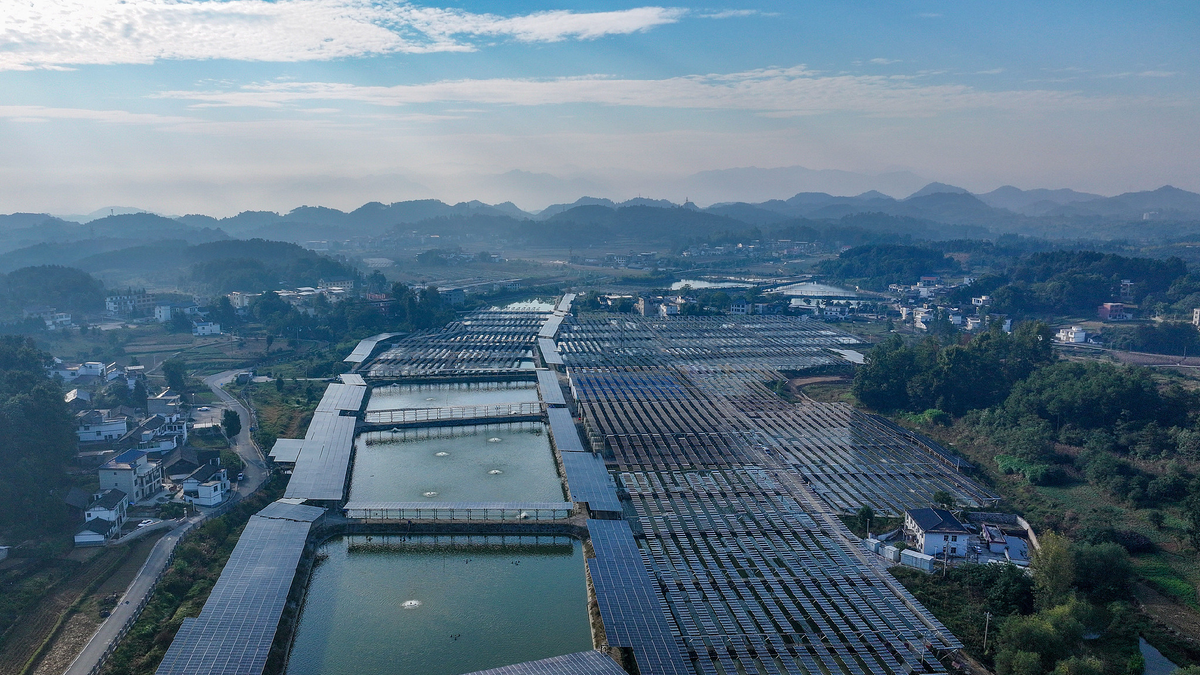
Chinese authorities have initiated a public consultation process to revise their export control list, proposing the inclusion of key technologies across artificial intelligence (AI), biomedicine, and photovoltaics (solar energy). This regulatory shift, spearheaded by the Ministry of Commerce and the Ministry of Science and Technology, would mandate exporters to register these specific technologies before they can be shipped internationally. The consultation period, running from October 16 to November 15, 2026, signals a formal step towards China exerting greater state control over its advanced technological output.
This proposed expansion of export controls by China is not an isolated incident but a calculated move within an escalating global tech competition. It represents a mirror image of strategies previously deployed by Western nations, particularly the United States, which has increasingly restricted China's access to advanced semiconductors, manufacturing equipment, and other critical technologies. By controlling its own technological exports, China aims to achieve several strategic objectives, fundamentally reshaping the balance of power in key future industries.
First, it's about economic leverage. China has become a dominant force in the global supply chains for solar energy, producing a vast majority of the world's solar panels and components. Similarly, its advancements in AI and its growing role in biomedical research and manufacturing give it significant influence. Imposing export controls on these sectors transforms these technologies from mere commodities into strategic assets, granting Beijing considerable bargaining power in international relations. Nations dependent on Chinese solar technology for their renewable energy transitions, or on Chinese biomedical components for their healthcare systems, could find themselves in a vulnerable position, subject to Beijing's political will.
Second, the move underscores China's relentless drive for technological self-reliance and the protection of its indigenous innovations. Initiatives like "Made in China 2025" and the "dual circulation" strategy emphasize reducing dependence on foreign technologies while simultaneously fostering domestic innovation and consumption. By restricting the export of cutting-edge AI algorithms, advanced biomedical processes, or proprietary solar cell designs, China seeks to prevent competitors from easily acquiring, reverse-engineering, or replicating its technological advancements. This protects its intellectual property and maintains its competitive edge in these critical, high-growth sectors, which are seen as foundational to future national power and economic prosperity.
Third, these controls serve a national security imperative. In an era where technological supremacy is increasingly intertwined with military and strategic advantage, controlling the flow of dual-use technologies (those with both civilian and military applications) becomes paramount. AI, for instance, has profound implications for defense systems, surveillance, and cyber warfare. Biomedicine can be critical for national health security and biodefense. Photovoltaics, while primarily civilian, are crucial for energy independence and infrastructure resilience. By regulating their export, China ensures that its technological prowess does not inadvertently empower potential adversaries or compromise its own strategic interests.
Finally, this action reflects a broader trend of fragmentation in the global economy. The post-Cold War era saw an emphasis on interconnected supply chains and free trade, aiming for efficiency and cost reduction. However, geopolitical tensions have shifted this paradigm towards de-risking and friend-shoring, where nations prioritize secure supply chains and align with trusted partners. China's export controls are a direct response to this shift, signaling its intention to play by the new rules of strategic competition, even if it means sacrificing some degree of global economic integration for national strategic advantage.
While framed as a matter of national strategic interest, China's proposed export controls carry significant human costs that will ripple across continents, affecting ordinary citizens, developing economies, and the global pursuit of critical goals like climate action and public health.
Many developing nations, particularly in the Global South, rely heavily on affordable Chinese solar technology to power their clean energy transitions. China's dominance in manufacturing has made solar panels and related components accessible, enabling countries with limited resources to invest in renewable energy infrastructure. Should these export controls be implemented broadly, these nations could face higher costs, slower project timelines, or even outright delays in deploying solar farms and decentralized energy solutions. This directly impacts their ability to meet climate targets, reduce reliance on fossil fuels, and provide reliable, affordable electricity to their populations. For communities in remote areas, where solar power often represents the most viable path to electrification, these restrictions could mean prolonged energy poverty and a slower pace of development.
Restrictions on biomedical technologies could have profound implications for global health. From diagnostic tools and medical devices to active pharmaceutical ingredients and advanced research equipment, the world's healthcare ecosystem is deeply interconnected. If China limits access to its biomedical innovations or components, it could disrupt global supply chains for essential medicines, slow down collaborative research efforts on diseases, and increase the cost of healthcare services. Patients in countries dependent on Chinese biomedical products might face delays in receiving critical treatments or see the prices of life-saving interventions rise. For researchers and startups globally, potential barriers to accessing Chinese technology could stifle innovation, delaying breakthroughs that could benefit millions.
Ultimately, the costs often trickle down to the everyday consumer. Higher prices for solar installations, smart devices, or medical equipment that rely on these controlled technologies could become a reality. This inflation would disproportionately affect lower-income households and communities. Furthermore, industries in countries that previously imported these technologies freely may struggle to adapt, potentially leading to job losses or the need for costly retooling and reskilling programs. The economic ripple effect could impact sectors far beyond the immediate technology sphere, creating uncertainty and instability for workers and businesses alike.
In the official statements and public consultations surrounding these proposed export controls, powerful actors often downplay or omit several critical dimensions of this strategic shift. The narrative typically focuses on national security and economic protection, but the deeper implications reveal a more complex and, at times, contradictory picture.
What is often left unsaid is that this move represents a further weaponization of economic interdependence. For decades, globalization championed the idea that intertwined economies would foster peace and mutual prosperity. However, both China and Western powers are now actively demonstrating that this interdependence can be a potent tool for strategic competition. By controlling the flow of essential technologies, China is not merely protecting its own interests; it is creating chokepoints and points of leverage against other nations. This strategic denial is a direct response to similar actions taken against China, but it marks a dangerous escalation where global supply chains are increasingly viewed as instruments of statecraft rather than purely commercial conduits. The official discourse rarely acknowledges this tit-for-tat dynamic, instead framing actions as purely defensive.
Governments frequently speak of
China is proposing to add artificial intelligence (AI), biomedicine, and photovoltaics (solar energy) technologies to its revised export control list. This means exporters would need to register these technologies before shipping them internationally.
China's move is a strategic response to global tech competition, aiming to protect its technological advancements, gain economic leverage, and enhance national security. It mirrors similar actions by Western nations to control critical technologies.
Developing nations relying on affordable Chinese solar technology for their green energy transitions, global healthcare systems dependent on Chinese biomedical components, and consumers worldwide facing potentially higher prices for tech-dependent goods will be significantly affected.
Source referenced: CGTN
This brief was synthesized by our Editorial Engine and reviewed by The Ground Narrative team.