TRENDING

Friday, 23 October 2026
----------------------
12 Jumada Al-Awwal 1448 AH
The recent advancements in Chinese AI models have sparked a heated debate in Silicon Valley, with some companies advocating for strict control over AI for safety and others supporting open-source AI for innovation.
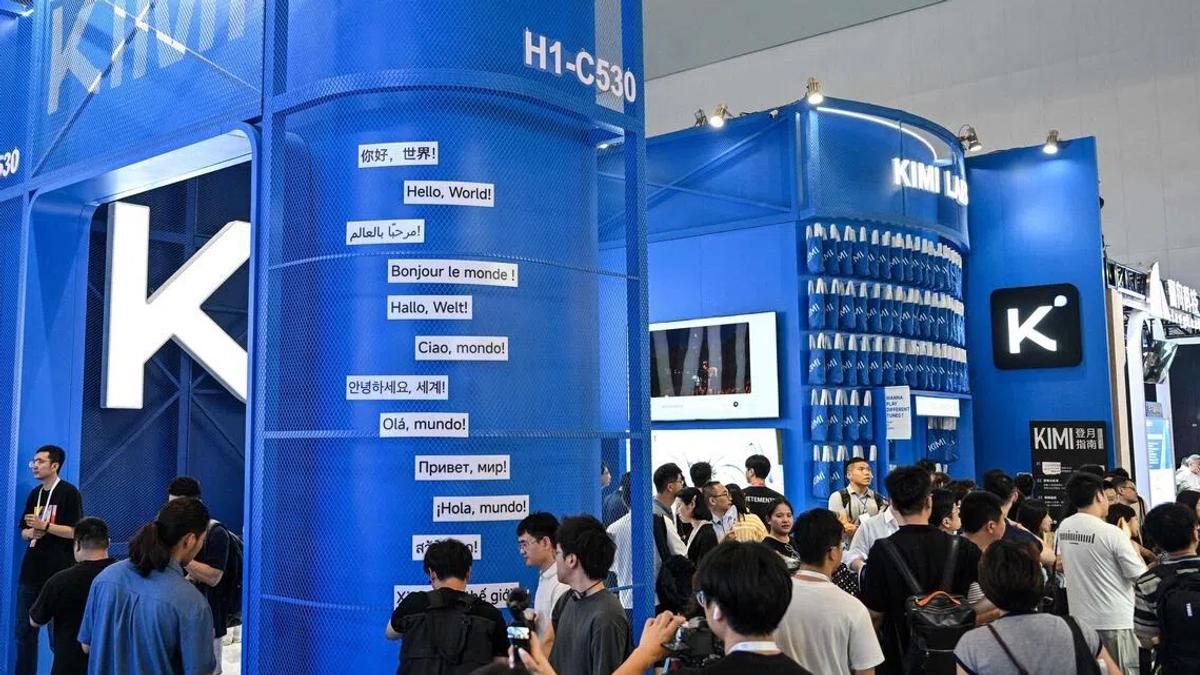
The recent release of artificial intelligence models by Chinese start-ups Z.ai and Moonshot AI has sent shockwaves through Silicon Valley, highlighting the deepening divide between companies that prioritize safety and those that champion innovation. At the heart of this debate lies the question of whether to restrict access to AI technology, a move that could have far-reaching implications for the global AI landscape.
On one side, companies like Anthropic and OpenAI are pushing for strict control over AI, citing concerns about safety and the potential misuse of AI technology. They argue that open-source models, which allow anyone to access and modify AI code, pose a significant risk to national security and intellectual property. In contrast, Microsoft and Nvidia are advocating for open-source AI, arguing that it drives faster and safer AI development by fostering collaboration and information sharing.
The rapid advancements made by Chinese AI startups have caught US firms off guard, leading to accusations of data theft and lobbying for regulatory action to protect American intellectual property. US leaders, including Treasury Secretary Scott Bessent, are considering sanctions against Chinese firms, a move that could escalate tensions between the two nations. However, supporters of open-source AI argue that restricting information sharing would only hinder innovation and slow down the development of AI technology.
The AI border control debate has significant regional implications, particularly in the context of the ongoing great power rivalry between the US and China. The US has long been a leader in AI research and development, but China's rapid advancements have narrowed the gap. If the US were to impose restrictions on AI technology, it could limit China's access to cutting-edge AI tools and hinder its ability to compete in the global AI market.
The outcome of this debate will have far-reaching consequences for the global AI landscape. If the US were to adopt a more restrictive approach to AI, it could lead to a fragmentation of the global AI market, with different countries and regions developing their own AI ecosystems. This could result in a loss of global cooperation and collaboration in AI research and development, ultimately hindering the progress of AI technology.
The AI border control debate in Silicon Valley is a symptom of a larger great power rivalry between the US and China. As the two nations continue to compete for dominance in the global AI market, the stakes are high. The outcome of this debate will have significant implications for regional stability, global cooperation, and the future of AI technology itself.
Source referenced: STRAITSTIMES
This brief was synthesized by our Editorial Engine and reviewed by The Ground Narrative team.