TRENDING

Friday, 23 October 2026
----------------------
12 Jumada Al-Awwal 1448 AH
A grassroots campaign tries to bring breast cancer screening and support to women living in war‑torn Gaza. The story reveals how power, politics and scarcity shape a fight that goes far beyond medicine.
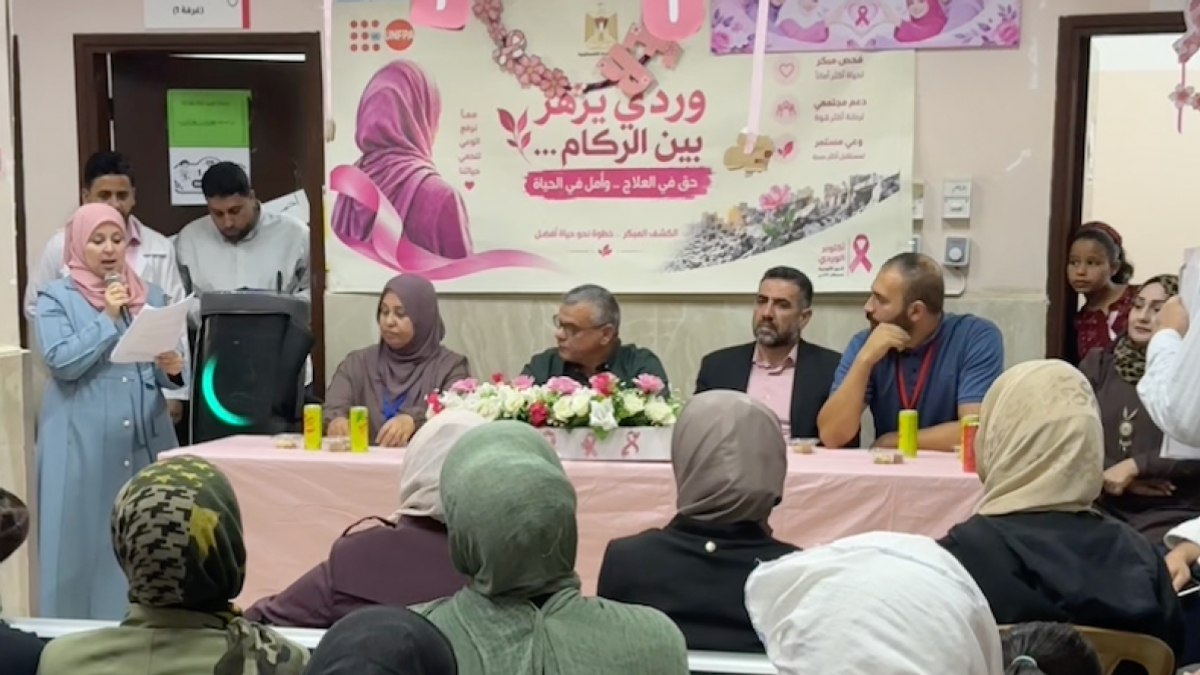
Health workers in Gaza have launched a community‑driven initiative called "Pink Blooms from Among the Rubble" to raise awareness, provide early‑detection kits, and offer psychosocial support to women battling breast cancer. The effort, highlighted by the story of patient Hiba Musbah, unfolds against the backdrop of Israel’s ongoing military campaign that has reduced much of the enclave to debris and crippled its health infrastructure.
The situation is shaped by three intersecting layers of power. First, Israel controls the flow of goods into Gaza through a tightly regulated crossing system. Even essential medical supplies are subject to security vetting, which creates chronic shortages of chemotherapy drugs, imaging equipment, and pathology reagents. The blockade, justified by Israeli officials as a security measure, also serves a political purpose: limiting the capacity of Hamas‑run institutions to sustain a civilian population that could fuel resistance.
Second, international donors and NGOs operate under a fragile funding architecture. Humanitarian aid is often earmarked for emergency food, water and shelter, while chronic disease programs compete for a diminishing pool of discretionary funds. The World Health Organization and UNRWA attempt to fill gaps, but their budgets are constrained by donor fatigue and geopolitical bargaining. When a donor country wants to appear supportive of the Palestinian cause, it may increase funding for visible projects like vaccination drives, yet overlook less headline‑grabbing needs such as oncology services.
Third, local governance in Gaza adds another dimension. Hamas, the de‑facto authority, must balance the optics of providing social services with the risk of being portrayed as a militant entity. Supporting a breast‑cancer campaign allows the leadership to showcase a humanitarian face, but the organization’s limited fiscal capacity forces it to rely heavily on volunteer health workers and ad‑hoc supply chains. This creates a precarious dependency on external actors, reinforcing a power asymmetry where the enclave’s health outcomes are dictated by decisions made far beyond its borders.
For women like Hiba Musbah, a diagnosis means navigating a maze of broken clinics, intermittent electricity, and the constant threat of airstrikes. Even when a lump is detected early, the lack of reliable pathology services forces patients to travel to the West Bank or Israel for confirmatory tests—journeys that are often impossible under curfew conditions. The emotional toll is compounded by the stigma attached to cancer in a society already strained by conflict, leading many to hide their condition and delay treatment.
Volunteer nurses and midwives, many of whom have lost family members in the war, shoulder the dual burden of providing care while fearing for their own safety. They operate in makeshift tents surrounded by rubble, using portable ultrasound devices that are frequently out of battery due to fuel shortages. Their salaries are modest, and the risk of injury from stray munitions is a daily reality, yet they persist because the alternative—no care at all—means a higher mortality rate for their patients.
The ripple effect reaches entire households. When a mother cannot work because of treatment side‑effects, the family’s already precarious income drops sharply. Children miss school, and extended relatives must divert limited food rations to support medical visits. In a context where unemployment hovers above 50 %, each lost wage pushes families deeper into poverty, eroding community resilience and increasing reliance on informal aid networks.
Official Israeli statements emphasize the need to prevent weapons smuggling, yet they rarely disclose the specific criteria used to block medical shipments. The lack of transparency makes it difficult for NGOs to plan procurement, and it allows the narrative to focus on security while sidelining the humanitarian impact of delayed chemotherapy or missing radiology equipment.
Global drug manufacturers profit from high‑margin oncology treatments, but their pricing structures are ill‑suited to a blockade economy. Even when humanitarian exemptions are granted, the cost of shipping, customs clearance, and storage in a war zone inflates prices beyond what local health authorities can afford. This dynamic keeps cutting‑edge therapies out of reach for Gaza’s patients, reinforcing a global health inequity that is rarely addressed in diplomatic talks.
International coverage tends to spotlight casualty counts and ceasefire negotiations, while chronic disease burdens receive scant attention. The story of "Pink Blooms" is an exception, but it is presented as a human‑interest vignette rather than a symptom of a systemic failure. By framing the campaign as an isolated act of bravery, the broader structural causes—blockade policy, donor allocation choices, and the militarization of health infrastructure—remain under‑examined.
The coming months will reveal whether diplomatic pressure can translate into concrete medical corridors for oncology supplies. Key indicators include: (1) any UN‑mandated humanitarian pause that explicitly mentions chronic disease treatment; (2) shifts in donor pledges toward non‑emergency health programs, observable in the quarterly reports of major NGOs; and (3) the emergence of cross‑border tele‑medicine initiatives that could bypass physical barriers. Observers should also monitor Israeli parliamentary debates, where health‑sector lobbying may push for limited easing of restrictions to mitigate international criticism. The trajectory of "Pink Blooms" will serve as a barometer for how the international system balances immediate war‑time needs against the longer‑term health of a civilian population.
The blockade limits the import of chemotherapy drugs, imaging equipment, and pathology supplies, creating delays and shortages that force patients to seek care outside the enclave or forego treatment altogether.
It is a grassroots initiative by Gaza health workers that provides breast‑cancer education, early‑detection kits, and psychosocial support to women amid the ongoing conflict.
Editor's Note: Analysis based on publicly available reports and expert assessments up to October 2026.
Source referenced: ALJAZEERA
This brief was synthesized by our Editorial Engine and reviewed by The Ground Narrative team.


