TRENDING

Friday, 23 October 2026
----------------------
12 Jumada Al-Awwal 1448 AH
President Emmanuel Macron urged a pause to protests across France, sparking a clash between state security and labor activism. The move reveals deep power struggles and a looming human cost.
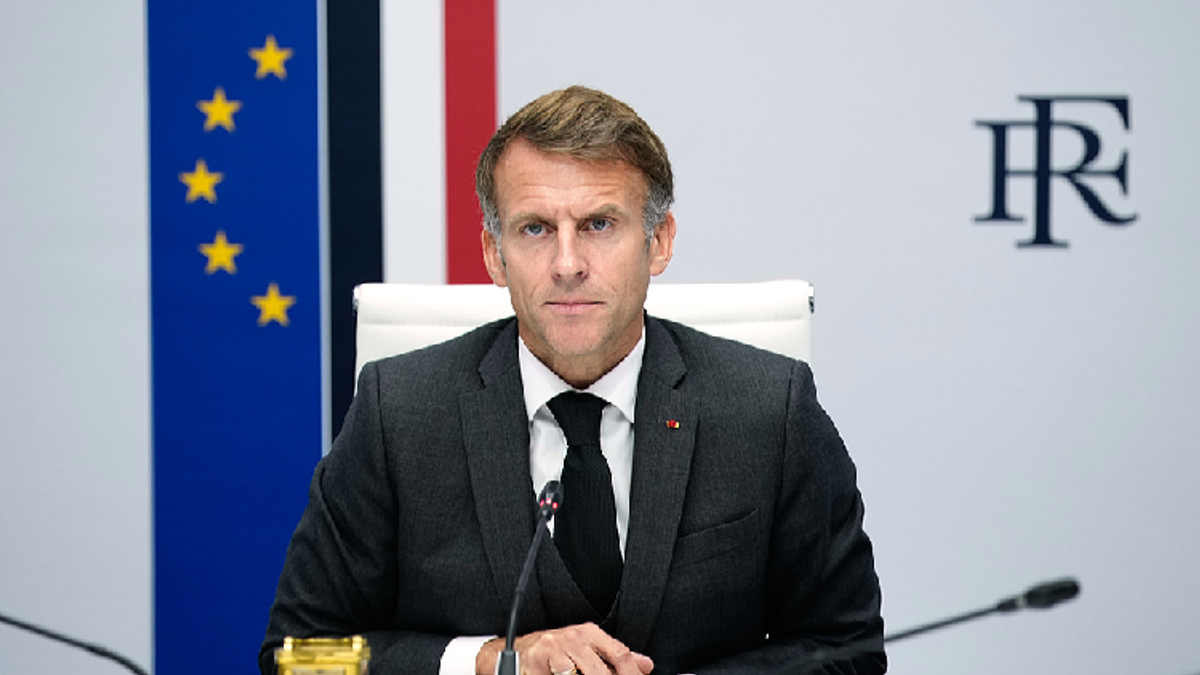
On October 22, 2026, President Emmanuel Macron addressed the nation after a security council meeting, urging a temporary halt to public demonstrations, especially on the upcoming Saturday. While the government offered alternative routes for formally notified union marches, several cities—Lyon, Toulon, Nice—imposed outright bans, and a curfew for unaccompanied minors was announced. Only a CGT‑organized rally in Paris between Place de la Bastille and Place de la Nation received limited permission, while the army’s Operation Sentinelle was slated to reinforce police presence.
The decision sits at the intersection of three structural forces. First, political survival: Macron’s centrist coalition faces waning approval amid rising unemployment and a fragmented parliament. By framing protests as a public‑order threat, the executive seeks to rally moderate voters and pre‑empt a surge in far‑right sentiment that could siphon support. Second, economic trade‑offs: France’s service‑driven economy relies on uninterrupted commerce in city centers. Demonstrations risk disrupting retail, tourism, and logistics, especially in key hubs like Lyon and Nice, where local authorities fear revenue losses that could exacerbate regional deficits. Third, military doctrine and alliance math: Deploying soldiers under Operation Sentinelle signals a willingness to blur the line between civilian policing and military intervention, a tactic refined after the 2015 terror attacks. This deployment also reassures NATO partners that France can maintain internal stability without external assistance, preserving its strategic autonomy.
The government’s language—“no legitimacy to organize” and “alternative routes”—serves to delegitimize spontaneous labor actions while offering a veneer of procedural fairness. By allowing the Paris CGT rally to proceed, authorities create a controlled outlet that can be monitored, reducing the risk of a nationwide cascade of unrest. This selective tolerance reflects a calculus: contain dissent in peripheral regions while preserving a symbolic concession in the capital to avoid accusations of outright suppression.
Union members, many of whom are low‑wage service employees, lose the primary platform to voice grievances over stagnant wages, pension reforms, and rising living costs. The ban forces them into private negotiations that lack public pressure, weakening bargaining power.
The curfew on unaccompanied minors in Toulon and Nice restricts freedom of movement for teenagers, many of whom rely on evening gatherings for social support. Parents face the dilemma of policing their children’s safety versus respecting civil liberties.
Retailers in city centers anticipate a dip in foot traffic, directly affecting cash‑flow for small businesses already strained by inflation. Hospitality venues that depend on weekend crowds risk layoffs or reduced hours.
Deploying Operation Sentinelle troops stretches military resources, pulling personnel from overseas commitments. Front‑line officers confront heightened tension, increasing the likelihood of confrontations that could result in injuries or arrests.
Neighborhoods with higher immigrant populations often host the most vocal protestors. The bans disproportionately silence these groups, reinforcing existing social exclusion and limiting avenues for political participation.
Official statements emphasize “public order” while downplaying the underlying economic drivers: a post‑pandemic slowdown, a tightening labor market, and a series of pension reforms that have eroded trust in the social contract. By framing protests as security threats, the government sidesteps a deeper debate about wealth distribution and social welfare.
Large retailers and tourism operators have lobbied local prefects for stricter demonstration controls, fearing loss of revenue. Their influence is rarely mentioned in press briefings, yet the timing of bans aligns with peak tourist seasons in Nice and Lyon, suggesting a quiet partnership between state and business.
The expansion of Operation Sentinelle is presented as a temporary safety measure, but the long‑term budget implications and the precedent of using armed forces for civil unrest are omitted. Critics argue this normalizes a security‑first narrative that can be leveraged in future political disputes.
French law permits bans on “unlawful assemblies,” but the criteria for “legitimacy” remain vague. Authorities can interpret this flexibly, granting them discretionary power to suppress dissent without clear judicial oversight. This ambiguity is rarely highlighted in official communications.
- Upcoming parliamentary votes: Any legislation tightening protest regulations could solidify the current approach, making temporary bans a stepping stone to permanent restrictions.
- Union response: The CGT’s decision to proceed in Paris may signal a strategic shift toward concentrated, high‑visibility actions. Watch for coordinated strikes in essential services that could pressure the government.
- Legal challenges: Civil liberties groups are likely to file injunctions against the bans, testing the limits of executive authority in French courts.
- Public opinion polls: Shifts in voter sentiment ahead of the 2027 European elections will reveal whether Macron’s security narrative resonates or backfires.
- International reactions: EU partners may comment on the balance between security and democratic rights, influencing France’s diplomatic posture.
Monitoring these threads will clarify whether the current pause is a tactical de‑escalation or the first move in a broader campaign to reshape French civil society.
Macron framed the ban as a public‑order measure, citing security concerns and the need to protect city centers during a period of heightened tension and economic strain.
The ban limits workers’ ability to publicly demand better wages and pension reforms, weakening union leverage and potentially deepening economic grievances.
Deploying soldiers for civilian policing blurs the line between military and police roles, raising concerns about the normalization of force in managing dissent.
Editor's Note: Analysis based on publicly available statements and historical patterns of French security policy.
Source referenced: CGTN
This brief was synthesized by our Editorial Engine and reviewed by The Ground Narrative team.