TRENDING

Saturday, 24 October 2026
----------------------
13 Jumada Al-Awwal 1448 AH
Leftist Roberto Sanchez takes the lead in Peru's presidential runoff, but the outcome remains uncertain due to a razor-thin margin and potential disputes over votes.
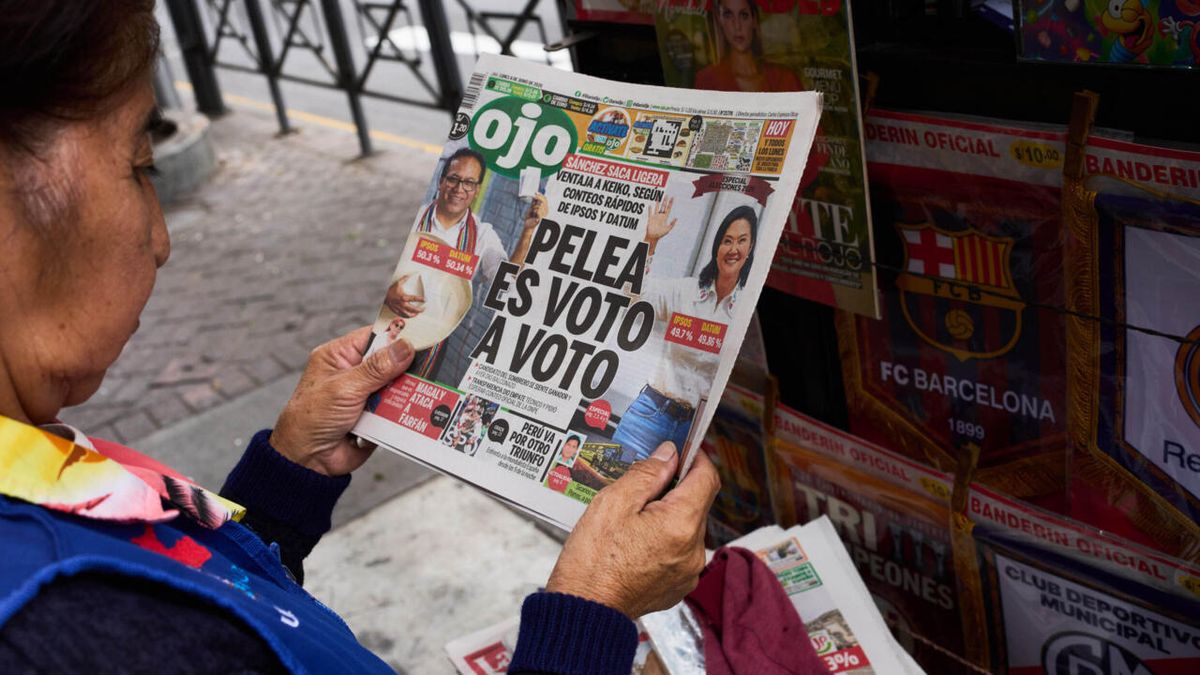
Peru's presidential runoff has concluded with leftist candidate Roberto Sanchez taking the lead, but the outcome remains uncertain due to a razor-thin margin of fewer than 4,300 votes separating him from conservative Keiko Fujimori. This development has significant implications for the Andean nation, which has been plagued by years of political chaos, with a string of presidents jailed, deposed, and impeached.
Peru's political landscape has been marked by deep divisions between the populous coast and the more rural, Indigenous south. The country's recent history has seen a series of right-wing candidates win elections in neighboring countries, including Bolivia, Chile, and Ecuador, with a tough-on-crime message. However, Sanchez's surge in the runoff suggests that the Peruvian people may be seeking a different path.
Sanchez's victory, if confirmed, would be a significant shift in Peru's politics, as he has moderated his early calls for "radical change" and expressed a desire for a "respectful" relationship with US President Donald Trump. However, his win would also come with challenges, as he would need to build alliances with the right-leaning legislature to complete his term. This could lead to a period of political instability and potentially even more division within the country.
The outcome of the presidential runoff has significant implications for regional stability, particularly in the context of the Andean region. A Sanchez victory could potentially lead to a shift in Peru's foreign policy, with a greater emphasis on social and economic issues. This could have repercussions for neighboring countries, particularly those with right-wing governments.
The uncertainty surrounding the outcome of the runoff is compounded by the fact that election officials will need to examine results from districts where the tally has been challenged, a process that could take several days. This has raised concerns about the legitimacy of the election and the potential for disputes over votes.
Peru's presidential runoff has concluded with a razor-thin margin separating the two candidates. While Sanchez's lead is currently uncertain, the implications of his potential victory are significant. A Sanchez presidency would likely lead to a shift in Peru's politics, with a greater emphasis on social and economic issues. However, this would also come with challenges, including the need to build alliances with the right-leaning legislature and potentially even more division within the country.
Source referenced: FRANCE24
This brief was synthesized by our Editorial Engine and reviewed by The Ground Narrative team.


