TRENDING

Monday, 26 October 2026
----------------------
15 Jumada Al-Awwal 1448 AH
The OPEC+ cartel has agreed to increase oil production by 188,000 barrels a day in July, but the move is largely symbolic due to the ongoing conflict in the Middle East and the effective shutdown of the Strait of Hormuz.
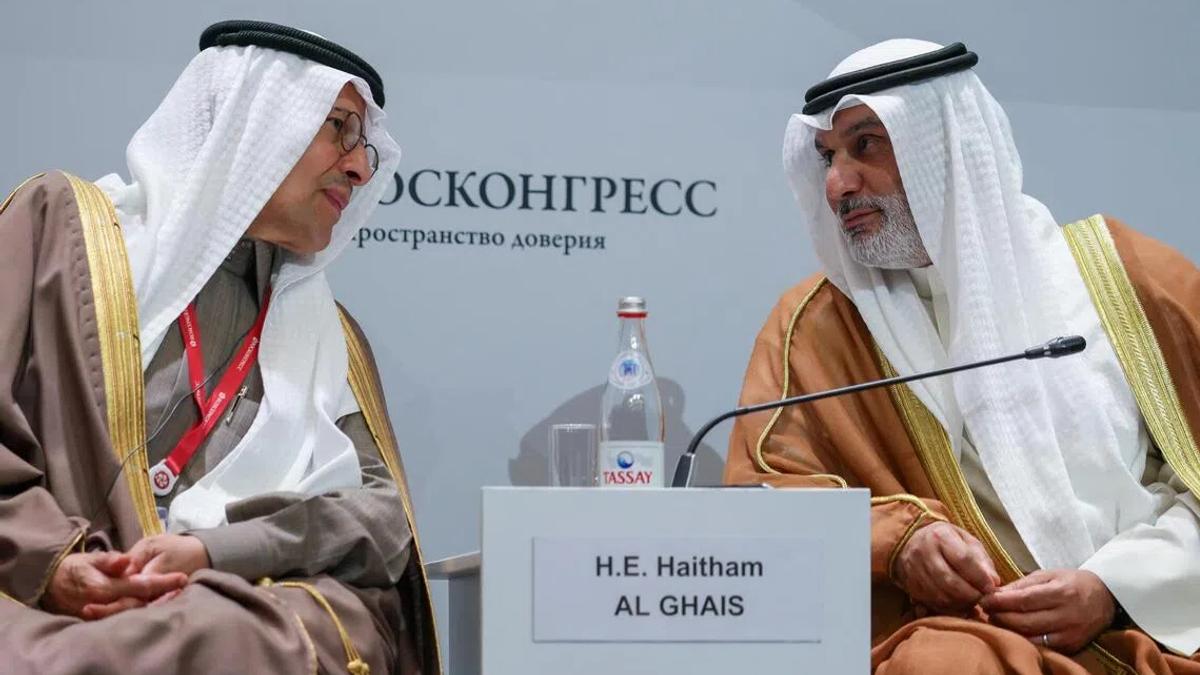
The recent decision by the OPEC+ cartel to increase oil production by 188,000 barrels a day in July has been met with skepticism by experts, who argue that the move is largely symbolic due to the ongoing conflict in the Middle East and the effective shutdown of the Strait of Hormuz.
The OPEC+ decision is significant because it reflects the cartel's efforts to maintain a balance between meeting global oil demand and managing the impact of the conflict in the Middle East on the global energy market. However, the move is unlikely to have a significant impact on oil prices, which have been driven up by the effective shutdown of the Strait of Hormuz.
The OPEC+ decision is likely driven by a desire to maintain the cartel's influence in the global energy market and to ensure that its member countries continue to receive a fair price for their oil. However, the move is also likely to be seen as a gesture of goodwill by the cartel towards the global community, which has been affected by the conflict in the Middle East.
The conflict in the Middle East, which started with US-Israeli strikes on Iran on February 28, has sent oil and gas prices soaring, stoked worldwide fears of inflation, and left countries scrambling for alternative energy supplies. The effective shutdown of the Strait of Hormuz has had a significant impact on global oil supplies, with ships transiting the strait ferrying about one-fifth of the world's energy supply before the war.
The OPEC+ decision is likely to have significant regional implications, particularly for countries that rely heavily on oil exports. The decision may also have an impact on the global economy, particularly if the conflict in the Middle East continues to disrupt global oil supplies.
The future consequences of the OPEC+ decision are uncertain, but it is likely that the move will have a limited impact on oil prices in the short term. However, if the conflict in the Middle East continues to disrupt global oil supplies, the move may have a more significant impact on the global economy in the long term.
Editor's Note: The analysis is based on publicly available information and may not reflect the full complexity of the situation.
Source referenced: STRAITSTIMES
This brief was synthesized by our Editorial Engine and reviewed by The Ground Narrative team.