TRENDING

Monday, 26 October 2026
----------------------
15 Jumada Al-Awwal 1448 AH
As the 2026 World Cup kicks off in Mexico City, the country is poised to capitalize on its reputation as a welcoming and inclusive host, setting it apart from co-hosts the United States and Canada.
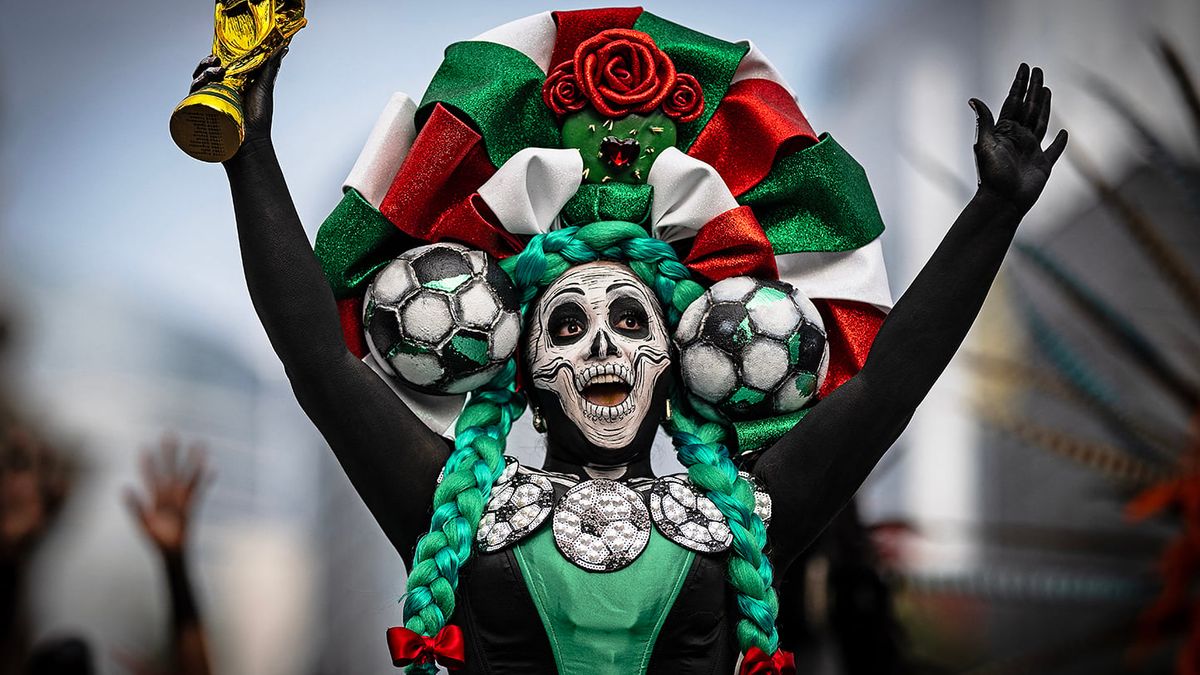
The 2026 World Cup is a chance for Mexico to showcase its commitment to internationalism and soft power, setting it apart from its co-hosts, the United States and Canada. With its strong tradition of soccer and public festivals, Mexico has the building blocks for a great atmosphere. The country's relatively low prices for tourists and its visa-free entry policy for many nationalities make it an attractive destination for international soccer fans.
In contrast to the United States, which has been criticized for its restrictive immigration policies and aggressive immigration raids, Mexico has taken a more inclusive approach. The country's acceptance of the Iranian national team, which was initially refused housing in the United States, is a prime example of this. Mexican President Claudia Sheinbaum's statement that Mexico values internationalism in both sports and geopolitics highlights the country's commitment to this approach.
Mexico's approach to hosting the World Cup has significant regional implications. As the United States continues to close itself off from the world, Mexico is positioning itself as a more welcoming and inclusive destination. This could have long-term consequences for the country's reputation and its ability to attract international investment and tourism.
The idea of Mexico co-hosting the World Cup with the United States and Canada was first proposed in 2009 by Arturo Sarukhán, Mexico's ambassador to the United States at the time. The proposal was designed to send a message of North American unity, but it has been complicated by the Trump administration's confrontational foreign policy and trade policies. Despite this, Mexico remains committed to the idea of a unified North America, and the World Cup is an opportunity for the country to showcase this commitment.
The success of the World Cup in Mexico will have significant consequences for the country's reputation and its ability to attract international investment and tourism. If the tournament is a success, it could set a precedent for future international events and cement Mexico's reputation as a welcoming and inclusive host. However, if the tournament is marred by controversy or security issues, it could have negative consequences for the country's reputation and its ability to attract international investment and tourism.
The 2026 World Cup is a chance for Mexico to showcase its commitment to internationalism and soft power. With its strong tradition of soccer and public festivals, Mexico has the building blocks for a great atmosphere. The country's relatively low prices for tourists and its visa-free entry policy for many nationalities make it an attractive destination for international soccer fans. As the tournament kicks off in Mexico City, the country is poised to capitalize on its reputation as a welcoming and inclusive host, setting it apart from co-hosts the United States and Canada.
Editor's Note: While Mexico's approach to hosting the World Cup is a positive development, it is uncertain whether the country will be able to maintain this approach in the face of potential security issues or controversy.
Source referenced: FOREIGNPOLICY
This brief was synthesized by our Editorial Engine and reviewed by The Ground Narrative team.