TRENDING

Monday, 26 October 2026
----------------------
15 Jumada Al-Awwal 1448 AH
A powerful 7.8 magnitude earthquake has claimed at least 31 lives in the southern Philippines, underscoring the nation's acute vulnerability to seismic activity and the significant challenges it poses to development and stability. The disaster in General Santos city highlights the ongoing need for robust disaster preparedness and international cooperation in a strategically vital region.
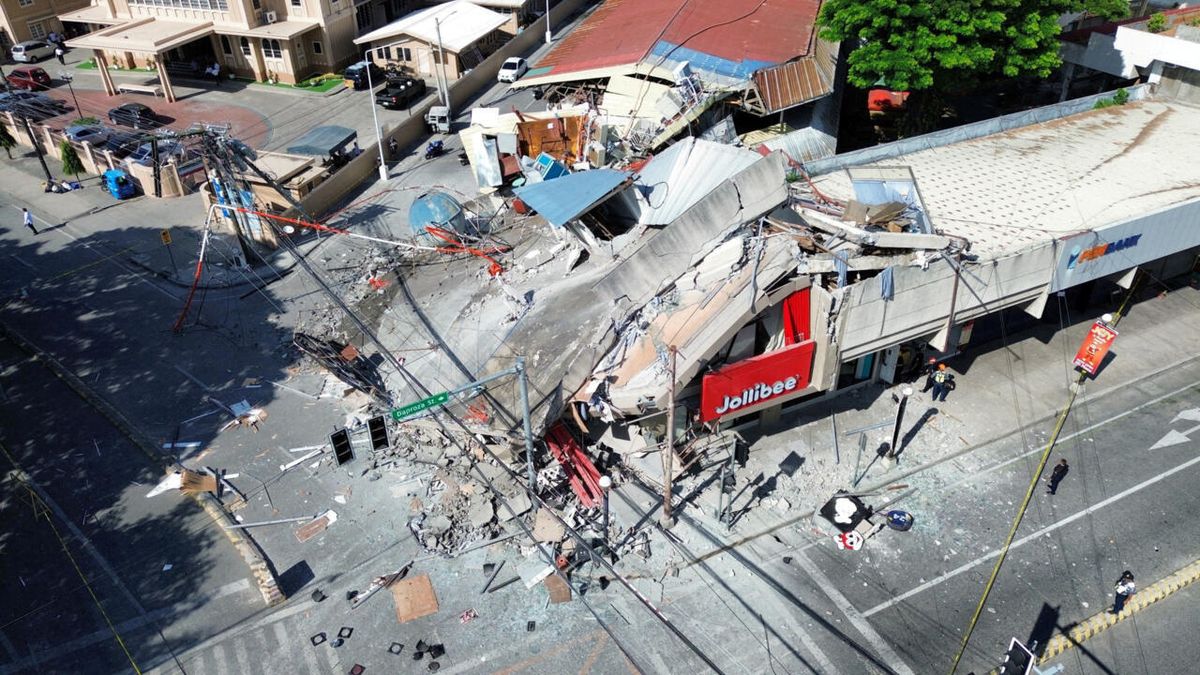
On June 8, 2026, a formidable 7.8 magnitude earthquake struck the southern Philippines, resulting in the deaths of at least 31 individuals. The seismic event, centered at sea at a depth of 33 kilometers, was the most powerful to hit the archipelago nation this year, with the bustling port city of General Santos bearing the brunt of its destructive force. The immediate aftermath has seen rescue operations intensify amidst widespread damage, bringing into sharp focus the Philippines' inherent geological vulnerabilities and the multifaceted challenges these pose to its socio-economic fabric and regional stability.
The Philippines occupies a critical geopolitical position in Southeast Asia, serving as a key maritime nation with strategic importance in the Indo-Pacific. Its location, however, also places it squarely within the Pacific Ring of Fire, a horseshoe-shaped zone of intense seismic activity and volcanic eruptions. This geographical reality means the nation is perpetually exposed to earthquakes, tsunamis, and volcanic hazards, alongside its susceptibility to typhoons from the Pacific Ocean. Such frequent natural disasters not only cause immediate human tragedy and infrastructure damage but also exert a continuous strain on national resources, diverting funds and attention from long-term development goals, economic growth, and other strategic priorities.
For a nation like the Philippines, which is actively navigating complex regional dynamics, including territorial disputes in the South China Sea and evolving alliances, the capacity to respond effectively to large-scale natural disasters is paramount. It reflects on governmental stability, resource allocation, and the overall resilience of the state. Each major disaster tests the government's ability to protect its citizens, maintain order, and rebuild, which can have indirect implications for its standing and influence in regional affairs.
The impact of an earthquake of this magnitude extends far beyond the immediate casualties. General Santos, a significant port city on Mindanao island, is a vital hub for trade, fishing, and agriculture in the southern Philippines. Damage to its infrastructure—including ports, roads, and buildings—can severely disrupt supply chains, impede economic activity, and affect livelihoods for potentially extended periods. The fishing industry, a cornerstone of the local economy, could face disruptions from damaged facilities or altered marine environments, impacting food security and export capabilities.
Reconstruction efforts will necessitate substantial financial investment, potentially drawing on national budgets and international aid. This financial burden can strain public finances, potentially impacting other sectors such as education, healthcare, or defense spending. Furthermore, the displacement of communities and the psychological trauma inflicted by such events can have long-lasting social consequences, affecting community cohesion and public health.
Major natural disasters often trigger an outpouring of international humanitarian assistance. Offers of aid, expertise, and resources from neighboring countries and global partners can serve as critical components of disaster response and recovery. For the Philippines, a nation with strong alliances and partnerships, the coordination of international aid can also become an exercise in diplomatic engagement. It provides opportunities for countries to demonstrate solidarity, strengthen bilateral ties, and enhance regional cooperation mechanisms for disaster risk reduction.
Conversely, a perceived inadequacy in national or international response can sometimes lead to domestic discontent or highlight vulnerabilities in international coordination. Therefore, the management of disaster relief and reconstruction is not merely a logistical challenge but also a diplomatic and governance test, influencing public perception and international relations.
The recurring nature of such disasters necessitates a continuous focus on building resilience. This includes investing in earthquake-resistant infrastructure, implementing stringent building codes, enhancing early warning systems, and improving public awareness and preparedness programs. For the Philippines, these measures are not just about safety; they are fundamental to sustainable development and national security. The ability to withstand and recover from natural calamities is intrinsically linked to the nation's capacity to maintain economic stability, social order, and its strategic position in a dynamic geopolitical landscape. The 7.8 magnitude earthquake serves as a stark reminder of these enduring challenges and the imperative for comprehensive, long-term strategies to mitigate their impact.
Source referenced: FRANCE24
This brief was synthesized by our Editorial Engine and reviewed by The Ground Narrative team.


