TRENDING

Sunday, 25 October 2026
----------------------
14 Jumada Al-Awwal 1448 AH
The ongoing conflict in the Middle East is having a ripple effect on global supply chains, exposing vulnerabilities in Latin America's economy.
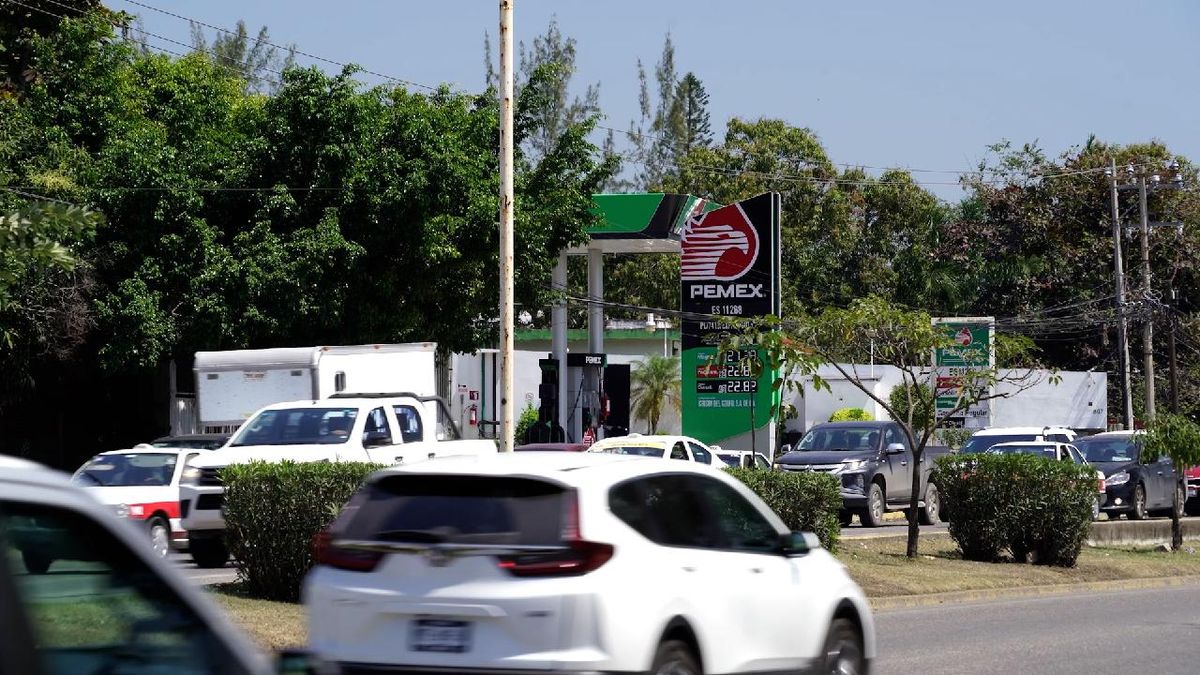
The recent conflict in the Middle East has sent shockwaves across the globe, with far-reaching consequences for economies in Latin America. As a tenuous ceasefire is in place in Iran, the fallout from the conflict is still being felt, particularly in the region's fuel costs and economic uncertainty.
The conflict has disrupted global supply chains, leading to a surge in fuel costs across Latin America. This has had a devastating impact on the region's economies, which are heavily reliant on imports. The rising fuel costs have increased the cost of production, leading to higher prices for goods and services. This, in turn, has reduced consumer spending and economic growth.
The conflict has exposed vulnerabilities in global supply chains, which are critical to the region's economic stability. The disruption of supply chains has led to shortages of essential goods, including food and medicine. This has put a strain on the region's healthcare systems and has exacerbated social and economic inequalities.
The conflict in the Middle East is not a new phenomenon. However, the current crisis has highlighted the region's vulnerability to global events. Latin America's economic dependence on global trade and its limited economic diversification have made it susceptible to external shocks. The region's history of economic instability and its limited capacity to respond to crises have exacerbated the impact of the conflict.
The ongoing conflict in the Middle East is likely to have long-term consequences for Latin America's economy. The region's economic growth is expected to slow down, and its economic stability is likely to be compromised. The conflict has also highlighted the need for the region to diversify its economy and reduce its dependence on global trade.
The conflict in the Middle East has strategic implications for Latin America. The region's diplomatic efforts are focused on maintaining stability in the region and mitigating the impact of the conflict on its economy. The region's governments are working to diversify their economies and reduce their dependence on global trade. They are also seeking to strengthen their relationships with other regions and countries to reduce their vulnerability to external shocks.
The conflict in the Middle East has exposed vulnerabilities in Latin America's economy, highlighting the need for the region to diversify its economy and reduce its dependence on global trade. The region's economic growth is expected to slow down, and its economic stability is likely to be compromised. The conflict has also highlighted the need for the region to strengthen its diplomatic efforts and reduce its vulnerability to external shocks.
Editor's Note: The analysis is based on available data and expert opinions, but the long-term consequences of the conflict are uncertain and subject to change.
Source referenced: CGTN
This brief was synthesized by our Editorial Engine and reviewed by The Ground Narrative team.