TRENDING

Sunday, 25 October 2026
----------------------
14 Jumada Al-Awwal 1448 AH
Moscow confirms no immediate plans for a Putin-Trump call, while US envoys maintain contact with both Russia and Ukraine, though mediation efforts are on hold due to the Iran conflict. Russia explicitly rejects European involvement, highlighting deep diplomatic rifts.
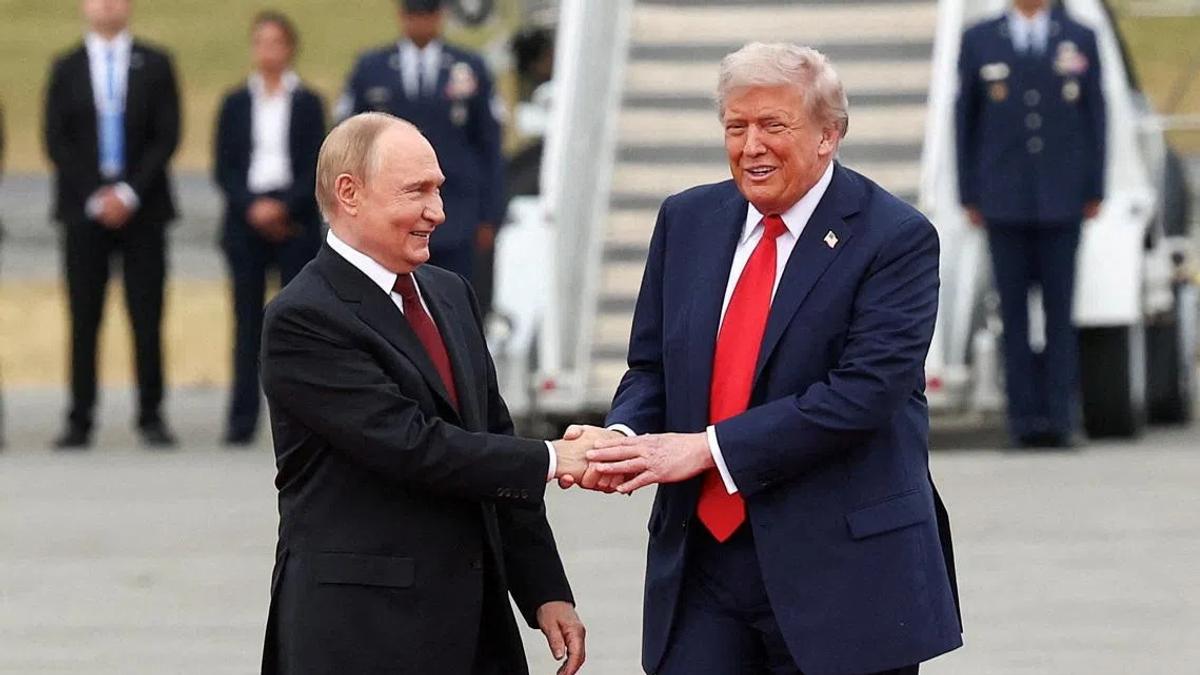
On June 9, 2026, Kremlin spokesman Dmitry Peskov confirmed that there are no immediate plans for a telephone call between Russian President Vladimir Putin and US President Donald Trump. This statement underscores the continued chasm in high-level direct communication between Washington and Moscow, even as lower-level diplomatic channels remain active. Peskov noted that US negotiators Steve Witkoff and Jared Kushner are maintaining contacts with both Russia and Ukraine, indicating a persistent, albeit complex, US interest in the ongoing conflict.
This development comes amidst a backdrop of stalled mediation efforts concerning Ukraine. According to Peskov, these efforts, which previously involved Witkoff and Kushner, were put on hold in February following military actions by the United States and Israel against Iran. This revelation highlights the interconnected nature of global security challenges, where developments in one strategic theater, such as the Middle East, can directly impact diplomatic initiatives in another, like Eastern Europe. The diversion of US strategic focus and resources to the Iran conflict appears to have temporarily deprioritized or complicated the Ukraine peace process.
While the Kremlin expressed its willingness to welcome US envoys to Russia at any time, no specific dates for their visit have been set. This contrasts with Ukrainian President Volodymyr Zelenskiy's statement on June 8, where he described a “positive” conversation with Witkoff and Kushner, praising their readiness to work towards a settlement in the coming weeks. The discrepancy in communication—with the Kremlin stating it had not been informed of Zelenskiy's call by the US side—suggests a lack of synchronized diplomatic messaging or a deliberate compartmentalization of discussions by the US envoys. This communication gap could complicate future mediation efforts, as trust and transparency are crucial for effective diplomacy.
A significant aspect of Peskov's statement was Russia's unequivocal rejection of potential mediation efforts by European nations, deeming such involvement “unacceptable.” Peskov articulated two primary reasons for this stance: first, the perceived illogicality of Europe setting conditions for Russia to initiate mediation; and second, the Kremlin's assessment that European countries are more inclined to support the continuation of the war rather than pursue peace talks. This position reflects the deep geopolitical divide between Russia and many European states, particularly those within NATO and the European Union, which have largely aligned with Ukraine and imposed extensive sanctions on Moscow.
Russia's dismissal of European mediation effectively isolates Europe from a direct role in future peace negotiations, pushing the onus for any potential diplomatic breakthrough primarily onto the United States. This move could be interpreted as an attempt by Moscow to bypass what it views as a hostile and biased European bloc, preferring to engage with the US, which it might perceive as a more decisive and potentially less ideologically driven interlocutor, especially under a Trump administration.
The current state of diplomacy, as articulated by the Kremlin, paints a picture of protracted conflict and complex international maneuvering. The absence of high-level US-Russia dialogue, coupled with the stalled mediation efforts due to a separate regional conflict, underscores the multifaceted challenges to global stability. The US, through its envoys, appears to be attempting to maintain lines of communication with both sides of the Ukraine conflict, even as its broader strategic attention is divided.
Russia's firm stance against European mediation further solidifies the bipolar nature of the diplomatic landscape surrounding Ukraine, with the US and Russia as the primary external actors capable of influencing a resolution. The future trajectory of the Ukraine conflict and any potential peace settlement will likely hinge on the evolving dynamics between Washington and Moscow, the strategic priorities of the US administration, and Russia's own military and political objectives. The immediate outlook suggests that a comprehensive diplomatic resolution remains elusive, with the conflict continuing to be shaped by military realities on the ground and the intricate web of international relations.
This situation highlights the fragility of international peace processes when confronted with shifting geopolitical priorities and entrenched mistrust among major powers. The path to de-escalation and a lasting peace in Ukraine will require not only sustained diplomatic engagement but also a significant recalibration of strategic interests and a willingness to overcome profound ideological and security differences.
Source referenced: STRAITSTIMES
This brief was synthesized by our Editorial Engine and reviewed by The Ground Narrative team.