TRENDING

Saturday, 24 October 2026
----------------------
13 Jumada Al-Awwal 1448 AH
Israel has claimed responsibility for a strike on Iran's Mahshahr Petrochemical Complex in Khuzestan Province, marking a significant escalation in the long-standing shadow war between the two nations. The attack, which an Iranian official confirmed caused damage, targets a critical economic asset and raises concerns about broader regional instability.
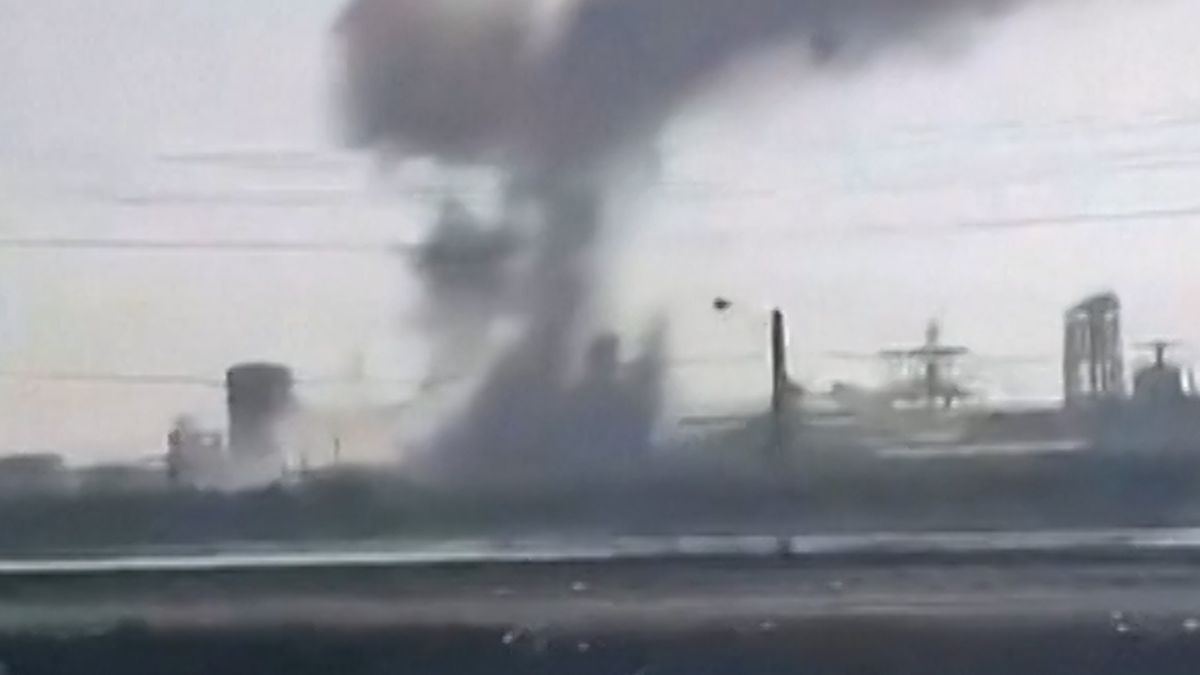
On Monday, June 8, 2026, Israel claimed responsibility for a military strike targeting the Mahshahr Petrochemical Complex in Iran's southwestern Khuzestan Province. Video footage corroborated by Al Jazeera showed plumes of smoke rising from the industrial facility, with an Iranian official subsequently confirming damage to parts of the plant. This incident represents a notable shift in the protracted 'shadow war' between Israel and Iran, moving beyond proxy conflicts and cyber warfare to a direct, overt attack on Iranian sovereign territory and critical infrastructure.
The Mahshahr Petrochemical Complex is a cornerstone of Iran's petrochemical industry, a vital sector for the Islamic Republic's economy, particularly under the weight of international sanctions. The targeting of such a facility carries significant strategic implications, as it directly impacts Iran's revenue streams and industrial capacity. While Israel stated it also hit "other military targets," the explicit mention and visual evidence of the petrochemical complex underscore a deliberate strategy to inflict economic and strategic costs on Tehran.
Israel's motivation for the strike is multifaceted, rooted in its long-held concerns over Iran's nuclear program, its ballistic missile capabilities, and its extensive network of regional proxies, including Hezbollah in Lebanon and various militias in Iraq and Syria. From Israel's perspective, these elements pose an existential threat, necessitating a proactive approach to degrade Iranian capabilities and deter further aggression. The strike on the petrochemical complex can be interpreted as an attempt to exert pressure on Iran by targeting its economic lifelines, thereby potentially limiting its ability to fund its regional activities and military ambitions.
Iran's petrochemical industry has become increasingly crucial for its economy, especially since the re-imposition of U.S. sanctions, which have severely curtailed its oil exports. By targeting a major petrochemical facility, Israel aims to disrupt a key source of hard currency and industrial output, thereby exacerbating Iran's economic challenges. This approach aligns with a broader strategy of economic warfare, complementing diplomatic and covert efforts to contain Iran.
The direct nature of this strike significantly heightens tensions across the Middle East. Iran has historically vowed retaliation for attacks on its soil or assets, and its response to this incident will be closely watched. Potential retaliatory actions could range from increased support for its regional proxies to direct missile or drone attacks against Israeli targets or interests in the region. Such a cycle of escalation carries the inherent risk of spiraling into a broader, more overt regional conflict, with severe consequences for international shipping, global energy markets, and overall stability.
The Khuzestan Province, where Mahshahr is located, is a strategically important region for Iran, home to significant oil and gas reserves and industrial infrastructure. An attack here not only impacts economic output but also carries symbolic weight, demonstrating Israel's reach and willingness to strike deep within Iranian territory. The international community is likely to call for de-escalation, but the fundamental geopolitical rivalry between Israel and Iran, coupled with the absence of direct diplomatic channels, makes managing this escalation particularly challenging.
This incident underscores the volatile nature of the Middle East's geopolitical landscape, where the 'shadow war' continues to evolve, pushing the boundaries of conventional conflict and demanding careful consideration of its far-reaching implications for regional and global security.
Source referenced: ALJAZEERA
This brief was synthesized by our Editorial Engine and reviewed by The Ground Narrative team.


