TRENDING

Monday, 26 October 2026
----------------------
15 Jumada Al-Awwal 1448 AH
Iran's economic crisis deepens as war with the US and Israel exacerbates existing problems, leading to soaring prices and a collapse in purchasing power.
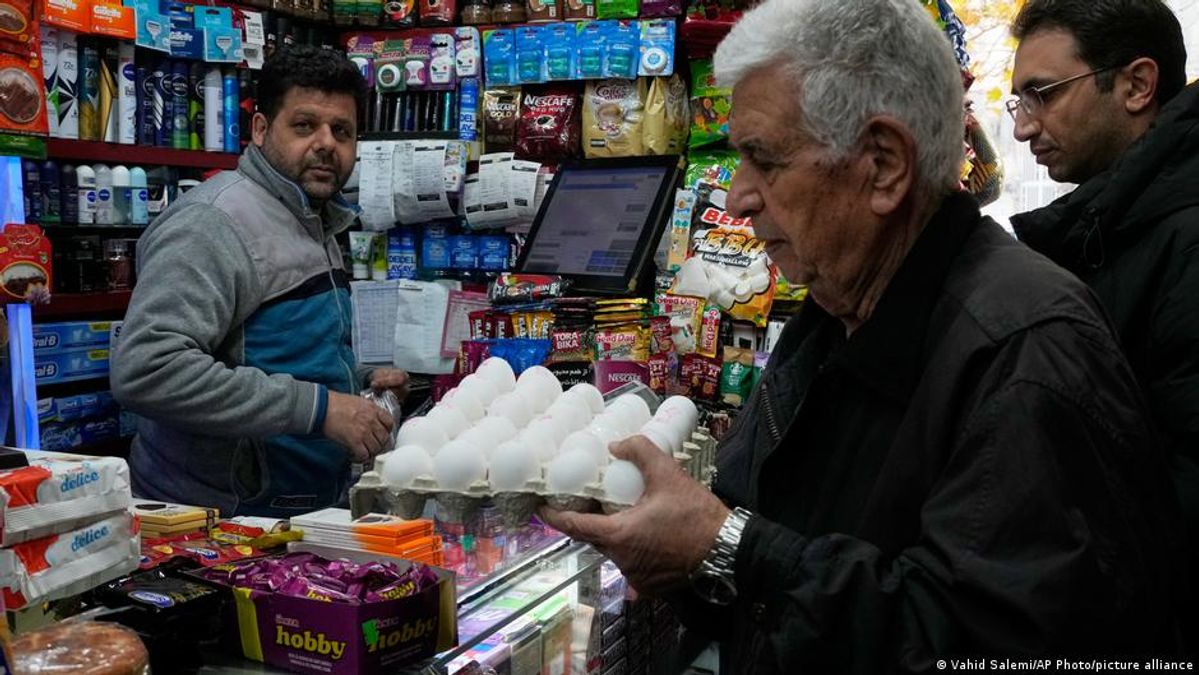
Iran is facing an unprecedented economic crisis, with war, sanctions, and inflation creating a perfect storm that is devastating ordinary households. The conflict with the US and Israel has disrupted the supply of oil, gas, and fertilizer, leading to a ripple effect that has pushed prices up and purchasing power down.
The human cost of inflation is evident in the stories of ordinary Iranians who are struggling to buy food and other essential goods. The price of rice, for example, has increased by 9% in just two weeks, while the price of chicken has more than doubled since the introduction of a food voucher scheme. The voucher itself has remained unchanged, leaving many households struggling to make ends meet.
Sanctions have played a significant role in exacerbating Iran's economic crisis. The US and other countries have imposed strict sanctions on Iran, limiting its access to international markets and making it difficult for the country to export its oil and gas. This has led to a significant decline in Iran's foreign exchange reserves, making it difficult for the country to import essential goods.
The war with the US and Israel has also had a significant impact on Iran's economy. The conflict has disrupted the supply of oil, gas, and fertilizer, leading to a shortage of essential goods. This has pushed prices up and made it difficult for ordinary households to afford basic necessities.
The future consequences of Iran's economic crisis are uncertain, but one thing is clear: the country is facing a perfect storm of war, sanctions, and inflation. The human cost of this crisis is evident in the stories of ordinary Iranians who are struggling to buy food and other essential goods. The government's efforts to address the crisis, including the introduction of higher wages and food vouchers, have been insufficient to keep up with the rising prices.
The regional implications of Iran's economic crisis are significant. The country's economic instability has the potential to destabilize the entire region, creating a ripple effect that could have far-reaching consequences. The crisis has also highlighted the need for a more comprehensive approach to addressing the economic and social challenges facing the region.
The strategic motivations behind Iran's economic crisis are complex and multifaceted. The country's conflict with the US and Israel has been ongoing for years, and the economic crisis is a direct result of this conflict. The sanctions imposed by the US and other countries have also played a significant role in exacerbating the crisis.
The historical context of Iran's economic crisis is also significant. The country has been facing economic challenges for years, including high inflation and a decline in foreign exchange reserves. The conflict with the US and Israel has only added to these challenges, making it difficult for the country to address its economic and social problems.
In conclusion, Iran's economic crisis is a complex and multifaceted issue that requires a comprehensive approach to address. The country's conflict with the US and Israel has disrupted the supply of essential goods, leading to a shortage and a significant increase in prices. The sanctions imposed by the US and other countries have also played a significant role in exacerbating the crisis. The human cost of this crisis is evident in the stories of ordinary Iranians who are struggling to buy food and other essential goods. The government's efforts to address the crisis have been insufficient to keep up with the rising prices, and the future consequences of this crisis are uncertain.
Editor's Note: The analysis is based on available data and information, but the future consequences of Iran's economic crisis are uncertain and may be subject to change.
Source referenced: DW
This brief was synthesized by our Editorial Engine and reviewed by The Ground Narrative team.


