TRENDING

Sunday, 25 October 2026
----------------------
14 Jumada Al-Awwal 1448 AH
The US ban on Iran's World Cup team from spending the night on US soil sets a dangerous precedent for international soccer, highlighting the differences between the Olympics and the World Cup in handling geopolitics.
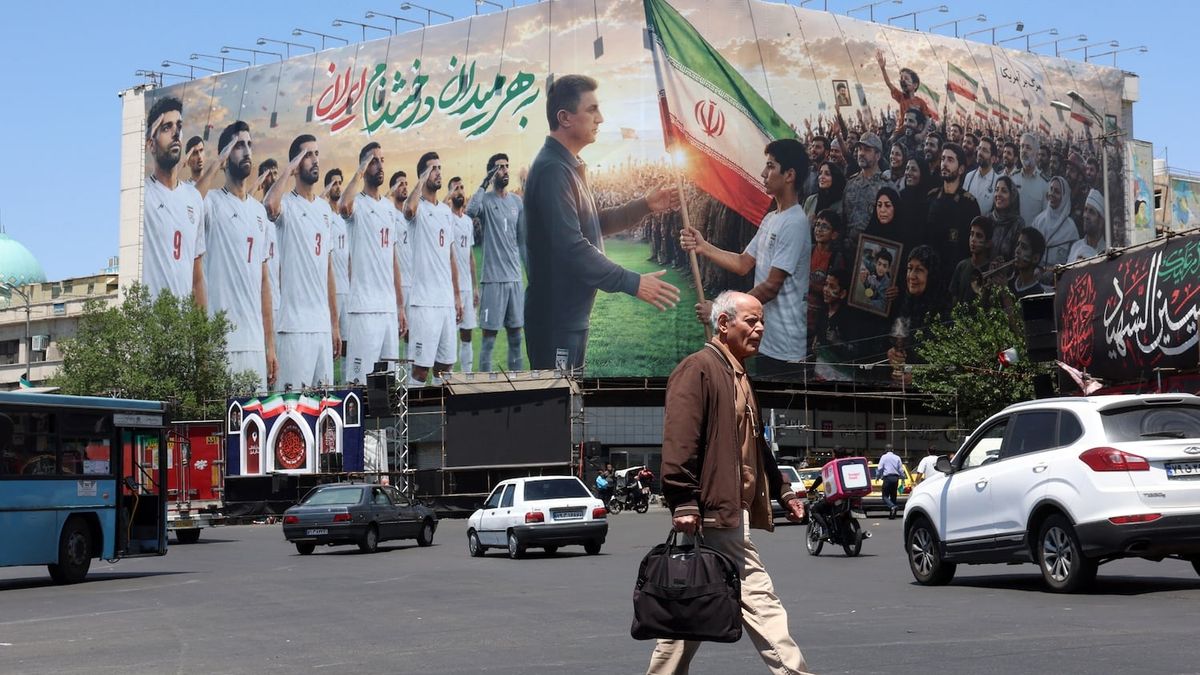
The US government's decision to ban Iran's national men's soccer team from spending the night on US soil is an unprecedented move in the history of international soccer. This decision was made by US President Donald Trump, who has been a vocal critic of Iran's government. The ban was a result of a series of phone calls between FIFA, Iranian Football Federation President Mehdi Taj, and Mexican President Claudia Sheinbaum.
The geography of the World Cup has been shaped by politics before, but never quite like this. On occasion, visiting teams have refused to play in a host's territory, but no host nation has ever refused to allow a qualified participating team to be based on its soil while still requiring it to play its matches there. The Soviet Union famously did so in 1973, when the second leg of a World Cup qualifying playoff was scheduled at the National Stadium in Santiago, Chile.
The Olympics and the World Cup are not the same kind of institution. They are wired differently, and they metabolize geopolitics in opposite ways. The IOC sells the athlete, not the country, and has effective sovereignty over participation through the terms of the Olympic host contract. FIFA, on the other hand, has no authority over whom the host country admits across its borders. Its government guarantee for 2026 merely requests that the host establish a visa-free environment or facilitate existing visa procedures.
The visa question is a critical aspect of the World Cup. When Iran applied for nine delegation visas to attend last December's draw at the Kennedy Center, the US State Department granted four and denied five, including Taj. The original base-camp agreement between FIFA, the Iranian Football Federation, and the US government was meant to address this issue, but it ultimately failed to provide a solution.
The US ban on Iran's World Cup team sets a dangerous precedent for international soccer. It highlights the differences between the Olympics and the World Cup in handling geopolitics and raises questions about who decides who plays. The World Cup is a tournament of nations, full stop, and an absent country is an absent country. The schedule sees the gap immediately, and there is no Refugee World Cup Team to fill the void.
The future consequences of this decision are uncertain, but it is clear that it will have a significant impact on international soccer. The World Cup is a global event that brings together nations and cultures from around the world. The US ban on Iran's World Cup team threatens to undermine this spirit of unity and cooperation. It also raises questions about the role of politics in international sports and the ability of organizations like FIFA to navigate complex geopolitical issues.
The US ban on Iran's World Cup team is a complex issue that highlights the differences between the Olympics and the World Cup in handling geopolitics. It raises questions about who decides who plays and the implications of this decision for international soccer. The future consequences of this decision are uncertain, but it is clear that it will have a significant impact on the sport and its ability to bring nations and cultures together.
Editor's Note: The future consequences of this decision are uncertain, but it is clear that it will have a significant impact on international soccer.
Source referenced: FOREIGNPOLICY
This brief was synthesized by our Editorial Engine and reviewed by The Ground Narrative team.