TRENDING

Tuesday, 27 October 2026
----------------------
16 Jumada Al-Awwal 1448 AH
An eight-month war between the US-Israel and Iran has escalated, with Tehran leveraging control over the Strait of Hormuz to demand lasting security guarantees. Regional diplomatic efforts intensify as global energy markets face severe disruption and the human cost mounts.
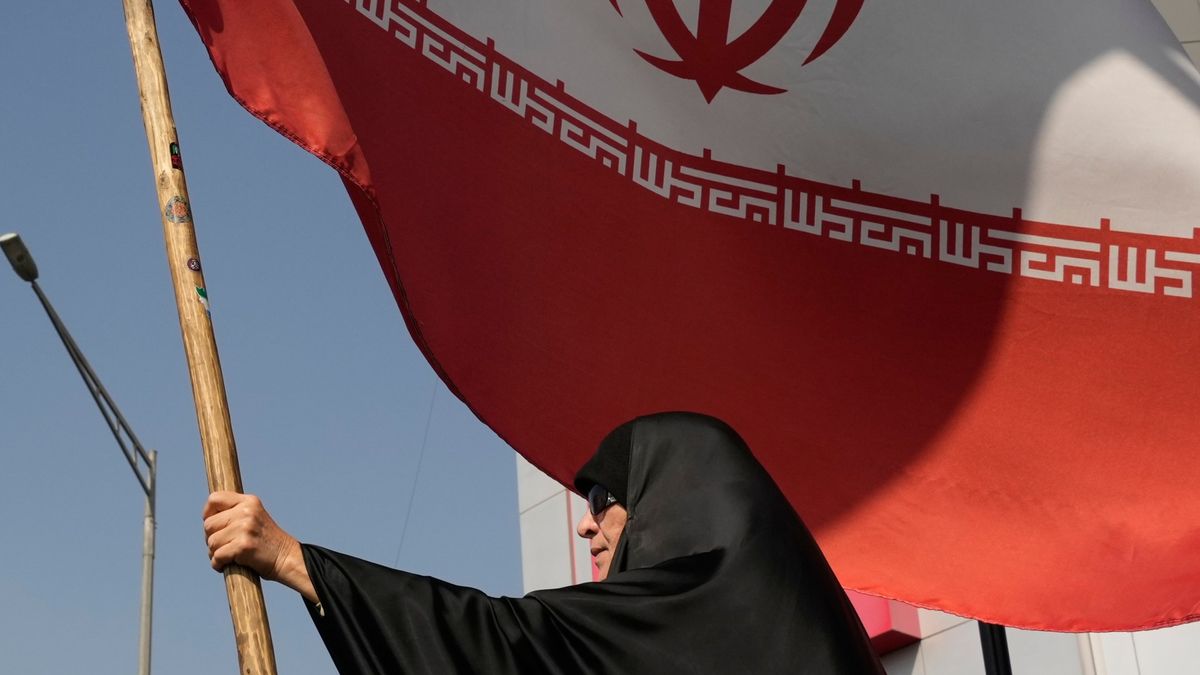
An eight-month undeclared war involving the United States, Israel, and Iran has reached a critical juncture. Tehran has made it clear it will not yield on its core demands: comprehensive sanctions relief, an immediate end to the US naval blockade on its ports in the Persian Gulf, and concrete, durable guarantees that the US will not renew military attacks. In exchange for these conditions, Iran indicates it would facilitate the resumption of normal maritime traffic through the vital Strait of Hormuz. However, the US continues to insist on further concessions from Iran, particularly regarding its nuclear program, before a final peace settlement can be negotiated. This standoff is playing out against a backdrop of intensifying diplomatic efforts from regional powers, including China, Saudi Arabia, Pakistan, and Turkiye, all seeking to avert a wider escalation in a conflict that has already severely disrupted global energy markets and cast a long shadow across the region.
At the heart of this protracted conflict lies Iran's strategic leverage over the Strait of Hormuz, a narrow waterway through which approximately one-fifth of the world's oil and liquefied natural gas (LNG) flowed before the current hostilities. This choke point grants Tehran significant economic power, allowing it to exert pressure on global energy prices and, by extension, the economies of nations far removed from the immediate conflict zone. Attacks on commercial shipping in the Strait have already sent Brent crude surging past $117 a barrel, a stark reminder of Iran's capacity to inflict global economic pain.
Iran's unwavering stance is rooted in a profound and historically justified distrust of Washington. Multiple instances of diplomatic efforts collapsing, including a memorandum of understanding brokered by Pakistan and Qatar that quickly unraveled, have hardened Tehran's resolve. The perception that previous agreements failed to protect it from renewed US and Israeli military actions has led Iran to demand
The Strait of Hormuz is a critical global chokepoint, through which a significant portion of the world's oil and liquefied natural gas (LNG) passes. Iran's control or disruption of this waterway gives it immense leverage over global energy markets and, by extension, the economies of many nations.
Iran's primary demands include comprehensive sanctions relief, an end to the US naval blockade on its ports, and concrete, durable guarantees from the US that military attacks will not be renewed. Tehran views these as essential for its long-term security and deterrence against future aggression.
Upcoming elections in both the US and Israel introduce political calculations into the conflict. Leaders may prioritize projecting strength or securing political victories, potentially influencing decisions on military action or diplomatic engagement, and possibly prolonging the conflict or affecting the terms of any future peace settlement.
Source referenced: ALJAZEERA
This brief was synthesized by our Editorial Engine and reviewed by The Ground Narrative team.


