TRENDING

Friday, 16 October 2026
----------------------
5 Jumada Al-Awwal 1448 AH
The forcible hospitalization of an Indian activist on a 20-day hunger strike has intensified national debate over the country's examination system and the state's handling of public dissent. This incident underscores critical tensions between civil liberties, government authority, and the pressing need for educational reform in the world's largest democracy.
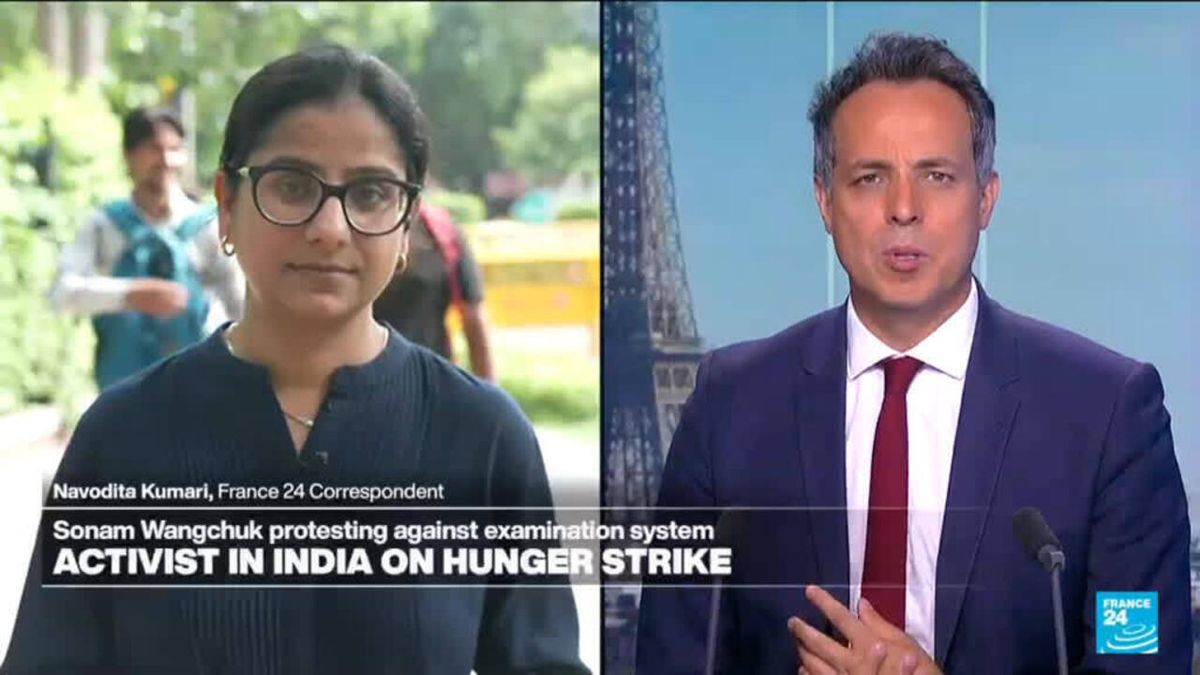
On July 18, 2026, Indian authorities forcibly hospitalized an activist who had been on a hunger strike for 20 days, protesting the nation's examination system. This intervention, occurring in India, has drawn significant national and international attention, reigniting discussions about the balance between individual rights, the state's responsibility for public health, and the broader implications for democratic governance and social stability in India.
The activist's protest, specifically targeting the examination system, highlights deep-seated frustrations within a critical sector of Indian society. India's education system, one of the largest globally, faces immense pressure due to its vast youth population and intense competition for limited opportunities. Flaws or perceived injustices within the examination framework can have profound consequences, affecting millions of students' futures and fueling widespread discontent. The decision to undertake a hunger strike, a historically potent form of non-violent protest, underscores the perceived urgency and gravity of the issues at hand.
India's demographic dividend—its large and young population—is often cited as a key factor in its potential economic growth and global influence. However, this dividend can only be realized if the youth are adequately educated, skilled, and provided with opportunities. A dysfunctional or inequitable examination system directly threatens this potential, leading to widespread disillusionment among young people who see their futures tied to academic success. Such discontent, if unaddressed, can manifest in social unrest, impacting internal stability and potentially diverting government resources from other strategic priorities.
The protest, therefore, is not merely an isolated incident but a symptom of broader societal pressures. It reflects the aspirations and anxieties of a generation grappling with high expectations, fierce competition, and often, a perceived lack of fairness in the systems designed to evaluate their capabilities. For the Indian government, managing these expectations and ensuring a robust, equitable education system is paramount to maintaining social cohesion and fostering long-term national development.
The forcible hospitalization of the activist raises significant questions regarding human rights and civil liberties in India. While authorities may argue that the intervention was necessary to preserve life, critics often view such actions as an infringement on the right to protest and freedom of expression. In a democratic state, the handling of dissent, particularly non-violent forms like hunger strikes, is a crucial indicator of its commitment to democratic principles and human rights.
How India manages such situations has implications for its international standing. As the world's largest democracy and an aspiring global power, India is under increasing scrutiny regarding its adherence to democratic norms and protection of fundamental freedoms. Incidents involving the suppression of protest or perceived overreach by state authorities can attract criticism from international human rights organizations, foreign governments, and global media, potentially affecting India's soft power and diplomatic relations.
The incident is likely to intensify the debate surrounding education reform in India. It places renewed pressure on policymakers to critically evaluate the existing examination system, address its shortcomings, and explore more equitable and effective methods of assessment. Beyond the immediate issue, it also highlights the broader challenge for the Indian government in balancing national security and public order with the constitutional rights of its citizens to protest and express dissent.
In the coming months, observers will be watching how the Indian government responds to the underlying grievances that fueled this protest. A proactive approach involving dialogue, transparent reforms, and respect for civil liberties could help de-escalate tensions and reinforce democratic trust. Conversely, a heavy-handed response risks further alienating segments of the population and potentially catalyzing more widespread social movements. This event serves as a critical barometer of India's evolving democratic landscape and its capacity to address complex social challenges while upholding fundamental rights.
Source referenced: FRANCE24
This brief was synthesized by our Editorial Engine and reviewed by The Ground Narrative team.