TRENDING

Friday, 23 October 2026
----------------------
12 Jumada Al-Awwal 1448 AH
Nobel laureate Herta Müller's new memoir, The Village at the End of the World, offers a visceral depiction of life under Romania's brutal communist dictatorship, highlighting the importance of art as a means of survival and commemoration.
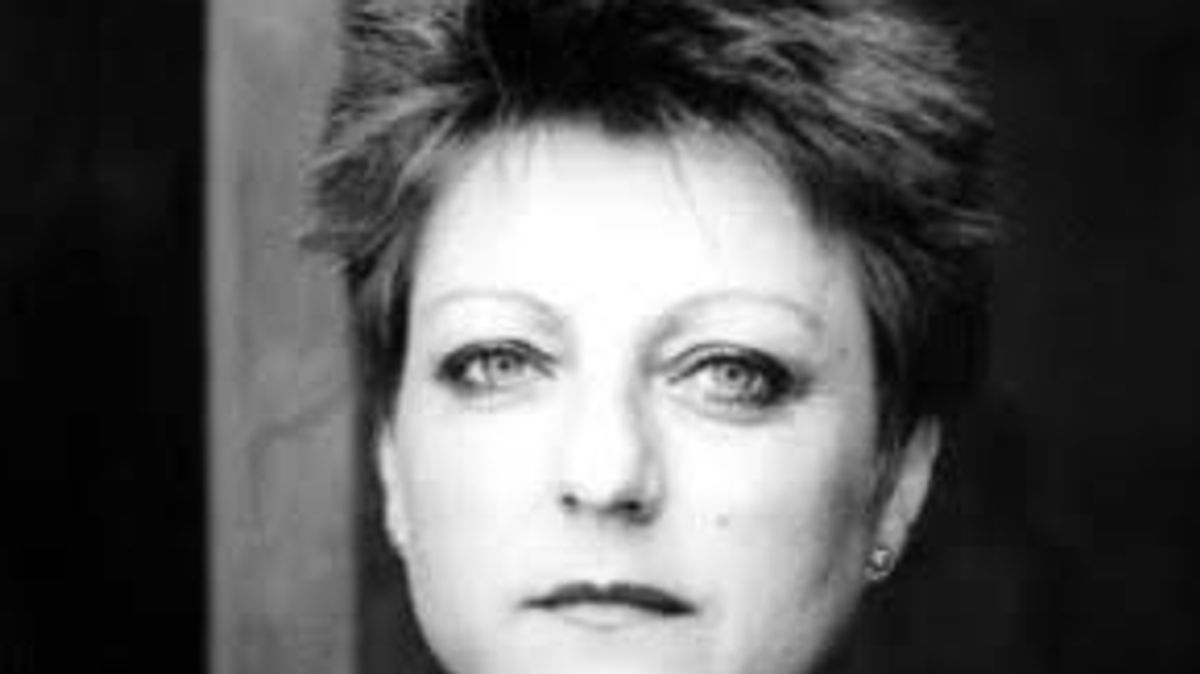
Herta Müller's new memoir, The Village at the End of the World: Writing and Surviving in Ceaușescu's Romania, is a powerful exposé of Romania's unreconciled past. The memoir, translated from the German by Kate McNaughton, provides a visceral and complete depiction of life under tyranny, showcasing how art can serve as a means of both survival and commemoration.
Müller was born in 1953 in Nitzkydorf, a village in western Romania populated by Banat Swabians, an ethnic German minority that had migrated to the area in the 18th century. Her family's history is marked by war and dictatorship, with her grandfather serving in World War I and her father fighting for the Nazi SS in World War II. Romania, run by a fascist dictatorship, was an ally of Nazi Germany until August 1944, murdering hundreds of thousands of Jews in its own territory.
The Communist Party that took power after the war denied Romania's role in the Holocaust and placed much of the blame for fascist crimes on the country's small German minority. The communists confiscated the Müller family's property, and Müller's father returned home an unrepentant Nazi, singing SS songs with his buddies in the village when they'd had too much to drink. Her mother, then aged 17, was sent to a Soviet labor camp at the end of the war, as were many other ethnic German civilians.
Müller's memoir highlights the importance of art as a means of survival and commemoration. Through imagery and metaphor, she attempted to create a firmer reality than the one she was living in. During interrogations, she took note of every detail of her persecutor, from fingernails like "pumpkin seeds" to the soft, hairless slice of calf visible above his trouser leg. While walking around the city, sleep-deprived by stress, she watched others with obsessive vigilance so that she could write down images later: birth marks became pebbles, walking sticks became vanilla pods.
Müller's memoir is a powerful indictment of Romania's failure to reconcile with its past. The country's communist regime was marked by brutality and repression, and the nation's failure to come to terms with this history has had lasting consequences. Müller's memoir is a testament to the importance of art as a means of survival and commemoration, and a reminder of the need for nations to confront their past in order to move forward.
The implications of Müller's memoir extend beyond Romania's borders. The book is a powerful reminder of the importance of confronting the past in order to move forward, and a testament to the enduring power of art to capture the human experience. As the world grapples with its own complex histories and ongoing conflicts, Müller's memoir offers a powerful reminder of the need for nations to come to terms with their past in order to build a more just and equitable future.
The consequences of Romania's failure to reconcile with its past are far-reaching. The country's ongoing struggles with corruption and authoritarianism are, in part, a legacy of its communist past. Müller's memoir is a powerful reminder of the need for nations to confront their past in order to move forward, and a testament to the enduring power of art to capture the human experience.
Editor's Note: Müller's memoir is a powerful indictment of Romania's failure to reconcile with its past, and a testament to the enduring power of art to capture the human experience.
Source referenced: FOREIGNPOLICY
This brief was synthesized by our Editorial Engine and reviewed by The Ground Narrative team.