TRENDING

Thursday, 15 October 2026
----------------------
4 Jumada Al-Awwal 1448 AH
A worsening humanitarian crisis in Haiti is hindering aid deliveries, leaving 1.5 million people internally displaced and exacerbating malnutrition. The international community must address the root causes of this crisis, including the collapse of infrastructure and the rise of armed gangs.
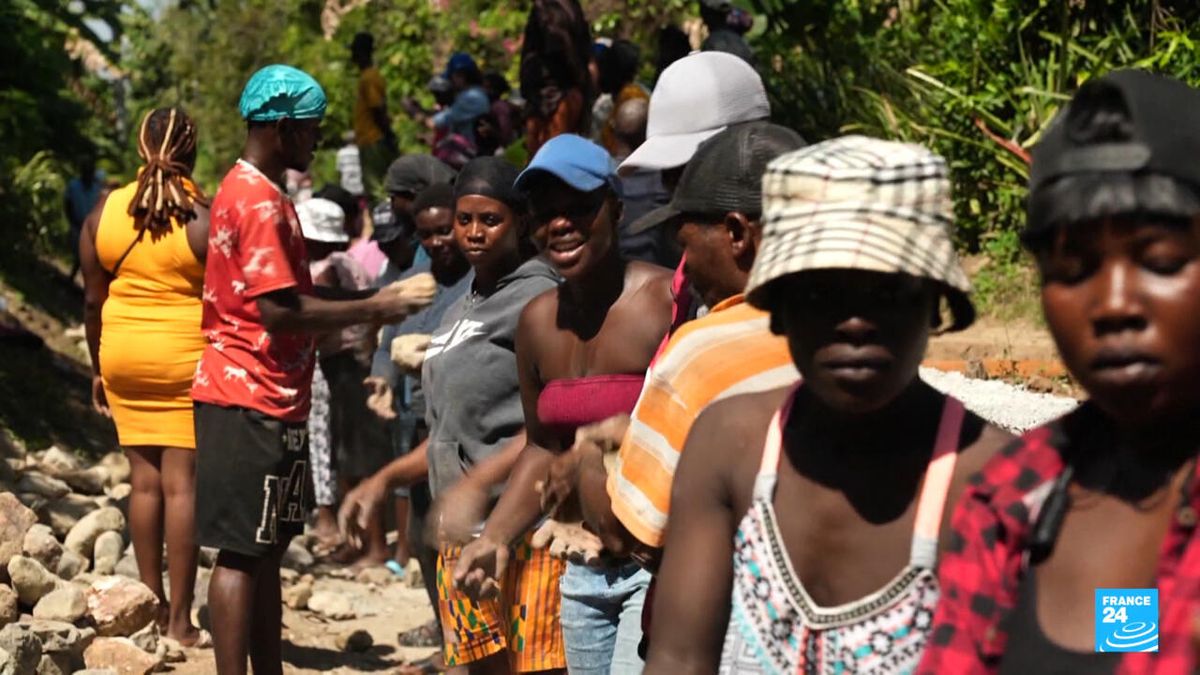
Haiti is facing a dire humanitarian crisis, with 1.5 million people internally displaced and widespread malnutrition. The situation is exacerbated by the collapse of infrastructure, including the capital's roads, airport, and basic services. The international community must address the root causes of this crisis, including the rise of armed gangs and the collapse of the state.
The rise of armed gangs in Haiti's capital and provinces has created a power vacuum, allowing these groups to exert control over key infrastructure and resources. This has led to a surge in violence, kidnappings, and extortion, making it increasingly difficult for aid agencies to deliver humanitarian assistance.
The collapse of Haiti's infrastructure has made it challenging for aid agencies to access the capital and deliver assistance to those in need. The airport is still not fully functioning, and basic services such as healthcare and sanitation are in short supply. This has created a perfect storm of humanitarian needs, with aid agencies struggling to keep up with the demand.
The international community has responded to the crisis with a new security force deployment, but progress has been slow. Aid agencies are working to boost local communities' resilience and keep aid flowing, but the situation remains dire. The UN has warned of a critical food shortage affecting one million Haitian children, highlighting the urgent need for a comprehensive response.
The humanitarian crisis in Haiti has significant strategic implications for the region and the international community. The collapse of the state and the rise of armed gangs have created a power vacuum, allowing other actors to exert influence. The international community must address the root causes of this crisis, including the collapse of infrastructure and the rise of armed gangs, to prevent further destabilization of the region.
The humanitarian crisis in Haiti has far-reaching consequences for the region and the international community. If left unaddressed, it could lead to further destabilization, migration, and regional conflict. The international community must work together to address the root causes of this crisis and provide a comprehensive response to the humanitarian needs of the Haitian people.
The humanitarian crisis in Haiti is a complex and multifaceted issue, requiring a comprehensive response from the international community. The collapse of infrastructure and the rise of armed gangs have created a power vacuum, allowing other actors to exert influence. The international community must address the root causes of this crisis to prevent further destabilization of the region and provide a comprehensive response to the humanitarian needs of the Haitian people.
Editor's Note: The analysis is based on available data and reports from reputable sources, including the UN and aid agencies. However, the situation on the ground is complex and dynamic, and the analysis may be subject to revision as new information becomes available.
Source referenced: FRANCE24
This brief was synthesized by our Editorial Engine and reviewed by The Ground Narrative team.


