TRENDING

Thursday, 15 October 2026
----------------------
4 Jumada Al-Awwal 1448 AH
The appointment of Darline Graham Nordone to the U.S. Senate seat vacated by her late brother, Lindsey Graham, signals a complex interplay of political continuity and potential shifts in foreign policy influence. Backed by President Trump, her entry into the Senate raises questions about the future of hawkish stances on the Middle East and the dynamics of political succession in the United States.
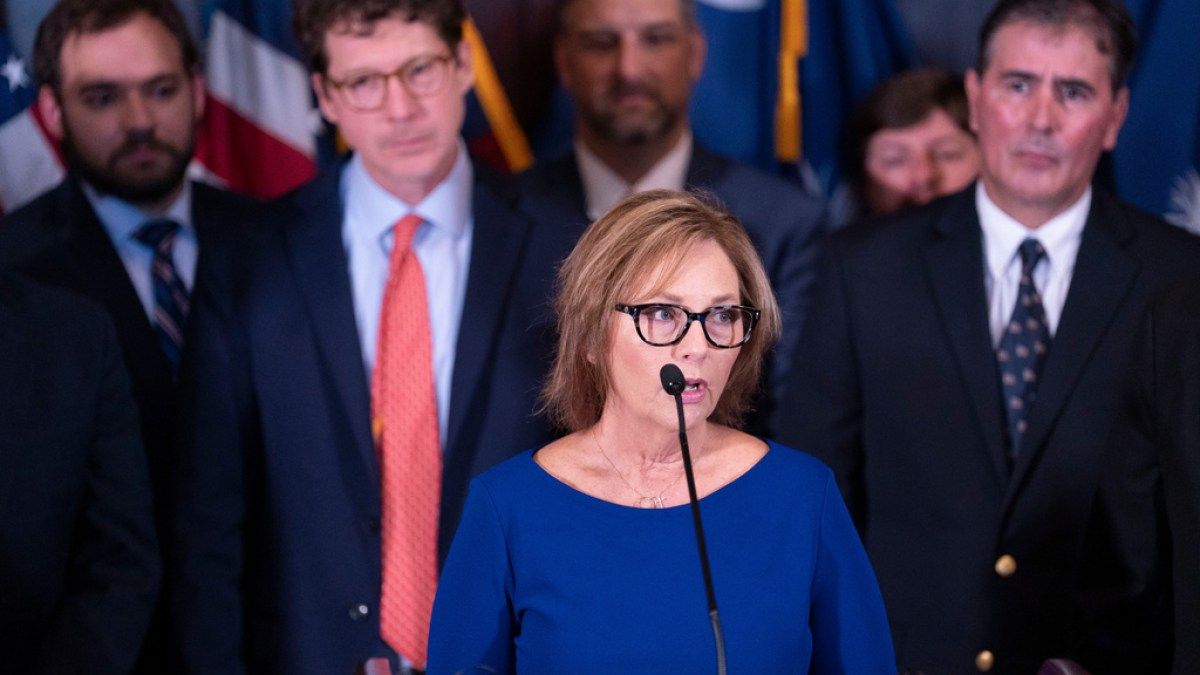
On July 15, 2026, Darline Graham Nordone was sworn in as an interim United States Senator for South Carolina, filling the vacancy created by the sudden death of her brother, Republican Senator Lindsey Graham. This appointment, made by South Carolina Governor Henry McMaster and reportedly at the suggestion of President Donald Trump, is more than a routine political transition; it carries significant geopolitical implications, particularly concerning U.S. foreign policy and the dynamics of power within the Republican Party.
Lindsey Graham was one of the most influential voices in the U.S. Congress, known for his consistently hawkish foreign policy stance and his unwavering support for President Trump. From his position, Graham was a staunch advocate for Israel, particularly during the conflict in Gaza, where he repeatedly argued against imposing limits on U.S. military support and rejected calls for a ceasefire. His influence extended to Iran, where he championed harsher sanctions, backed military action against Tehran's nuclear program, and warned of the necessity to use force to prevent Iran from acquiring nuclear weapons. Graham's death leaves a substantial void in the Senate's foreign policy discourse, particularly within the Republican Party, where his alignment with the executive branch on these critical issues was a cornerstone of strategic consensus.
Darline Graham Nordone, previously active in South Carolina's local government but without prior experience in elected political office, now steps into this high-stakes environment. Her stated intention is to "support the president and carry forward the efforts of my brother on behalf of the citizens of South Carolina and the United States." While this suggests a commitment to continuity, her lack of experience means she does not automatically inherit her brother's decades-long accumulation of influence, committee positions, seniority, or extensive political networks. Republican leaders will determine her committee assignments, requiring her to establish her own standing in Washington. The immediate question is whether she can effectively project the same level of influence on critical foreign policy matters, especially those concerning the Middle East, that her brother commanded.
President Trump's reported suggestion for Nordone's appointment underscores his continued influence within the Republican Party and his strategic interest in maintaining alignment in the Senate. Graham was a pivotal ally in advancing the administration's foreign policy agenda, particularly on issues related to Israel and Iran. By supporting Nordone, the President likely aims to ensure a degree of continuity in these critical areas, mitigating potential shifts in the Senate's hawkish posture. However, the effectiveness of this continuity will depend on Nordone's ability to quickly adapt to the complexities of national security and international relations, and to build the necessary political capital to influence policy decisions.
Nordone's appointment also highlights a recurring, albeit often debated, practice in U.S. politics: the succession of family members to fill vacant legislative seats. Historically known as "widow's succession," this practice has seen spouses or other relatives appointed to complete a deceased lawmaker's term. While proponents argue it provides continuity and, in the past, offered a pathway for women into Congress, critics raise concerns about the democratic implications of an unelected transfer of power. The backlash observed on social media and from some journalists regarding Nordone's lack of political experience and unknown policy positions reflects these broader concerns about meritocracy versus political expediency or dynastic influence. This dynamic is particularly scrutinized in a body like the Senate, which plays a crucial role in shaping national and international policy.
As Senator Nordone begins her tenure, she faces immediate challenges. Beyond establishing her own political identity and influence, she must navigate the complex legislative landscape and articulate clear positions on pressing national and international issues, from abortion and healthcare to foreign policy. Her decision on whether to seek a full six-year term in the upcoming elections will be a critical indicator of her long-term political ambitions and the potential for a sustained family presence in South Carolina's representation. For now, her appointment represents a strategic move to maintain a particular ideological alignment in the Senate, while simultaneously opening a new chapter in the ongoing debate about political succession and democratic representation in the United States.
Source referenced: ALJAZEERA
This brief was synthesized by our Editorial Engine and reviewed by The Ground Narrative team.


