TRENDING

Monday, 19 October 2026
----------------------
8 Jumada Al-Awwal 1448 AH
A catastrophic ferry capsizing off Guyana has claimed at least 27 lives with 83 still missing, prompting an international search effort and raising critical questions about maritime safety standards. The incident occurred on a vital route to the oil-rich Essequibo region, a territory central to an ongoing dispute with Venezuela.
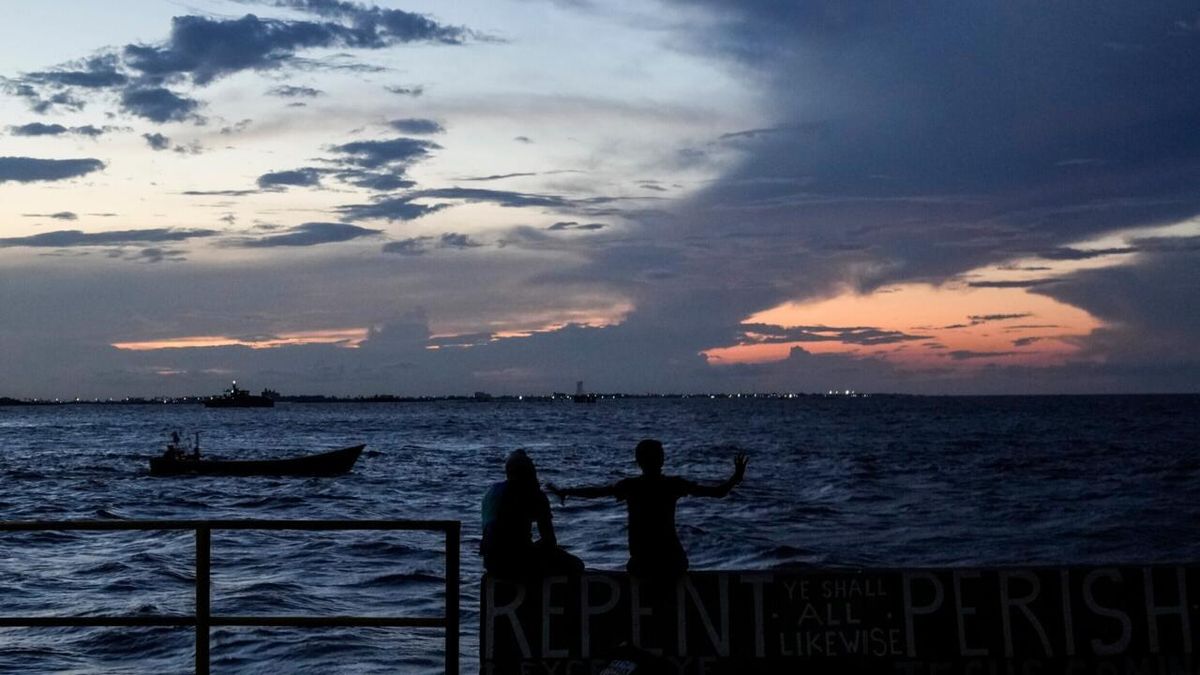
A devastating maritime incident occurred off the coast of Guyana on Saturday night, July 19, 2026, when the MV Barima ferry capsized while en route from the capital, Georgetown, to the inland Essequibo region. As of Monday, July 21, Prime Minister Mark Phillips confirmed at least 27 fatalities, with 83 individuals still unaccounted for. Sixty-nine passengers have been successfully rescued from the disaster, which has plunged the small South American nation into mourning and prompted a large-scale search and rescue operation.
The MV Barima, an aging vessel reportedly built in 1939, overturned approximately eight hours after its departure. The distress call was received late Saturday, initiating a frantic search effort that has since expanded significantly, covering an area of 1,070 square kilometers (413 square miles). Local fishermen have joined Guyanese authorities in the recovery efforts, underscoring the community's immediate response to the tragedy. In a notable act of regional cooperation, the French army dispatched 12 divers, two doctors, and a mechanic from nearby French Guiana to assist, highlighting the humanitarian dimension of the crisis and cross-border solidarity.
The precise cause of the MV Barima's capsizing remains under investigation. However, preliminary findings and statements from Guyanese officials have raised serious concerns regarding maritime safety protocols and oversight. Public Works Minister Juan Edghill initially noted discrepancies in the vessel's passenger manifest, which listed 133 people, while Prime Minister Phillips later expressed confidence that 179 individuals were aboard. This significant disparity suggests potential overcrowding or inadequate record-keeping, which could have contributed to the disaster's scale and complicated rescue efforts.
Further compounding these concerns, Prime Minister Phillips disclosed that two crew members aboard the MV Barima tested positive for marijuana following the incident. While the direct causal link to the capsize is yet to be established, this revelation points to potential issues with crew fitness and operational safety standards. The combination of an aging vessel, a potentially inaccurate passenger count, and questions surrounding crew conduct will be central to the ongoing inquiry, which is expected to scrutinize Guyana's maritime regulatory framework and enforcement mechanisms.
The destination of the ill-fated ferry, the Essequibo region, adds a significant geopolitical layer to this domestic tragedy. Guyana, an English-speaking nation situated at the northeast corner of South America, is embroiled in a long-standing and increasingly tense territorial dispute with neighboring Venezuela over this resource-rich area. The Essequibo region is not only vast but also holds substantial oil reserves, making it a critical economic and strategic asset for Guyana's future.
The ferry route from Georgetown to the Essequibo region is a vital artery for transport, commerce, and the administration of this strategically important territory. The incident, therefore, not only represents a profound humanitarian crisis but also implicitly highlights the challenges of maintaining robust infrastructure and reliable connectivity to a region that is central to Guyana's sovereignty and economic prosperity. While the capsize is a domestic incident, its occurrence on a route to a disputed, oil-rich territory underscores the broader context of Guyana's development and security challenges in a geopolitically sensitive area.
The MV Barima disaster will likely prompt a comprehensive review of Guyana's public transportation infrastructure, particularly its maritime safety regulations and enforcement. The scale of the loss of life and the questions surrounding the vessel's condition and operation demand a thorough examination to prevent future tragedies. For a nation with extensive riverine and coastal communities, reliable and safe maritime transport is not merely a convenience but a necessity for economic activity, social cohesion, and national integration.
Beyond the immediate humanitarian response, the incident serves as a stark reminder of the vulnerabilities inherent in developing nations' infrastructure. The international assistance provided by France from French Guiana exemplifies the potential for regional cooperation in times of crisis, fostering diplomatic ties and demonstrating shared humanitarian values. As Guyana continues its search for the missing and begins the arduous process of investigation and recovery, the long-term implications for its maritime sector, public trust, and regional standing will undoubtedly be significant.
Source referenced: FRANCE24
This brief was synthesized by our Editorial Engine and reviewed by The Ground Narrative team.