TRENDING

Saturday, 7 November 2026
----------------------
27 Jumada Al-Awwal 1448 AH
The killing of Congressman Julio Portillo and three police officers in Zacapa underscores how drug cartels shape Guatemalan politics. As the nation heads toward a pivotal election, ordinary citizens bear the brunt of a conflict hidden from headlines.
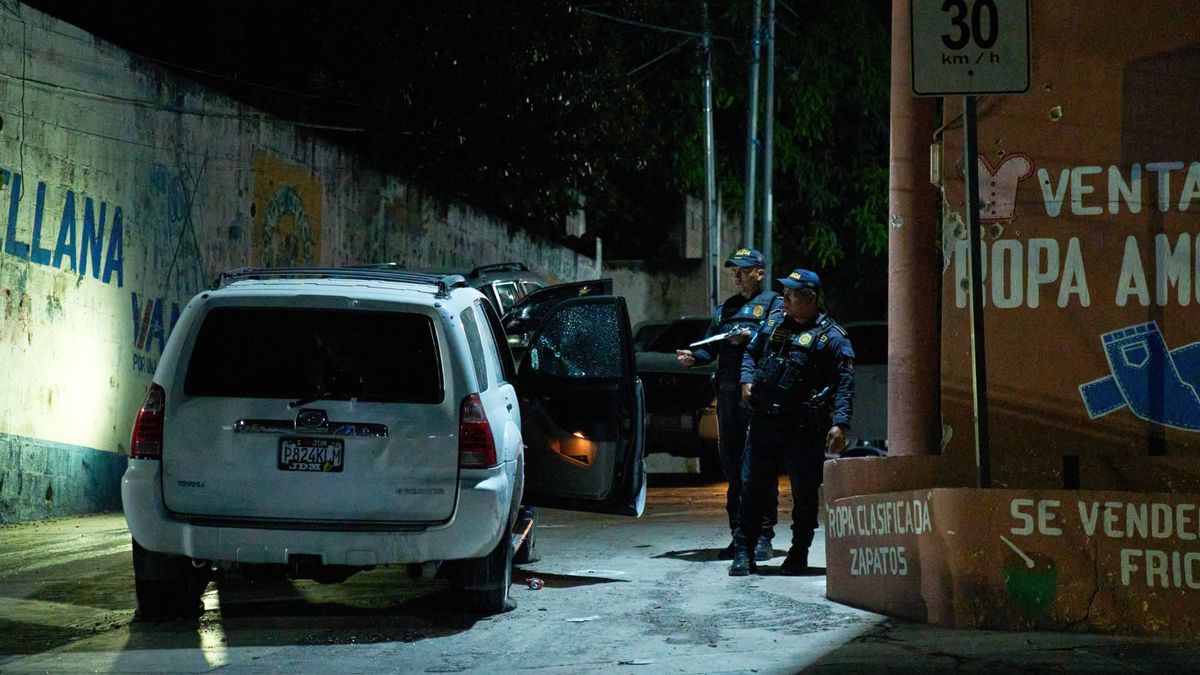
On November 6, 2026, an armed assault in Rio Hondo, eastern Guatemala, left Congressman Julio Portillo dead and claimed three National Civil Police officers. Authorities have not named a perpetrator, but the region is known for the Lorenzana family cartel, which maintains ties to Mexico’s Sinaloa cartel. The attack follows the murder of former anti‑corruption prosecutor Juan Francisco Solorzano Foppa three weeks earlier, raising alarms about a possible resurgence of politically motivated violence.
The killing sits at the intersection of three structural forces. First, the drug trade in Zacapa generates a parallel economy that rivals state authority. The Lorenzana family cartel controls key smuggling routes to the Caribbean, leveraging bribes and intimidation to keep local officials compliant. Second, Guatemala’s fragile democratic institutions make political allegiance a bargaining chip; Portillo’s switch from the opposition Cabal party to the ruling National Unity of Hope (UNE) signaled a strategic realignment ahead of the 2027 presidential race, potentially threatening cartel‑friendly legislators. Third, the security apparatus is under‑resourced and politicized. Police officers in rural departments often lack protective equipment, making them vulnerable to retaliation when they intervene in cartel activities. The convergence of illicit profit, electoral calculus, and a weak state creates a feedback loop where violence becomes a tool for both criminal and political actors to preserve power.
The communities surrounding Rio Hondo depend on agriculture and informal trade. Cartel extortion drains household incomes, forcing many to choose between paying protection fees or facing violent reprisals. The loss of a local representative removes a potential advocate for development projects, deepening economic marginalisation.
The three slain officers left behind widows, children, and aging parents who receive modest state pensions. In a country where police salaries rank among the lowest in Central America, the death of a colleague often translates into immediate financial insecurity for the family, while also discouraging recruitment in high‑risk zones.
With Sandra Torres poised to run for president under the UNE banner, the assassination sends a chilling signal to other candidates: aligning with or opposing cartel interests can be a matter of life or death. Voters in Zacapa, already skeptical of political promises, may become further disillusioned, lowering turnout and eroding the legitimacy of the electoral process.
Official statements have framed the incident as an isolated criminal act, emphasizing the need for a swift investigation. What is omitted is the systemic collusion between local law enforcement and cartel networks that enables such attacks to occur with impunity. Prosecutors have not disclosed whether any intelligence linked the assailants to the Lorenzana family, nor have they addressed the pattern of recent high‑profile killings of anti‑corruption figures. Moreover, international partners, including the United States, have downplayed the role of transnational drug routes, focusing instead on generic security assistance, thereby sidestepping the deeper economic dependencies that fuel the violence.
- Election dynamics: Monitor how UNE candidates position themselves on security and drug‑trafficking policies, and whether they receive covert support from cartel‑linked donors.
- Judicial proceedings: The speed and transparency of the investigation into Portillo’s murder will indicate whether the state can assert authority over organized crime.
- US‑Guatemala security cooperation: Any shift in aid or joint operations targeting the Sinaloa cartel’s Central American corridors could alter the balance of power in Zacapa.
- Community responses: Grassroots movements demanding accountability may emerge, offering a barometer of public tolerance for continued violence.
- Regional spillover: Increased cartel activity could pressure neighboring Honduras and El Salvador, potentially prompting a coordinated regional response.
By tracking these variables, readers can gauge whether Guatemala’s political landscape will pivot toward greater state control or sink deeper into the shadow economy that now claims the lives of lawmakers and police alike.
While no official claim has been made, the Lorenzana family cartel, which controls drug routes in Zacapa and is linked to Mexico’s Sinaloa cartel, is widely suspected due to its dominance in the region.
The murder sends a warning to candidates about the risks of confronting cartel interests, potentially influencing party platforms, voter turnout, and the willingness of politicians to address organized‑crime corruption.
Source referenced: ALJAZEERA
This brief was synthesized by our Editorial Engine and reviewed by The Ground Narrative team.