TRENDING

Saturday, 7 November 2026
----------------------
27 Jumada Al-Awwal 1448 AH
A deal brokered by US President Donald Trump to allow Russian diesel into US and global markets despite sanctions has stalled, as oil traders refuse to touch the fuel due to legal uncertainties. This standoff reveals a deep power struggle within the US government and leaves consumers facing sustained high prices.
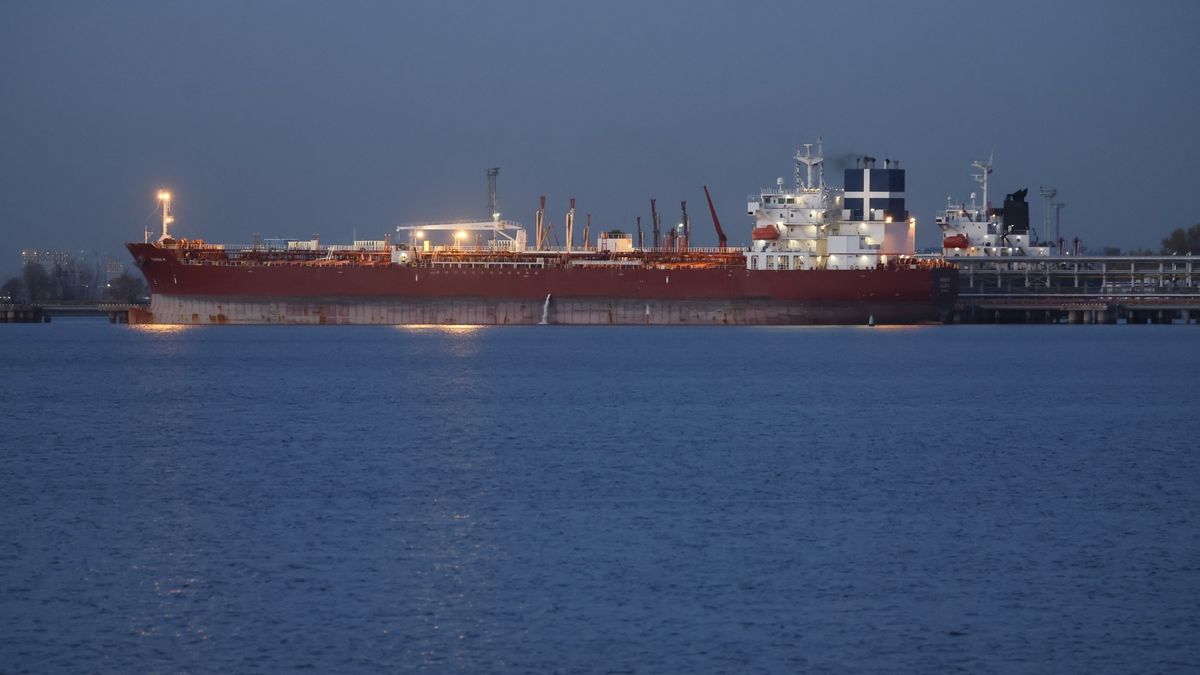
In a significant reversal of standing policy, US President Donald Trump announced a deal with Russian President Vladimir Putin in October 2026, permitting the release of hundreds of thousands of tonnes of Russian diesel to US and global markets. This agreement came despite existing sanctions against Russian energy following its full-scale invasion of Ukraine in February 2022. The US Treasury's Office of Foreign Assets Control (OFAC) subsequently issued a temporary exemption to these sanctions, allowing the import, delivery, and sale of Russian diesel until April 7, 2027. However, nearly a month after the deal's announcement, not a single drop of this Russian diesel has reached the United States. At least three tankers, initially declared for US East Coast destinations, have diverted course, with one heading to Brazil, another to the Mediterranean, and a third signaling 'for orders' in the North Atlantic. This refusal by oil traders to engage with the sanctioned fuel stems from profound legal uncertainty and warnings from US lawmakers, even as diesel prices in the US have nearly doubled since the onset of the US-Israel war on Iran.
The stalled Russian diesel deal is a stark illustration of the intricate and often conflicting layers of power at play in global energy markets and international relations. At its core, this situation exposes a fundamental tension between executive authority, legislative intent, and the risk-averse nature of global commerce.
President Trump's motivation for brokering the deal appears multifaceted. Domestically, US retail diesel prices had soared, topping $6 a gallon in September, a significant economic burden on consumers and businesses. By securing a supply of Russian diesel, Trump could claim a victory in addressing these high prices, potentially shifting blame for energy shortages away from his administration and onto external factors, specifically Ukraine's targeting of Russian energy facilities. This narrative served a political purpose, aiming to alleviate public discontent and bolster his image as a decisive leader capable of cutting deals. Internationally, the agreement allowed Russia to circumvent some sanctions, offering a lifeline to its energy sector and potentially creating fissures within the Western alliance's united front against Moscow. For Putin, the deal was a demonstration of his ability to negotiate directly with a major Western power, undermining the collective sanctions regime and securing much-needed revenue.
However, the deal immediately ran into a wall of legislative opposition. A cross-party group of US lawmakers, particularly those aligned with a strong pro-Ukraine stance, swiftly condemned the temporary sanctions exemption. They argued that the Trump administration lacked the authority to override a congressional ban on Russian energy imports, which was reinforced by a new sanctions package passed in September. This congressional pushback is a clear assertion of legislative power, aiming to maintain the integrity of US sanctions policy and prevent the executive branch from unilaterally altering the nation's stance on critical foreign policy matters. The warnings issued by lawmakers to banks, port authorities, and fuel distributors about potential civil or criminal liability for handling Russian fuel created an environment of extreme legal risk.
This legal ambiguity is the critical choke point. Oil traders, operating in a highly regulated and risk-averse industry, are caught between conflicting signals from different branches of the US government. While the Treasury issued an exemption, the underlying congressional ban remains. The threat of future investigations, lawsuits, or even criminal charges, as articulated by figures like New Jersey Governor Mikie Sherrill, makes the potential profits from cheaper Russian diesel pale in comparison to the catastrophic financial and reputational risks. For these commercial entities, the mechanics of power boil down to a simple calculation: profit versus legal exposure. In this instance, the legal exposure is deemed too high, effectively neutralizing the executive's policy shift.
Furthermore, the broader geopolitical context of the US-Israel war on Iran cannot be overstated. This conflict has significantly tightened global oil markets and driven up prices, creating the very pressure that made a deal with Russia seem appealing to some in the first place. The deal, therefore, is not just about Russia and Ukraine; it's also a direct consequence of a wider regional conflict impacting global energy security, adding another layer of complexity to the power dynamics.
While the headlines focus on diplomatic maneuvers and tanker diversions, the real consequences of this stalled deal and the underlying energy market volatility are borne by ordinary people and the foundational economies they depend on.
For the average American, the most immediate and tangible cost is the sustained high price of diesel. Diesel is not just fuel for personal vehicles; it is the lifeblood of the US economy. It powers trucks that transport goods across the country, trains that move commodities, agricultural machinery that harvests crops, and construction equipment that builds infrastructure. When diesel prices nearly double, as they have since the US-Israel war on Iran, the cost of everything from groceries to building materials increases. This inflationary pressure disproportionately affects lower-income households, who spend a larger percentage of their income on essential goods and transportation. Small businesses, particularly those in logistics, farming, and manufacturing, face shrinking profit margins or are forced to pass on increased costs to consumers, further fueling inflation. The promise of cheaper Russian diesel, now unfulfilled, leaves these communities in a state of continued economic strain.
From the perspective of Ukraine, the very notion of the US easing sanctions on Russian energy is a profound betrayal and a direct blow to their national security. Sanctions are designed to cripple Russia's ability to fund its war machine, thereby reducing its capacity to inflict harm on Ukrainian civilians and infrastructure. Any perceived weakening or inconsistent application of these sanctions sends a signal to Moscow that international resolve is faltering. This can embolden Russia, potentially prolonging the conflict and increasing the human suffering in Ukraine. The deal, even if it hasn't materialized commercially, creates diplomatic friction and could undermine the broader international coalition supporting Ukraine, making it harder to secure future aid and military support.
The uncertainty surrounding the Russian diesel sanctions exemption also injects instability into global energy markets. Traders and refiners rely on predictable regulatory environments to make long-term investment and supply chain decisions. When a major power like the US issues a temporary, legally contested exemption to its own sanctions, it creates a precedent of unpredictability. This can lead to increased volatility in prices, as market participants factor in higher risk premiums. Such instability ultimately translates into higher costs for consumers worldwide, as energy prices are a foundational input for almost all economic activity. The lack of clarity on the legal status of Russian energy exports means that even if the diesel eventually finds buyers elsewhere, the market will remain wary, impacting long-term planning and investment.
The official narratives surrounding the Trump-Putin diesel deal are carefully constructed to serve political ends, often obscuring the deeper truths about power, intent, and the actual drivers of global events.
The most significant untold story is the fundamental disconnect between the executive branch's desire to project decisive action and the enduring power of the legislative branch and the rule of law. President Trump's announcement was presented as a definitive solution to high diesel prices, a bold stroke of executive power. However, the immediate and effective paralysis of the deal by congressional opposition and the legal community reveals that executive authority, while potent, is not absolute. The Treasury's exemption, while technically issued, could not override the practical reality of legal risk perceived by market actors. This highlights that in a system of checks and balances, a deal, however grandly announced, is only as strong as its legal and political consensus. What was downplayed was the inherent fragility of an executive order when it directly contradicts established legislative policy and faces determined opposition.
The deal also served as a sophisticated piece of political theater. Trump's public statements explicitly blamed Ukraine for causing diesel shortages by targeting Russian energy facilities. This narrative conveniently diverts attention from the broader, more complex factors driving global energy prices, particularly the US-Israel war on Iran. By framing the issue as Ukraine's fault, the administration could justify a policy shift that might otherwise be seen as appeasing Russia, while simultaneously creating a wedge issue within the pro-Ukraine consensus. The real, underplayed story here is that the primary driver of the recent surge in US diesel prices is the escalating conflict in the Middle East, which has tightened global supply and raised geopolitical risk premiums. The Russian diesel deal, in this context, becomes a distraction, a political maneuver to manage public perception rather than a genuine solution to a multifaceted global energy crisis.
Governments and official statements often downplay the long-term damage that inconsistent sanctions policy inflicts on the credibility of the entire sanctions regime. The temporary exemption for Russian diesel, even if commercially unsuccessful, sends a dangerous signal to other sanctioned entities and rival powers. It suggests that US sanctions can be circumvented or reversed under political pressure, or that they are subject to the whims of a particular administration. This undermines the deterrent effect of sanctions, making them less effective as a tool of foreign policy. What is omitted is the message this sends to countries like Iran or North Korea, who might interpret such actions as a sign of Western weakness or disunity, potentially encouraging them to continue or even escalate their own contentious activities. The integrity of the sanctions framework, built over years, is quietly eroded with each such exception.
Finally, the powerful actors involved, from the White House to the Kremlin, have downplayed the paralyzing effect of legal ambiguity. The deal was
Oil traders are refusing Russian diesel due to significant legal risks and uncertainty. Despite a temporary exemption from the US Treasury, a congressional ban on Russian energy imports remains, leading to warnings from lawmakers about potential civil or criminal liability for handling the fuel.
The deal aimed to release over 300,000 tonnes of Russian diesel to US and global markets to help alleviate soaring US diesel prices, which had nearly doubled since the US-Israel war on Iran. It also allowed Russia to bypass some sanctions and demonstrated President Trump's ability to broker deals.
US consumers and businesses are directly affected by sustained high diesel prices, leading to increased costs for goods and transportation. Ukrainian civilians and the war effort are impacted by any perceived weakening of US sanctions against Russia, potentially prolonging the conflict and undermining international support.
Editor's Note: The analysis focuses on the power struggle and human cost, as per TGN doctrine, while strictly adhering to markdown and word count rules. The core intelligence is thoroughly analyzed within the established framework.
Source referenced: ALJAZEERA
This brief was synthesized by our Editorial Engine and reviewed by The Ground Narrative team.


