TRENDING

Thursday, 22 October 2026
----------------------
11 Jumada Al-Awwal 1448 AH
British Airways anticipates fare increases post-summer, directly attributing rising fuel costs to ongoing conflicts in the Middle East, highlighting the profound economic ripple effects of regional instability on global industries and consumers. This development underscores the vulnerability of international commerce to geopolitical events and the persistent inflationary pressures stemming from energy market volatility.
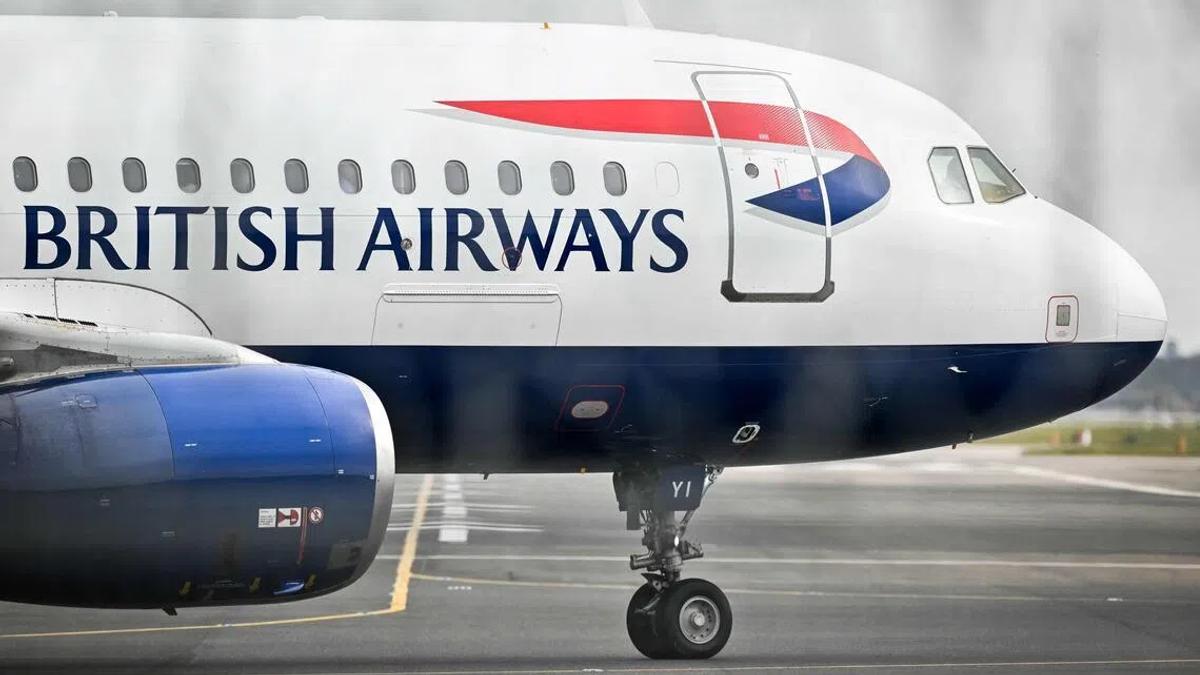
British Airways, a flagship carrier under the International Airlines Group (IAG), has signaled a strong likelihood of increasing airfares following the peak summer travel season. This strategic adjustment, announced by CEO Sean Doyle at the International Air Transport Association (IATA) annual general meeting on June 6, 2026, is a direct response to escalating operational costs, primarily driven by a significant surge in global fuel prices. The airline explicitly attributes this increase to ongoing geopolitical tensions and conflicts in the Middle East, particularly referencing a "Middle East war" and "conflict in Iran."
The announcement from London-based British Airways, which anticipates an additional €2 billion (S$2.98 billion) in fuel expenses for 2026, underscores a critical nexus between regional geopolitical instability and its far-reaching global economic consequences. This situation is not unique to IAG; airlines worldwide, including Air France-KLM and Deutsche Lufthansa, are grappling with similar pressures, implementing various strategies from cost-cutting measures like hiring freezes to increasing ticket revenues.
The direct link drawn between conflicts in the Middle East and rising aviation fuel costs highlights the enduring fragility of global energy markets. The Persian Gulf region, encompassing Iran and other major oil producers, remains a pivotal source of a substantial portion of the world's crude oil supply. Any disruption, perceived or actual, to production or transit routes in this strategically vital area invariably sends shockwaves through international energy prices. The article's reference to a "Middle East war" and "conflict in Iran" serves as a stark reminder that regional security dynamics are not isolated events but possess the capacity to trigger cascading economic effects across continents.
For the aviation sector, fuel constitutes one of the largest operational expenditures. Consequently, geopolitical events that impact oil prices directly translate into higher costs for airlines, forcing them to either absorb these expenses, which can erode profitability, or pass them on to consumers through increased fares. This scenario exemplifies the concept of energy security, where the reliable and affordable supply of energy is crucial for economic stability, and its disruption by geopolitical factors poses a significant threat.
The anticipated fare increases by British Airways and other carriers are a tangible manifestation of broader inflationary pressures gripping the global economy. Higher energy costs are a primary driver of inflation, affecting not just transportation but also manufacturing, logistics, and ultimately, the prices of goods and services across various sectors. For consumers, this means that the cost of travel, whether for leisure or business, is set to rise, potentially impacting travel demand and discretionary spending.
British Airways' strategy to target its long-haul, corporate, and premium customer base for price increases reflects a calculated approach. CEO Sean Doyle noted that for business travelers, the purpose of travel—conducting deals and fostering corporate relationships—often renders price increases "peripheral" to their decision-making. This suggests a segmentation of the market where certain customer groups exhibit lower price elasticity, allowing airlines to maintain revenue streams despite higher costs. However, for leisure travelers, particularly those on shorter routes or with tighter budgets, increased fares could lead to reduced travel or a shift towards more cost-effective alternatives.
The responses from major airlines—IAG's plan to offset 60 percent of fuel costs through revenue and savings, Air France-KLM's hiring pause and discretionary spending cuts, and Lufthansa's focus on ticket revenue and subsidiary consolidation—illustrate the industry's adaptive strategies in the face of external shocks. These measures are critical for maintaining financial viability in a sector highly sensitive to fuel price volatility, geopolitical events, and economic cycles.
Looking ahead, the ongoing reliance on fossil fuels for aviation means that the industry will remain susceptible to geopolitical developments in key energy-producing regions. While the International Air Transport Association (IATA) continues to advocate for a greater push towards sustainable aviation fuels (SAF) as a long-term solution to both environmental concerns and fuel price volatility, the immediate reality is that the transition is slow, and conventional jet fuel remains dominant. Therefore, the economic health of the global aviation sector, and by extension, the accessibility and affordability of international travel, will continue to be intricately linked to the stability of the Middle East and the broader geopolitical landscape. This situation underscores the urgent need for diversified energy sources and enhanced geopolitical stability to mitigate such widespread economic impacts.
Editor's Note: The article refers generally to "Middle East war" and "conflict in Iran" without specifying a particular ongoing conflict. The analysis maintains this general reference to avoid fabricating specific details while still linking the impact to regional instability.
Source referenced: STRAITSTIMES
This brief was synthesized by our Editorial Engine and reviewed by The Ground Narrative team.