TRENDING

Wednesday, 14 October 2026
----------------------
3 Jumada Al-Awwal 1448 AH
France's critical nuclear power infrastructure is facing unprecedented challenges as extreme heatwaves force reactor shutdowns and power reductions. This situation highlights the growing vulnerability of national energy security to climate change and the complex trade-offs between environmental protection and electricity demand.
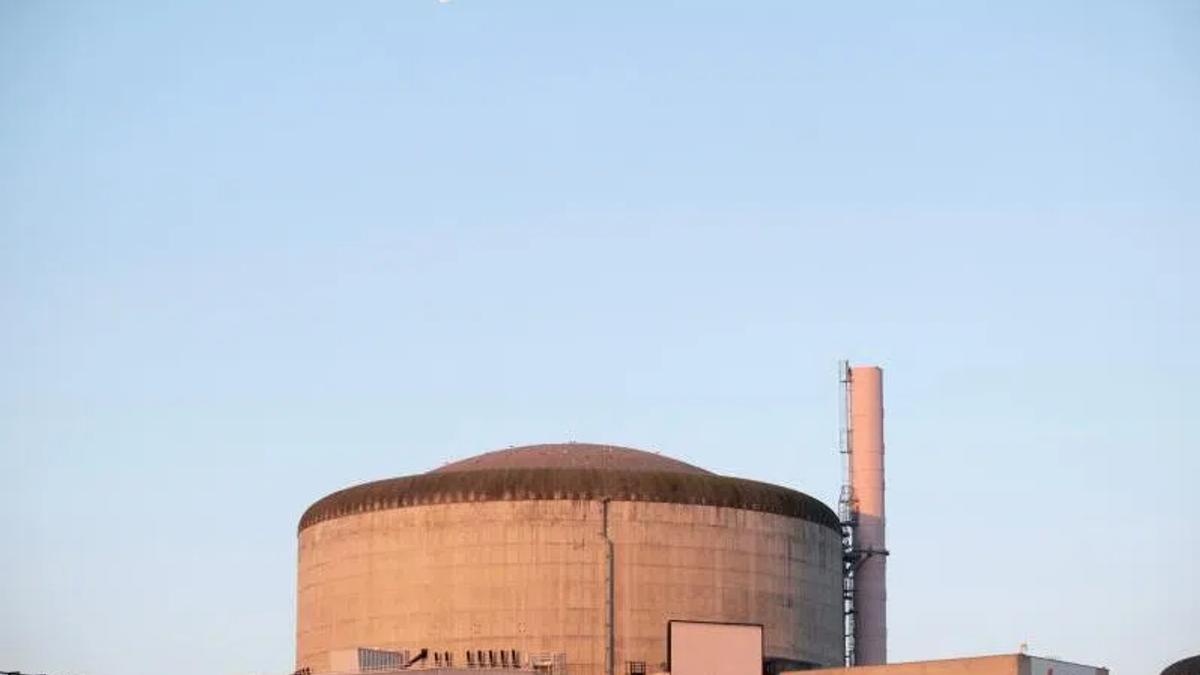
On July 12, 2026, France's primary energy provider, EDF, announced the temporary shutdown of three nuclear reactors and reduced power output from eight others. This significant disruption to the nation's electricity supply was a direct consequence of a severe heatwave sweeping across France, marking the third such event since May. The affected plants, including Golfech, Bugey, and Chooz, are strategically located on the banks of the Garonne, Rhone, and Meuse rivers, respectively, underscoring the critical link between water resources and nuclear power generation.
The decision to power down reactors stems from stringent environmental regulations governing the discharge of cooling water. Nuclear power plants rely heavily on river water to cool their reactors. This process heats the water, which is then released back into the river. During periods of extreme heat, river temperatures naturally rise. Discharging additional hot water from power plants could further elevate these temperatures, posing a severe threat to aquatic ecosystems. EDF explicitly stated that the shutdowns were implemented "to comply with regulations on (cooling water) discharges, and thus to protect the environment."
This situation highlights a growing dilemma: balancing environmental protection with the imperative of maintaining a stable energy supply. The French economy ministry's temporary exemption, issued on July 11, for temperature limits around the Bugey plant on the Rhone river, valid until July 20, illustrates this tension. The exemption was granted "to ensure the security of the power grid," indicating the government's recognition of the immediate threat to national energy stability. This marks the second instance in recent weeks that EDF has been compelled to halt nuclear reactors due to extreme heat, following a record-breaking heatwave in June.
France's energy mix is heavily reliant on nuclear power, which typically accounts for approximately 70% of its electricity generation. This high dependency makes the nation particularly vulnerable to disruptions affecting its nuclear fleet. The current heatwave, with temperatures soaring up to 41 degrees Celsius and affecting over 25 million people, significantly increases electricity demand, primarily for air conditioning. The simultaneous reduction in supply due to reactor shutdowns creates a precarious energy security situation.
Economically, such disruptions can lead to increased electricity prices, strain on industrial operations, and broader economic instability. Beyond the direct energy impact, the heatwave itself has caused widespread economic and social disruption, including the early closure of tourist attractions, event cancellations, and even a shortened stage of the Tour de France. The proliferation of wildfires and a spike in drowning deaths further underscore the multifaceted crisis.
The increasing frequency and intensity of heatwaves in France are consistent with scientific projections linking man-made climate change to extreme weather events. Since the end of May, France has experienced repeated episodes of intense heat, leading to excess mortality and exposing significant vulnerabilities in infrastructure not adapted to such conditions. This recurring pattern suggests that the current challenges are not isolated incidents but rather symptoms of a long-term trend that will continue to test the resilience of critical national infrastructure.
The situation in France serves as a stark reminder of the global implications of climate change on energy security and national resilience. For a nation that has historically championed nuclear power as a cornerstone of its energy independence and decarbonization efforts, these climate-induced shutdowns present a complex strategic challenge. It necessitates a re-evaluation of long-term energy strategies, potentially involving investments in more climate-resilient cooling technologies for existing nuclear plants, diversification of energy sources, or enhanced grid flexibility.
Furthermore, as Europe's largest nuclear power producer, France's energy stability has broader regional implications. Disruptions to its grid can affect neighboring countries that rely on French electricity exports, potentially creating a domino effect across the European energy market. The ongoing crisis underscores the urgent need for comprehensive climate adaptation strategies, not just for energy infrastructure but across all sectors, to mitigate the escalating risks posed by a warming planet.
Source referenced: STRAITSTIMES
This brief was synthesized by our Editorial Engine and reviewed by The Ground Narrative team.


