TRENDING

Monday, 26 October 2026
----------------------
15 Jumada Al-Awwal 1448 AH
The murder of 11-year-old Lyhanna has sparked outrage in France, exposing systemic failures in the country's judicial system and raising questions about the government's handling of child abuse cases.
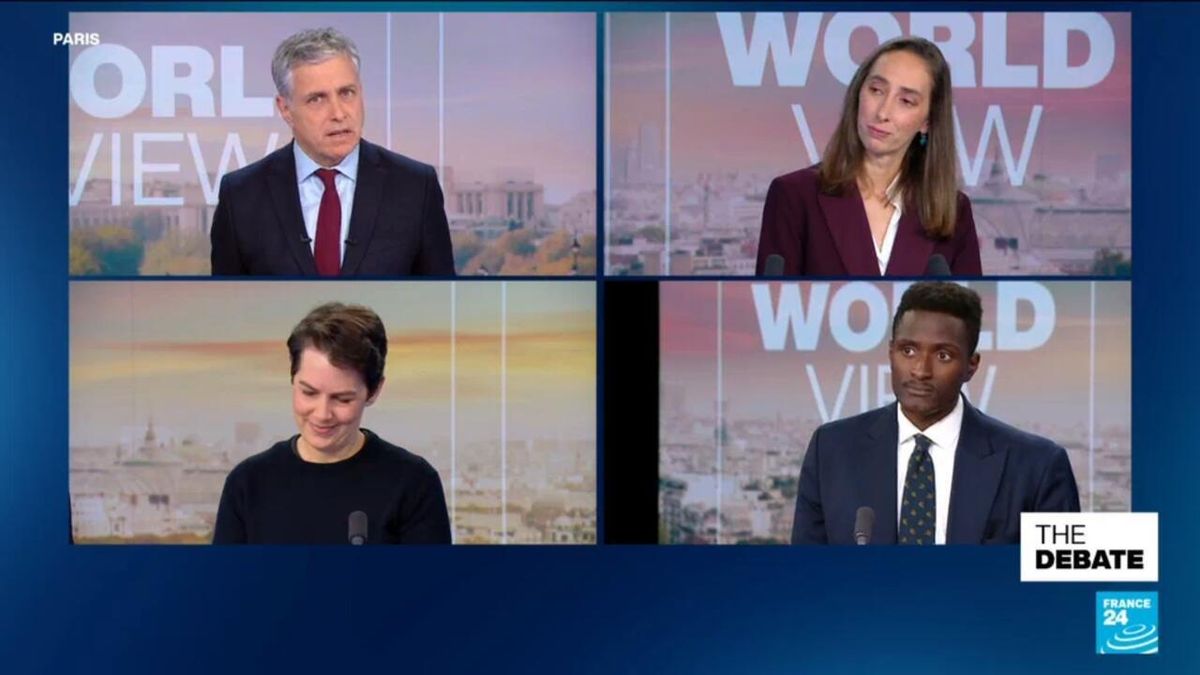
The recent murder of 11-year-old Lyhanna in France has sent shockwaves across the country, sparking widespread outrage and calls for reform. The case has exposed systemic failures in the country's judicial system, highlighting the need for a more effective approach to tackling child abuse.
The suspect in Lyhanna's murder, a 41-year-old man, had previously been flagged for suspected paedophile crimes on two occasions but was never questioned. This raises serious questions about the effectiveness of France's child protection mechanisms and the need for greater coordination between law enforcement agencies.
The Lyhanna case is not an isolated incident. In recent months, France has been rocked by a series of high-profile child abuse cases, including the trial of a doctor who abused patients over a period of decades and the suspension of dozens of after-school staff who were the subjects of complaints. The government's response to these cases has been criticized for being inadequate, with many calling for greater accountability and transparency.
In the wake of the Lyhanna case, the government has unveiled a string of proposals aimed at tackling child abuse, including life sentences for certain sex offenders. However, these proposals have been met with skepticism by many, who argue that they do not go far enough in addressing the root causes of the problem.
One of the key challenges facing France's judicial system is a lack of resources. The country's gendarmerie reports that four minors per hour lodge sex offense complaints, placing a significant burden on an already overstretched system. This highlights the need for greater investment in child protection services and a more effective approach to tackling the caseload.
The Lyhanna case has significant regional implications, highlighting the need for greater cooperation between European countries in tackling child abuse. The case also raises questions about the effectiveness of France's relationships with its European partners and the need for greater coordination in tackling cross-border child abuse cases.
The Lyhanna case has significant future consequences, highlighting the need for a more effective approach to tackling child abuse in France. The case also raises questions about the government's ability to respond to crises and the need for greater accountability and transparency.
The Lyhanna case is a wake-up call for France, highlighting the need for a more effective approach to tackling child abuse. The case raises serious questions about the government's handling of child abuse cases and the need for greater accountability and transparency. It also highlights the need for greater investment in child protection services and a more effective approach to tackling the caseload. Ultimately, the Lyhanna case is a catalyst for change, highlighting the need for a more effective approach to tackling child abuse in France and beyond.
Editor's Note: While the government's proposals are a step in the right direction, the effectiveness of these proposals remains to be seen.
Source referenced: FRANCE24
This brief was synthesized by our Editorial Engine and reviewed by The Ground Narrative team.


