TRENDING

Friday, 16 October 2026
----------------------
5 Jumada Al-Awwal 1448 AH
FIFA's decision to sell pieces of the World Cup final stadium pitch has sparked controversy, but what are the underlying strategic motivations behind this move? We analyze the implications of this decision on FIFA's financials, regional politics, and the future of international football.
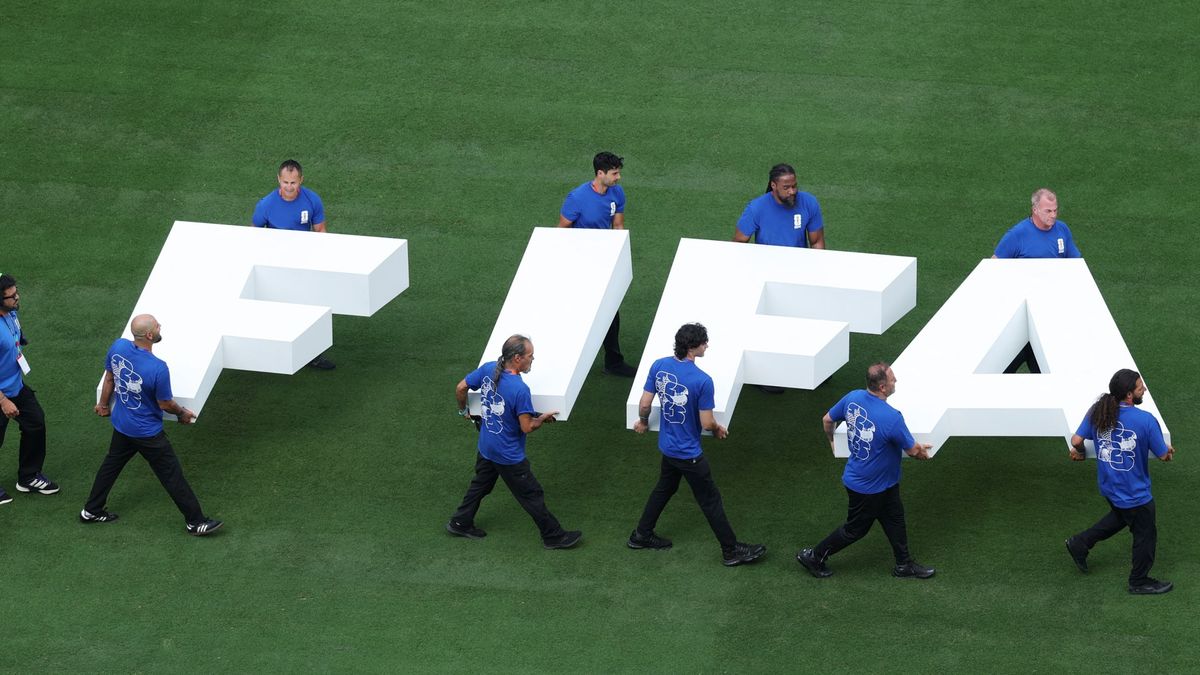
FIFA's announcement to sell pieces of the World Cup final stadium pitch has sent shockwaves through the football community. The governing body is hoping to make millions from the sale, with each piece starting at $450 and the highest-priced tier costing a staggering $3,000. But what drives this decision, and what are the strategic implications for FIFA's financials?
The sale of World Cup final turf is a clever move by FIFA to capitalize on the tournament's massive global appeal. By selling pieces of the pitch, FIFA is creating a new revenue stream that complements its existing ticket sales and merchandise. This move is likely to generate significant revenue, with estimates suggesting that FIFA could earn over $11 million from the sale.
The sale of World Cup final turf also raises questions about the quality of the pitch and the implications for regional politics. The New Jersey New York Stadium, which usually hosts NFL games, has been criticized for its artificial surface. FIFA's decision to install new turf fields at all World Cup venues, including those with artificial surfaces, has been seen as a compromise between quality and cost.
The sale of World Cup final turf may also have implications for the future of international football. As the sport continues to grow in popularity, FIFA will need to adapt to changing consumer demands and preferences. The sale of World Cup final turf could be seen as a way for FIFA to connect with fans and create a new sense of ownership and engagement.
The sale of World Cup final turf is not an isolated incident. FIFA has been accused of charging high prices for this year's tournament in the United States. The governing body's decision to sell pieces of the pitch is likely a response to these criticisms and a attempt to justify the high costs associated with hosting the tournament.
In the context of regional politics, the sale of World Cup final turf may also be seen as a way for FIFA to assert its influence and control over the sport. By creating a new revenue stream, FIFA is able to exert its power and influence over the football community.
The sale of World Cup final turf is a strategic move by FIFA to capitalize on the tournament's global appeal and generate significant revenue. While the decision has sparked controversy, it is likely a response to criticisms of high ticket prices and a attempt to justify the costs associated with hosting the tournament. As the sport continues to grow in popularity, FIFA will need to adapt to changing consumer demands and preferences. The sale of World Cup final turf may be seen as a way for FIFA to connect with fans and create a new sense of ownership and engagement.
The sale of World Cup final turf may have significant consequences for the future of international football. As the sport continues to grow in popularity, FIFA will need to adapt to changing consumer demands and preferences. The sale of World Cup final turf could be seen as a way for FIFA to connect with fans and create a new sense of ownership and engagement.
Editor's Note: This analysis is based on publicly available information and may not reflect the full range of strategic motivations behind FIFA's decision.
Source referenced: ALJAZEERA
This brief was synthesized by our Editorial Engine and reviewed by The Ground Narrative team.