TRENDING

Monday, 26 October 2026
----------------------
15 Jumada Al-Awwal 1448 AH
FIFA's decision to issue World Cup accreditation to Christophe Gleizes, a French journalist detained in Algeria, sends a strong message of support for press freedom and highlights the complexities of the journalist's case.
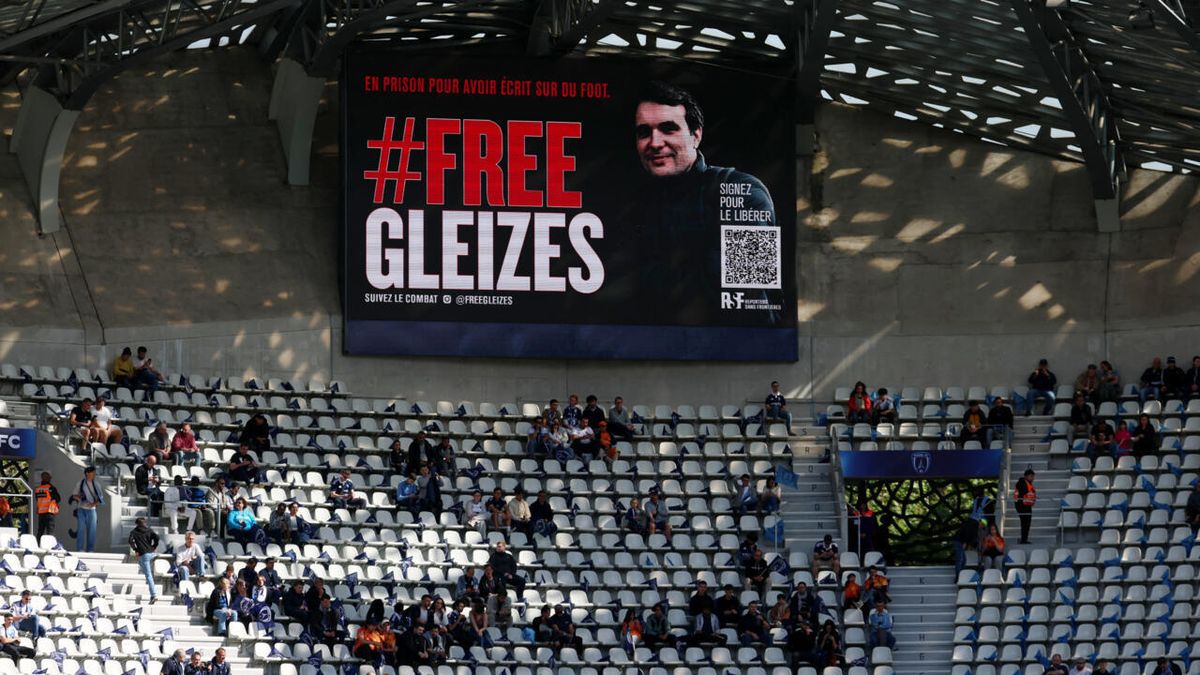
The 2026 World Cup has kicked off with a poignant reminder of the challenges faced by journalists worldwide. FIFA's decision to issue World Cup accreditation to Christophe Gleizes, a French journalist detained in Algeria, is a powerful gesture of support for press freedom. The accreditation, which authorizes Gleizes to cover the entire tournament, is a significant move that underscores FIFA's commitment to upholding the rights of journalists.
Christophe Gleizes, a 37-year-old freelance reporter, was arrested in May 2024 while traveling to northeastern Algeria's Kabylie region to write about the country's most decorated football club, JSK. He was sentenced to seven years in prison for "glorifying terrorism" after being convicted of having contact with members of the Movement for the Self-Determination of Kabylie (MAK), a foreign-based group designated as a terrorist organization by Algiers.
The case of Christophe Gleizes has significant regional implications, particularly in the context of the World Cup. The tournament, held in the United States, Canada, and Mexico, is a major global event that brings together nations from across the world. The presence of a detained journalist from a participating country highlights the complexities of the case and the need for a nuanced understanding of the regional dynamics at play.
FIFA's decision to issue accreditation to Gleizes can be seen as a strategic move to demonstrate its commitment to press freedom. By doing so, FIFA is sending a message to the Algerian government and other participating countries that it values the rights of journalists and will not compromise on these principles. This move is also likely to be seen as a gesture of goodwill towards France, a key player in the World Cup and a country that has been critical of Algeria's human rights record.
The consequences of FIFA's decision will be closely watched in the coming weeks and months. If Gleizes is pardoned or released from prison, it will be seen as a major victory for press freedom and a testament to the power of international pressure. However, if the situation remains unchanged, it will highlight the challenges faced by journalists in Algeria and the need for continued advocacy and support.
FIFA's decision to issue World Cup accreditation to Christophe Gleizes is a significant move that sends a powerful message of support for press freedom. The case of Christophe Gleizes highlights the complexities of the journalist's situation and the need for a nuanced understanding of the regional dynamics at play. As the World Cup continues, the situation will be closely watched, and the consequences of FIFA's decision will be closely monitored.
Editor's Note: The situation remains uncertain, and the outcome of the case will depend on various factors, including the Algerian government's response and the continued advocacy of international organizations.
Source referenced: FRANCE24
This brief was synthesized by our Editorial Engine and reviewed by The Ground Narrative team.